Beyond the ratings: How review tools quietly protect what matters most
Life moves fast — between work, family, and personal dreams, we rarely stop to think about how one simple habit could be shielding us from stress, wasted money, or broken trust. I didn’t either — until I realized that checking reviews wasn’t just about picking the right blender. It became a quiet system for protecting my time, my budget, and even my peace of mind. This is how smart review habits quietly became my most trusted defense in daily life. What started as a quick scroll before hitting 'buy now' turned into something deeper: a way to feel more in control, more protected, and more confident in the choices I make every day.
The Moment I Realized Reviews Were About More Than Products
It was 11:37 p.m. when I clicked 'purchase' on a sleek-looking air fryer I’d seen all over social media. The ad showed golden fries, crispy chicken, and a smiling mom serving dinner while her kids cheered. It looked like magic. The price was low, the photos were perfect, and it had thousands of five-star ratings. What could go wrong? A week later, the box arrived. I unboxed it with excitement, plugged it in, and within minutes, smoke curled from the side. Not burnt food smoke — electrical smoke. I yanked the plug, heart pounding, and called customer service. No answer. No return label. No help.
That’s when I dove into the reviews — really read them, not just skimmed the stars. Buried beneath the glowing praise were dozens of comments: 'Stopped working after three uses,' 'Smells like burning plastic,' 'Do not leave unattended.' One user even posted a photo of a charred corner. How had I missed this? Because I hadn’t looked closely. That moment changed everything. I realized reviews weren’t just about whether a product worked — they were about whether it was safe, reliable, and honest. They weren’t just feedback; they were warnings. And in that instant, I saw my late-night habit in a new light. It wasn’t just about getting a good deal. It was about protecting my home, my family, and my sanity.
This wasn’t just a faulty appliance. It was a wake-up call. The internet is full of polished images and clever marketing, but real people — people like me — leave traces of truth in their reviews. They share what went wrong, what surprised them, what kept their kids safe or ruined their weekend. And when we take a few minutes to listen, we’re not just shopping smarter. We’re building a quiet wall of protection around the things we value most.
How Reading Reviews Became My First Line of Defense
Now, checking reviews isn’t something I do only when I’m buying a big-ticket item. It’s part of my daily rhythm — like brushing my teeth or setting the alarm. Before I book a cleaning service, I read reviews. Before I try a new meal kit delivery, I read reviews. Even when my daughter needs new school supplies, I peek at what other parents are saying. It’s not because I’m skeptical. It’s because I’ve learned that real experiences matter more than glossy ads.
Think about it: algorithms show us what they want us to buy. Ads are designed to make us feel excited, not informed. But reviews? They’re raw, unfiltered, and often painfully honest. That’s why they’re so powerful. A friend once told me, 'I don’t trust the five-star reviews — I trust the three-star ones.' And she’s right. The three-star reviews tell the full story. They say things like, 'It works, but the instructions are confusing,' or 'Great quality, but it took two weeks to arrive.' That’s the kind of detail that helps me decide — not just whether to buy, but whether this choice fits my life.
This habit has saved me more times than I can count. Once, I almost hired a handyman with a professional-looking website and great photos. But the reviews told a different story: 'Never showed up,' 'Overcharged by 200%,' 'Left tools in my backyard.' I closed the tab and kept looking. Another time, I was about to order a popular baby monitor — until I saw multiple parents warning about weak signal strength and poor night vision. One wrote, 'I thought my baby was crying, but the video froze for five minutes. I ran into the room terrified.' That was enough for me. I switched to a different brand with consistent praise for reliability.
These aren’t just small savings. They’re protection. Protection from stress, from wasted time, from putting my family at risk. And the best part? It costs nothing. No subscription, no special tool — just a few minutes of attention. In a world that moves fast and often feels out of control, this small act gives me a sense of power. I’m not just reacting to what’s offered. I’m choosing with intention.
Protecting What Money Can’t Replace: Time and Peace of Mind
We all know money is important. But let’s be honest — what we really can’t afford to lose is time and peace of mind. A $50 mistake stings, but a $50 gadget that fails after two days? That’s not just a financial loss. It’s hours spent returning it, reordering, explaining to the kids why the new toy isn’t working, or dealing with the frustration of a broken promise. That’s the hidden cost — the emotional tax we pay when things go wrong.
I learned this the hard way with a smart speaker I bought for my kitchen. The ad said it lasted ten hours on a single charge. The reviews? Mixed. Some said great, others said 'dies by lunchtime.' I ignored the warnings because I loved the color. Big mistake. On the second day, it shut off in the middle of a recipe I was following. I had to stop, plug it in, wait, restart — and by then, I’d lost my rhythm. That small frustration snowballed. I was late to pick up my son. I snapped at my partner over dinner. All because a device I trusted let me down.
Now, I pay close attention to phrases like 'stopped working after a week' or 'broke during normal use.' These aren’t just complaints — they’re red flags. And I’ve learned to look for patterns. If three, four, or five people say the same thing, it’s not a fluke. It’s a flaw. One time, I was considering a popular vacuum robot. The photos showed it gliding under furniture, cleaning pet hair effortlessly. But the recent reviews told a different story: 'Gets stuck under the couch,' 'Can’t handle long hair,' 'My dog ate a piece that fell off.' I paused. My daughter has long hair. My neighbor has a curious puppy. That wasn’t just a product issue — it was a potential hazard.
By taking ten minutes to read carefully, I avoided not just a bad purchase, but a chain reaction of stress. No returns. No frustration. No safety scare. That’s the real value. It’s not about perfection — it’s about prevention. And when you’re juggling work, family, and your own well-being, prevention is everything. It’s the difference between a smooth evening and a chaotic one. Between calm and crisis. Between feeling like you’ve got it together and feeling like everything’s falling apart.
Teaching My Teen to Read Between the Lines Online
Last summer, my daughter wanted to buy a pair of wireless earbuds she saw on a teen influencer’s video. 'Everyone’s using them!' she said. 'They’re only $30!' I didn’t say no. Instead, I sat beside her and said, 'Let’s see what real people are saying.' We opened the product page together and started reading. The top reviews were glowing — 'Best sound ever!' 'So comfortable!' But when we scrolled down, we found others: 'Battery dies in 20 minutes,' 'One earbud stopped working in a week,' 'Not waterproof like they say.'
Then we clicked on the photo reviews. That’s when it got real. One user had posted a picture of the earbud with a crack near the charging port. Another showed the case with a broken hinge. My daughter paused. 'So… they break easily?' she asked. I nodded. 'Looks like it. And see how many people mention the battery? That’s not just one person — it’s a pattern.' We kept looking. We compared prices, read about the warranty, checked if replacements were available. In the end, she decided to save a little more and get a slightly more expensive pair with better reviews and a solid return policy.
That moment wasn’t just about earbuds. It was about teaching her how to think. How to question. How to look beyond the hype. I didn’t lecture her. I didn’t say, 'Don’t trust the internet.' I showed her how to use it wisely. And that, I believe, is one of the most important gifts we can give our kids — not just money or things, but the ability to protect themselves in a world full of noise and temptation.
Now, she checks reviews on her own. She texts me sometimes: 'Mom, I found this jacket — look at these photos! Real people wearing it in the rain!' Or, 'This backpack has a lot of five stars, but three people said the zipper broke. Should I wait?' I smile every time. Because she’s not just shopping. She’s learning to make choices that honor her time, her money, and her safety. And that’s a skill that will serve her for life.
When Reviews Exposed What Advertisers Hid
Marketing is powerful. A well-shot video, a catchy slogan, a celebrity endorsement — they can make anything look amazing. But ads are designed to sell, not to inform. And that’s where reviews come in. They’re the counterbalance. The reality check. The moment I realized this was when I bought a 'non-toxic' kids’ art set for my nephew’s birthday.
The packaging said 'eco-friendly,' 'safe for ages 3+,' and 'made with plant-based materials.' It looked perfect. But in the reviews, parents were warning: 'Smells like chemicals,' 'My daughter got a rash after using it,' 'Not washable — stained her clothes permanently.' One mom even wrote, 'I called the company, and they admitted it only contains 15% plant-based material. The rest is plastic.' I was stunned. That wasn’t just misleading — it was dishonest. And if I hadn’t read those reviews, I would have given that set to a child who could have gotten hurt.
That experience opened my eyes. Now, I pay attention to what people say about safety, not just performance. For example, I was considering a popular space heater for my basement. The ad showed a cozy family, warm smiles, soft light. But the reviews? 'Overheats quickly,' 'No automatic shut-off,' 'I unplugged it after an hour — it felt too hot.' One person even said, 'I wouldn’t leave this on while sleeping.' That was enough for me. I kept looking and found a model with consistent praise for safety features like tip-over protection and overheat sensors.
These aren’t just isolated complaints. They’re early warnings. And when we listen, we protect more than our wallets. We protect our homes. Our kids. Our peace. In a world where companies can say almost anything in ads, real user reviews are one of the few places where truth still lives. They’re not perfect — some are emotional, some are unfair — but taken together, they form a picture that’s far more honest than any commercial.
Building a Personal Review Checklist That Works for Me
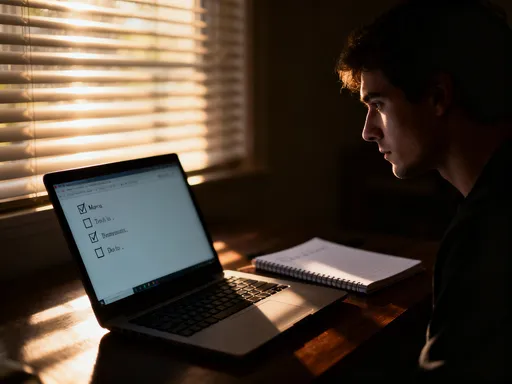
Over time, I realized I wasn’t just reading reviews — I was learning how to read them better. I developed a simple system, nothing fancy, just a few habits that help me cut through the noise. First, I sort by 'most recent.' Why? Because a product can change over time. A gadget made six months ago might have different materials or quality control than one made today. Old reviews are helpful, but recent ones tell me what’s happening now.
Next, I look for photo and video reviews. A picture is worth a thousand words — especially when it shows a broken zipper, a stained shirt, or a device that doesn’t fit in the advertised space. I remember once looking at a compact washing machine for small apartments. The product photos made it look sleek and efficient. But a user video showed it vibrating so hard it moved across the floor. That’s something no ad would ever show.
Then, I watch for patterns. One bad review doesn’t scare me — everyone has a bad day. But if multiple people say the same thing — 'short battery life,' 'hard to assemble,' 'smells like chemicals' — I pay attention. That’s not a glitch. That’s a design flaw. I also skip reviews that sound too perfect. 'Absolutely life-changing!' 'Best product ever!' 'No flaws at all!' Those feel scripted. I trust the ones that say, 'I like it, but…' or 'It works well, except…' Those feel real.
Finally, I check the seller’s response. Do they reply to complaints? Do they offer help, replacements, or refunds? A company that engages with unhappy customers tells me they care. One that ignores them? That’s a red flag. This checklist isn’t about being paranoid. It’s about being prepared. It’s about making choices that align with my values — safety, reliability, honesty — not just price or looks.
Why This Small Habit Strengthens My Confidence Every Day
At the end of the day, checking reviews has become more than a shopping tool. It’s a form of self-respect. It’s me saying, 'My time matters. My family’s safety matters. My peace of mind matters.' In a world that often makes us feel rushed, overwhelmed, and powerless, this small act gives me a sense of control. I’m not just going with the flow. I’m making thoughtful choices.
And that confidence spills over into other areas of my life. When I trust my decisions, I’m calmer. When I avoid preventable problems, I have more energy for what really matters — my kids, my relationships, my own well-being. This habit didn’t change my life in a dramatic way. There was no big moment, no headline. But quietly, steadily, it’s made my days smoother, safer, and more peaceful.
I used to think technology was about big gadgets and fast internet. Now I see it differently. Technology is also about the small tools that help us live better — like the ability to read what real people have to say before we make a choice. It’s not flashy. It’s not loud. But it’s powerful. And in its own quiet way, it’s helping me protect what matters most.