What If Your Design App Could Secretly Protect You?
Have you ever shared a creative project and later wondered who might have seen it? Or saved a draft, only to realize it contained personal details you didn’t mean to leave behind? You’re not alone. In a world where we pour our ideas, emotions, and even private thoughts into digital tools, security often feels like an afterthought—until something goes wrong. But what if the apps we use to express ourselves could also quietly safeguard us? We trust creative design tools with our boldest ideas and deepest thoughts. Yet few of us realize these apps can also protect our privacy in ways we never expected. From hidden data safeguards to smart permissions that block unwanted access, the features we overlook might be the ones that keep us safest. This isn’t about complex settings or tech jargon—it’s about real, everyday peace of mind built into the tools you already love and use.
The Moment Everything Changed: A Personal Wake-Up Call
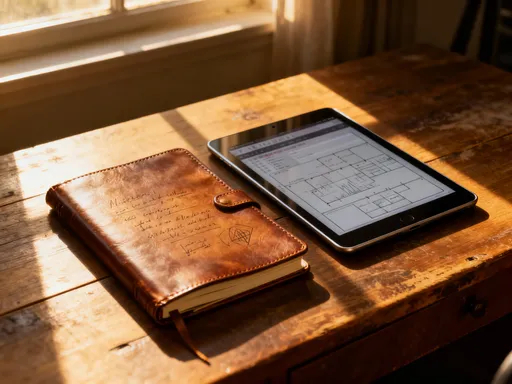
I remember the exact moment I realized my design app knew more about me than I was comfortable with. I was putting together a simple home renovation mood board—just colors, textures, and layout ideas. Nothing too personal, or so I thought. But when I accidentally shared the file with the wrong person, I didn’t just expose my taste in tile choices. Buried in the metadata—information saved behind the scenes—was my full home address, the names of my contractor and interior designer, even notes about our family’s future plans. My stomach dropped. I hadn’t meant to share any of that. That moment was my wake-up call: our creative tools aren’t just blank canvases. They quietly collect pieces of our lives, and if we’re not careful, those pieces can fall into the wrong hands.
It’s easy to forget that every photo we upload, every note we jot, every saved version of a project carries traces of our real lives. We don’t think twice about labeling a file “Kitchen Remodel – Budget Notes” or adding a voice memo about our child’s favorite color for their bedroom. But those small, thoughtful details? They’re data. And while most of us focus on making our designs beautiful, we rarely stop to ask: who else might be able to see this? That’s the thing about digital creativity—it’s deeply personal, even when it doesn’t feel like it. And once something is out there, even for a second, it can be hard to take back. That’s why understanding how our apps protect us isn’t just a tech issue. It’s a part of protecting our privacy, our families, and our peace of mind.
More Than Just Pretty Tools: What We Ask of Our Design Apps
Let’s be honest—our design apps do way more than help us make pretty graphics. For many of us, they’ve become trusted companions in everyday life. We use them to plan birthday parties, redesign our gardens, sketch out new business ideas, or create custom gifts for loved ones. I’ve used mine to map out a surprise anniversary trip, design a family recipe book, and even draft a speech for my daughter’s graduation. These aren’t just creative projects—they’re pieces of our stories. And the apps we use to bring them to life? They hold more than fonts and filters. They hold our schedules, our dreams, our addresses, and sometimes, our insecurities.
Think about it: when you’re designing a new home office layout, your app might store the dimensions of your spare room, the name of your internet provider, and even your preferred furniture brands. If you’re creating a vision board for a dream vacation, it could include flight research, hotel names, and budget spreadsheets. All of this lives inside the same space where you play with color palettes and typography. That’s why the role of a design app has quietly shifted. It’s no longer just a tool for artists or professionals. It’s a digital journal, a planner, a memory keeper, and sometimes, a confidant. And with that shift comes a bigger responsibility—not just to help us create, but to protect what we create. Because when we trust an app with our ideas, we’re also trusting it with parts of our lives.
Hidden Shields: The Security Features You’re Not Using (But Should Be)
Here’s the good news: most of the design apps we already use have built-in protections we don’t even realize are there. Take local-only saving, for example. Some apps now default to storing your files directly on your device instead of automatically uploading them to the cloud. That means if your phone or tablet is ever lost or borrowed by a curious teenager, your unfinished projects stay private. It’s like keeping your sketchbook locked in a drawer instead of leaving it open on the kitchen table. Another quiet guardian is on-device processing. This means the app does its work—like resizing images or applying filters—right on your phone or laptop, without sending your data to a remote server. No upload, no risk of interception. It’s a small detail, but it makes a big difference.
Then there are permission controls—those little settings that ask if an app can access your camera, microphone, or location. Most of us tap “Allow” without thinking, but these choices matter. A design app doesn’t need your location to let you draw a logo, right? By reviewing and adjusting these permissions, you’re deciding what parts of your life the app gets to see. Some apps even let you blur or remove metadata—those hidden details like timestamps, GPS coordinates, or device names—before you share anything. Imagine sending a photo of your backyard garden design without revealing exactly where your house is. These features aren’t flashy, but they’re powerful. And the best part? They don’t slow you down. They work quietly in the background, like a good neighbor who keeps an eye on your house while you’re away.
Smart Defaults That Actually Care About You
One of the most comforting changes in recent years is how many apps now come with privacy-friendly settings already turned on. Remember when you had to dig through ten menus just to stop a file from auto-syncing to the cloud? Those days are fading. More and more, design tools are being built with the understanding that most of us don’t want to be tech experts—we just want to create safely, without constant worry. So now, some apps don’t upload your work unless you explicitly choose to. Others automatically blur sensitive text in shared previews—like when you’re showing a budget chart but don’t want the numbers visible to everyone.
These smart defaults reflect a deeper shift in how technology is designed. Instead of assuming users will figure things out on their own, developers are starting to ask: “What would make someone feel safe?” The answer isn’t more buttons or complex menus. It’s simplicity. It’s peace of mind built in from the start. Think of it like a car with automatic seatbelts—no effort required, but you’re protected the moment you sit down. When an app respects your privacy by default, it’s not just being responsible. It’s showing care. And for busy women juggling work, family, and personal dreams, that kind of thoughtful design feels like a small act of kindness. You don’t have to remember every setting. You don’t have to stay one step ahead of potential risks. The app does some of that work for you, so you can focus on what really matters—your creativity.
Sharing Without Risk: How New Tools Keep Collaboration Safe
We don’t create in a vacuum. Whether it’s showing a logo idea to a small business partner, sharing a party invitation design with a co-host, or sending a gift idea to a sibling, sharing is part of the creative process. But it doesn’t have to mean giving up control. Modern design apps now offer smarter ways to collaborate—ways that let you stay in charge. Take temporary links, for example. Instead of sending a file that lives forever in someone’s inbox, you can generate a link that expires in 24 hours or after it’s been viewed a certain number of times. It’s perfect for quick feedback without leaving a permanent digital trail.
Then there’s view-only mode. This lets someone see your project without being able to edit or download it. I used this recently when sharing a surprise wedding anniversary album with my sister—she could enjoy the photos and layout, but couldn’t accidentally (or intentionally) change a single thing. Some apps even let you password-protect shared files, adding an extra layer of security. And if you’re working with a contractor on a home project, you can share specific pages or sections without giving access to your entire library. These tools don’t just protect your files—they protect your intentions. They let you connect, collaborate, and celebrate without that nagging worry: “Did I just give someone access to more than I meant to?” With these features, sharing becomes something joyful again, not something to stress over.
Learning as You Create: Design Apps That Grow With You
Here’s something truly exciting: some design apps are starting to learn from your habits and offer gentle, timely reminders to keep you safe. Imagine this: you’re working on a project late at night, using a public library computer. As you go to save your file to the cloud, a small message pops up: “This device isn’t signed into your account. Are you sure you want to save this here?” It’s not scolding you. It’s just looking out for you. These intelligent nudges are powered by simple AI that recognizes patterns—like when you’re using an unfamiliar device, accessing sensitive files, or saving something with personal keywords like “budget,” “passport,” or “medical.”
Think of it like a thoughtful friend who notices you left your coat unzipped in the cold and quietly says, “Hey, you might want to zip up.” These aren’t alarms or warnings that make you feel guilty. They’re supportive prompts that help you stay aware. Over time, the app learns when you’re most active, what kinds of files you consider private, and even how you prefer to share. The more you use it, the better it gets at protecting you—without getting in your way. For women who wear so many hats, this kind of quiet support can be a game-changer. It’s not about replacing your judgment. It’s about giving you a little extra backup when life gets busy and your attention is pulled in ten different directions.
Why This Matters for Your Daily Peace of Mind
At the end of the day, all of this comes down to one thing: how safe you feel when you’re being creative. Because when you know your ideas are protected, you’re freer to explore them. You can brainstorm without holding back. You can journal through design, map out dreams, or process emotions—knowing that your space is truly yours. That sense of security isn’t just about avoiding leaks or data breaches. It’s about emotional safety. It’s about having the confidence to be yourself, to experiment, to make mistakes, all within a space that respects your privacy.
For so many of us, creativity is a form of self-care. It’s how we recharge, how we express love, how we plan for the future. And when technology supports that without adding stress, it becomes more than a tool—it becomes a partner. The best design apps don’t just help you make something beautiful. They help you feel calm, capable, and in control. They remove the invisible weight of “what if someone sees this?” so you can focus on the joy of creating. That’s the real gift of thoughtful tech—not just efficiency, but freedom. The freedom to create openly, honestly, and without fear.
Your Creativity Deserves Protection
True innovation in design tools isn’t just about faster rendering, more filters, or AI-generated art. It’s about trust. It’s about knowing that the space where you dream, plan, and create is also a space that looks out for you. The quiet features—local saving, smart permissions, private sharing, thoughtful defaults—are the ones that make the biggest difference over time. They’re not the ones that get demoed at tech conferences, but they’re the ones that protect your family’s plans, your personal goals, and your peace of mind.
So the next time you open your favorite design app, take a quiet moment to appreciate it—not just for what it helps you create, but for how it quietly safeguards you while you do. Because your creativity isn’t just about what you make. It’s about who you are. And that deserves to be protected with care, intelligence, and respect. In a world that often feels overwhelming, having a digital space where you can breathe, imagine, and create—safely—is one of the most valuable things you can have. And the best part? You don’t need to be a tech expert to benefit from it. You just need to know it’s there, working for you, every time you open that blank canvas and begin to dream.