Stop saying 'I’ll deal with it later' about returns: How I simplified my mornings with smart exchange tools
Mornings used to stress me out—coffee in one hand, a pile of return boxes in the other, and a sinking feeling I’d forget another deadline. I wasn’t lazy, just overwhelmed. Then I discovered how a few simple tech tools could turn my chaotic return routine into a calm, five-minute morning win. It’s not about buying more gadgets—it’s about working with what you already use, every day, to make life feel lighter. Now, instead of racing against the clock, I walk out the door with a clear mind and an empty return basket. And honestly? That small shift changed everything.
The Morning Chaos No One Talks About
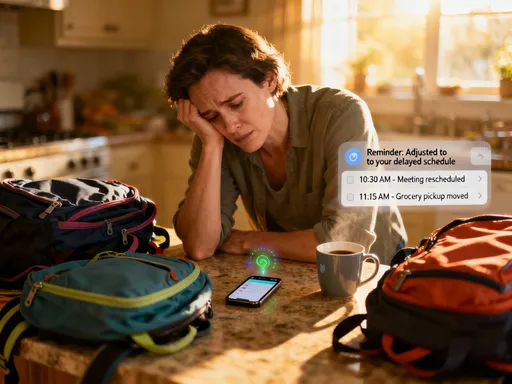
Let’s be real—mornings are hard. You’re trying to get yourself dressed, pack lunches, check homework, and maybe squeeze in a few deep breaths before the day begins. The last thing you need is to remember that you still haven’t returned last week’s online order. But that’s exactly what used to happen to me, over and over. I’d spot a box tucked behind the laundry basket or see a crumpled return label on the kitchen counter and feel that familiar pang of guilt. Not because I didn’t care, but because I was already juggling so much.
I used to think I was just bad at follow-through. Maybe you’ve felt that way too. Like you’re the kind of person who means well but gets sidetracked. But here’s what I’ve learned: it’s not about character. It’s about systems. When small tasks like returns don’t have a clear, easy path, they pile up—physically and mentally. I had boxes stacked by the door, labels floating in my inbox, and receipts tucked into random notebooks. Every time I saw them, I felt a tiny bit more frazzled. And by the time I finally dealt with one, I was already behind on three others.
Then one morning, I missed a return deadline for a pair of shoes I never even wore. The store wouldn’t accept them back. That’s when I realized: this wasn’t just about the shoes. It was about the pattern. I was letting little things erode my sense of control. I didn’t need more willpower. I needed a smarter way to handle returns—one that fit into my real life, not some perfect version of it.
How Small Tasks Create Big Mental Loads
You wouldn’t think returning a scarf could weigh on your mind. But here’s the truth: every unfinished task, no matter how small, takes up space in your brain. Psychologists call it “cognitive load”—the mental energy it takes to remember, decide, and act. And when you’re already managing a household, a job, or both, that load adds up fast. I started paying attention to how often I thought about returns during my day. It wasn’t just in the morning. I’d remember them while folding laundry, waiting in the school pickup line, even during a quiet moment before bed.
What surprised me most was how much decision fatigue came with it. Do I print the label now? Should I drop it off today or tomorrow? Did I save the receipt? These aren’t big decisions, but they’re constant. And each one chips away at your focus. I read a study once that said the average person makes over 35,000 decisions a day. Most are tiny—what to wear, what to eat, which route to take. But when even small tasks like returns require extra mental effort, you start the day already drained.
That’s when I realized simplifying returns wasn’t just about getting boxes out the door. It was about freeing up mental space. I wanted to start my mornings with clarity, not clutter. I didn’t want to waste energy remembering what I needed to do. I wanted to feel calm, capable, and in control. And the only way to get there was to build a system that worked for me—not against me.
Meet the Apps That Work While You Sleep
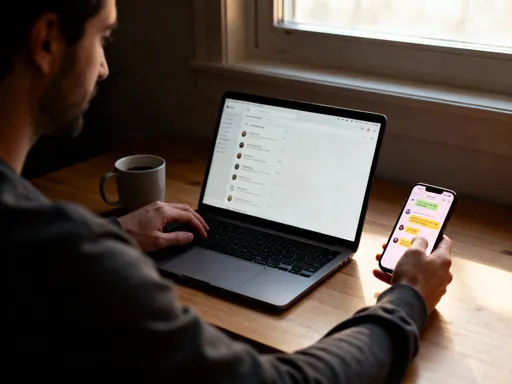
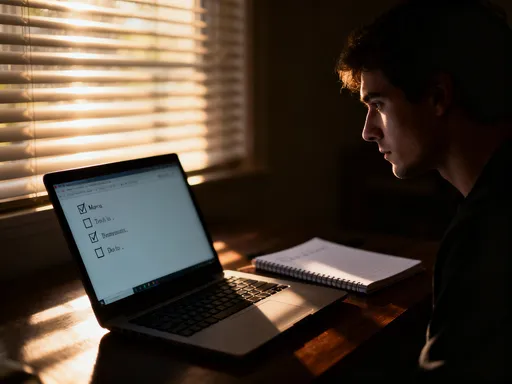
I’ll admit, I was skeptical at first. I’ve tried plenty of “life-changing” apps that just added more steps to my routine. But the ones that helped me weren’t flashy or complicated. They were simple, quiet, and—most importantly—automated. The first one I tried scans my email for return confirmations. As soon as I get a return label, it shows up in the app. No more digging through inboxes. No more losing track of deadlines. The app even lets me schedule a courier pickup with one tap. I can do it while I’m brushing my teeth, and by the time I’m dressed, it’s done.
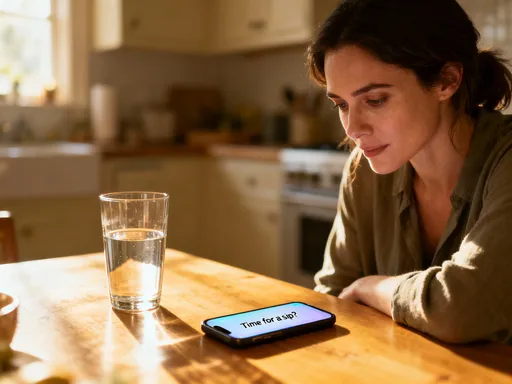
Another app syncs with my calendar. If I have a pickup scheduled, it sends a gentle reminder during my morning coffee. Not a loud alarm—just a soft nudge. It feels like a friend checking in, not a taskmaster demanding attention. These tools don’t replace me. They support me. They use information I already create—emails, receipts, calendar events—and turn them into action without extra effort.
And here’s the best part: they work even when I’m not thinking about them. While I’m sleeping, the app is tracking deadlines. While I’m helping my kids with breakfast, it’s preparing my return schedule. It’s not magic. It’s smart design. Technology at its best doesn’t ask you to change your life. It fits into it, quietly making things easier. I didn’t have to learn a new system or download five different apps. I just started using one that already understood my rhythm.
Turning Your Morning Walk Into a Return Routine
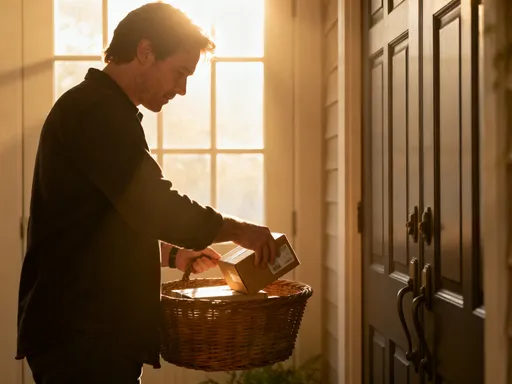
I live about ten minutes from a drop-off hub, but I used to forget to go all the time. Even when I remembered, I’d end up rushing, stressed, and late. Now, I’ve made it part of my morning walk. Every night, I toss anything I want to return into a small basket by the door. It’s labeled “Ready to Return,” and it lives right next to my keys and coat. In the morning, grabbing it feels natural—like putting on my shoes or grabbing my water bottle.
Some apps even send a notification when I’m near a drop-off point. It’s not pushy. It’s helpful. “Hey, you’re walking past the hub—want to drop off your package?” It turns a chore into a moment of satisfaction. I don’t dread it. I look forward to it. That five-minute walk used to feel like another task on my list. Now, it feels like a win. I’m moving my body, getting fresh air, and clearing something off my plate—all before 8 a.m.
The key was making it effortless. I didn’t try to overhaul my entire routine. I just attached the return habit to something I was already doing—leaving the house. And because the app handles the details, I don’t have to remember anything. No printing, no labeling, no last-minute panic. It’s not about being more disciplined. It’s about designing a system where the right thing is also the easy thing.
How Simplicity Builds Confidence, Not Clutter
Here’s something I didn’t expect: every time I complete a return without stress, I feel a little more capable. It’s not just about the package leaving the house. It’s about proving to myself that I can follow through. That I can trust my system—and myself. That small sense of accomplishment ripples out. I make decisions faster. I tidy up more often. I even feel more put-together because my closet isn’t stuffed with things I don’t wear.
Clutter—whether physical or mental—makes us feel stuck. But clearing it, even in small ways, creates momentum. I started noticing that when I returned one item easily, I wanted to return another. And another. It became less about the returns and more about the feeling: lightness. Freedom. Control. These tools didn’t just help me send back a sweater. They helped me feel like I was in charge of my life again.
And that confidence shows up in unexpected places. I speak up more at meetings. I say no when I need to. I take better care of myself because I’m not constantly playing catch-up. It’s amazing how much energy we waste on background stress. When you remove even a little of it, you have more room to breathe, to think, to be present. Life doesn’t have to be perfect. It just has to feel manageable. And for me, that starts with a clear counter and a quiet mind.
Sharing the System With My Household
At first, I kept the app to myself. I thought, “I’ll handle the returns. No need to involve everyone.” But then I realized—I wasn’t saving time. I was just shouldering the load alone. So I showed my partner how the app works. I walked him through how to add a return, how to schedule a pickup, how to use the basket by the door. Now, we share a return list. He adds things when he shops online. I add mine. We both get reminders. And we both feel good when something gets returned.
It’s eliminated so many little arguments. No more “Did you send that back?” or “Where’s the label?” We’re on the same page, literally. Even our kids got involved. They think the basket is a game—like a mini mission to help Mom and Dad. They love tossing in a shirt or a book and saying, “Another one done!” It’s become a tiny ritual of teamwork, not tension.
Technology gets a bad rap for pulling families apart. But in our house, it’s doing the opposite. It’s removing friction so we can connect more easily. When chores feel light, relationships feel lighter too. We’re not stressed about forgotten deadlines or messy corners. We’re focused on each other. And that’s worth more than any gadget.
Starting Small, Living Lighter
You don’t have to fix everything at once. I didn’t. I started with one return—the shoes I’d been avoiding. I used the app to schedule a pickup. I didn’t have to print anything. I didn’t have to drive anywhere. I just put the box in the basket, and the next morning, it was gone. And you know what? Crossing that off my list felt amazing. Not because it was hard, but because it was easy. That small win gave me the motivation to do another. And another.
Over time, these tools didn’t just change my mornings. They changed my mindset. I stopped seeing returns as a burden and started seeing them as a chance to clear space—physically, mentally, emotionally. I became more intentional about what I brought into my home. I thought twice before clicking “buy now.” Because now, I know: returning is easy, but preventing clutter is even better.
Life isn’t about doing more. It’s about making what you do feel easier. And sometimes, the smallest tech tweak brings the biggest peace. You don’t need a perfect system. You just need one that works for you. Start with one return. Use one app. Take one step. That’s how small changes grow into big transformations. And who knows? Your next calm, clutter-free morning might be just one smart tool away.