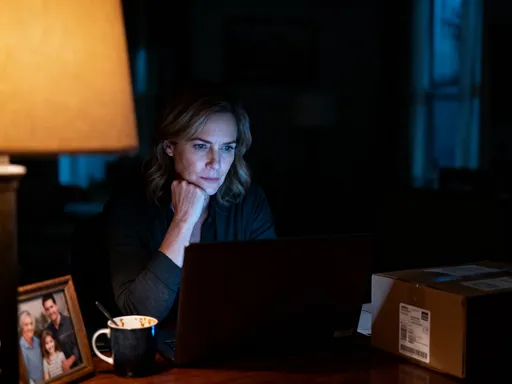
I can’t keep doing this – How a parking finder app gave me back time to care for Mom
Working from home was supposed to make life easier—more flexibility, no commute, more family time. But between back-to-back Zoom calls and trying to check on my aging mom across town, I kept wasting precious hours just hunting for parking near her place. The stress piled up… until I discovered a simple app that changed everything. It didn’t just find parking spots—it gave me back time, energy, and peace of mind. This is how technology quietly became my partner in caregiving. And if you’ve ever felt stretched too thin, juggling work and family while wondering how to do it all, this story might just feel like a breath of fresh air.
The Daily Struggle: When "Working from Home" Isn’t as Free as It Sounds
Let’s be honest—remote work sounded like a dream. No more rushing out the door, no traffic, no dry-cleaning bills from spilled coffee. I imagined more time for myself, for my family, for actually living. But what I didn’t expect was how quickly that freedom could turn into a different kind of trap. Instead of feeling lighter, I felt tethered—tied to my laptop, my inbox, my to-do list. And when you’re also caring for an aging parent, that tether starts to feel like a weight.
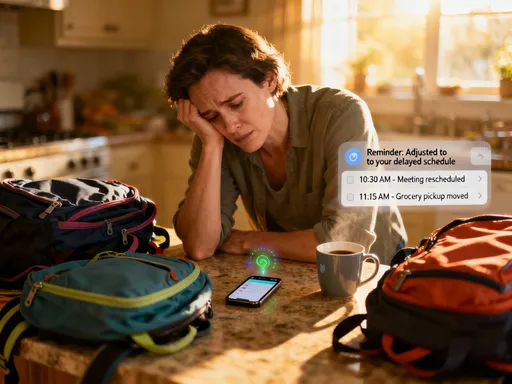
I live about 25 minutes from my mom’s apartment. That’s not far, right? But those 25 minutes became a battlefield of timing, stress, and second-guessing. I’d finish a call, glance at the clock, and think, Okay, I can make it over there, drop off her lunch, check in, and be back before my next meeting. But then I’d get stuck circling the block, three times, four times, just trying to find a single open spot. And every minute I wasted hunting for parking was a minute I couldn’t spend with her—couldn’t help her with her exercises, couldn’t hear about her morning, couldn’t just sit and be present.
It wasn’t the errand that drained me. It was the friction. The little things that never show up on a calendar but steal your time and energy anyway. Parking became this invisible tax on my caregiving. And the guilt? That was the worst part. I’d finally walk through her door, flustered and late, and see the look in her eyes—like she was sorry to be a burden. But she wasn’t. I was just running on a system that wasn’t built for real life.
A Breaking Point: “I Can’t Keep Doing This”
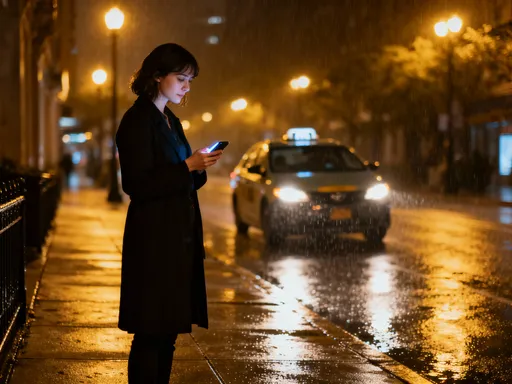
It happened on a rainy Tuesday. I had a big client presentation at 11 a.m. I planned everything perfectly: leave at 10, deliver Mom’s soup, park, check in, and be back at my desk by 10:45. But the rain made traffic slower, and by the time I got to her neighborhood, every spot was taken. I drove around for 20 minutes—wipers thumping, engine idling, my stomach in knots. I missed the first five minutes of the call. My boss gave me that look. You know the one.
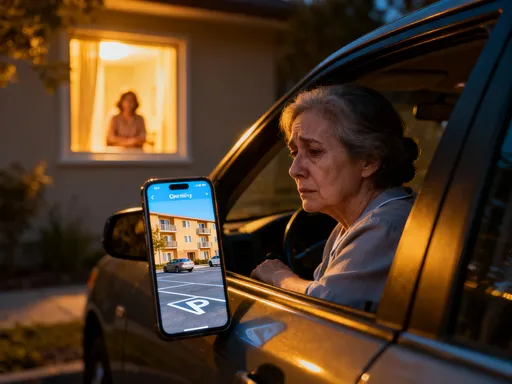
Afterward, I sat in the car, parked illegally for ten minutes just to collect myself. I called Mom to apologize for being late, and she said, "Don’t worry, honey. I’m fine. You don’t have to come every day." And that’s when I broke. Because she wasn’t fine. She needed me. And I needed to be there. But I couldn’t keep choosing between my job and my mom. I couldn’t keep failing at both.
That night, I said it out loud: "I can’t keep doing this." Not because I didn’t love her. Not because I wasn’t strong enough. But because the system wasn’t working. I needed help. Real help. And that’s when I started wondering—what if there was a tool that could take just one piece of this puzzle off my plate? What if technology could actually make life easier, not more complicated?
Enter the Parking Spot Finder: A Tiny App with a Big Impact
I wasn’t looking for a miracle. I just wanted to stop wasting time. So I started searching—"apps to find parking near me," "smart parking for cities," things like that. And that’s how I found it: a simple parking spot finder app. No flashing lights, no complicated dashboard. Just a clean map with little green dots showing real-time open spots near my destination.
It uses data from city sensors and other users who’ve parked and reported their spots. Think of it like Waze, but for parking. I opened it the next morning, typed in Mom’s address, and—there it was. A spot, just one block away, marked as available. I drove straight there. No circling. No stress. I pulled in, sent her a text: "On my way up!" And for the first time in months, I walked into her apartment calm, on time, and with both hands free.
The app doesn’t do magic. It doesn’t fold my laundry or cook dinner. But it removes one real, daily obstacle. And that changes everything. It’s not about being high-tech. It’s about being high-impact. I didn’t have to learn a new system. No tutorials, no setup fees. I just downloaded it, opened it, and it worked. That’s the kind of tech I can get behind—simple, reliable, and quietly life-changing.
More Than Convenience: How Saving 15 Minutes Changes Everything
Here’s what people don’t tell you: it’s not just the 15 minutes. It’s what those 15 minutes used to cost me. Before the app, those minutes were filled with tension—white-knuckling the wheel, watching the clock, worrying I’d be late. My blood pressure would rise. My mood would sour. And I’d walk into Mom’s place already drained.
Now? Those same 15 minutes are different. I use them to call her on the way up: "Hey Mom, I found a spot right away—be there in two minutes!" Or I take a deep breath. Or I just listen to one more song from my playlist. And when I walk in, I’m not rushing. I’m present. I have energy to help her with her stretches. Time to make her tea. Space to really talk.
And it spills over into work, too. I’m not scrambling to log back in. I’m not apologizing for being late. I’m focused. Calm. Human. That’s the ripple effect of small efficiencies. They don’t just save time—they save your mental bandwidth. They give you back the ability to care, not just cope. And isn’t that what we all want? To show up fully, not just physically, but emotionally?
Bridging Generations: Tech That Supports, Not Separates
At first, Mom didn’t get it. When I told her about the app, she said, "Oh, that’s one of those fancy phone things. I could never figure that out." But then I showed her. I pulled up the map on my phone, pointed to the green dot, and said, "See? This is where I parked today. I got here faster because of this." And she looked at me and said, "So you get to stay longer?" I said yes. And suddenly, it wasn’t about technology. It was about time. More time with her.
Now, she even asks about it. "Did you find a spot okay?" she’ll say when I call. And sometimes, we talk about other little tools—like video calls or grocery delivery apps. She’s not using them herself yet, but she’s curious. And that’s progress. Because for so long, tech felt like a wall between us—like I was living in this digital world and she was stuck in the old way. But now, it’s a bridge. It’s not replacing our connection. It’s making room for more of it.
That’s the truth about tech when it’s done right: it doesn’t isolate us. It connects us. It doesn’t make us colder. It gives us the space to be warmer, more patient, more available. And for a caregiver, that’s priceless.
Making It Work for You: How to Start Using Parking Tech Without the Hassle
If you’re thinking, "This sounds great, but I’m not tech-savvy," I get it. I was there. But here’s the good news: you don’t need to be. Most parking finder apps are designed for people like us—busy, practical, and just looking for an easier way. Here’s how to start without feeling overwhelmed.
First, check if your city supports smart parking. Big cities like Chicago, San Francisco, and Boston do. But even smaller towns are adding sensors and apps. Just search "smart parking [your city]" online. If it’s available, great. If not, some apps still use crowd-sourced data—meaning other drivers report spots, and you benefit.
Next, pick one app to try. I started with one that was free and had good reviews. No need to download five at once. Just open it, enter an address you go to often—like your mom’s place, the grocery store, or your doctor’s office—and see what it shows. You don’t even have to use it right away. Just watch it for a few days. See how accurate it is.
And if you’re sharing this with an older family member, don’t push. Just show them the benefit. Say, "This helps me get to you faster. That means I can stay longer." That’s the language that matters. Not megabytes or data plans. Just time. More time together.
You don’t have to go all in. Start small. Use it once a week. See how it feels. Build trust with the tool. And remember—you’re not replacing your care with tech. You’re using tech to care better.
The Bigger Picture: Small Tech, Big Heart
We live in a world that loves big promises—AI, robots, self-driving cars. But sometimes, the most powerful innovations aren’t the flashy ones. They’re the quiet helpers. The ones that don’t announce themselves. The ones that just… work.
This parking app didn’t win any awards. It didn’t go viral. But it gave me back something I thought I’d lost: time. Not just minutes on a clock, but moments. Moments to hold my mom’s hand. To laugh at her jokes. To sit in silence without rushing off.
And that’s the real gift of technology—not doing things for us, but enabling us to do what matters most. It’s not about replacing human effort. It’s about removing the friction so we can focus on the love. So we can be present. So we can breathe.
If you’re juggling work, family, caregiving, and everything in between, I want you to know this: you don’t need a revolution. You don’t need to do more. You just need one small thing that makes it a little easier. One app. One tool. One moment of relief.
Because sometimes, the most powerful tech isn’t the one that changes the world. It’s the one that changes your day. And in the end, that might be enough to change your life.