I just don’t have time to listen" — How podcast apps quietly changed my days
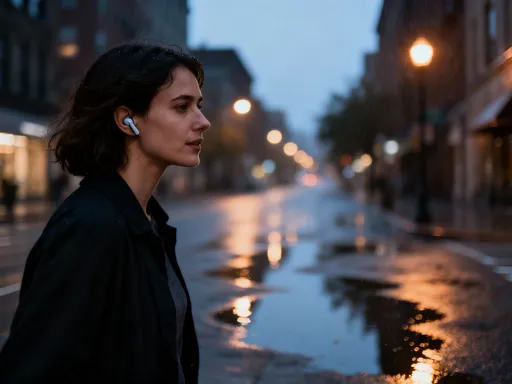
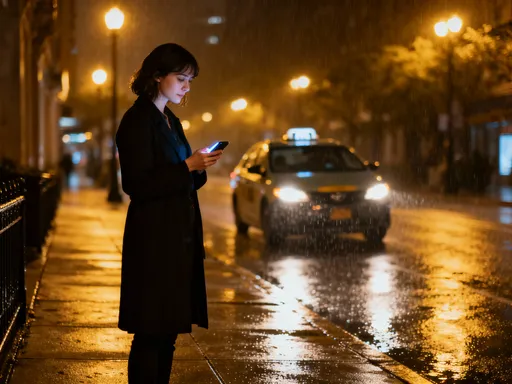
I just don’t have time to listen. That’s what I used to say, anyway. Like so many of us, I longed to feel inspired, to learn something new, to grow — but my days were already full. Between work, family, meals, and the endless loop of household tasks, there was no room. Then one rainy Tuesday, stuck on a delayed train with a dead phone battery and no book, I opened a podcast app out of desperation. What began as a distraction became a quiet revelation. I heard a voice — calm, real, thoughtful — talking about how small moments of attention can change everything. And suddenly, I wasn’t just passing time. I was being seen, heard, and gently guided. That moment didn’t change my schedule. It changed how I moved through it.
The Moment Everything Shifted: When a Podcast App Became My Daily Companion
I never thought of myself as a podcast person. The idea felt a bit too techy, too niche — like something for people who had time to sit still and really focus. I didn’t. My days were a blur of alarms, errands, and mental checklists. But that rainy morning cracked something open. With no distractions left, I tapped play on a random episode about mindfulness. I remember the host saying, ‘You don’t need to find time to be present. You just need to notice what’s already here.’ It hit me like a soft wave. For the first time in weeks, I wasn’t thinking about what came next. I was just listening. And in that stillness, something shifted. I didn’t feel rushed. I didn’t feel guilty. I felt… awake.
That one listen turned into another. Then another. I started opening the app during my morning shower, curious to hear what might come next. The content wasn’t always deep or life-changing — sometimes it was a funny story, sometimes a quiet reflection — but the act of listening became its own kind of ritual. It wasn’t about escaping my life. It was about reconnecting with it. I began to notice how certain voices soothed me, how certain topics sparked curiosity instead of stress. The app didn’t demand my full attention. It met me where I was — tired, busy, maybe a little overwhelmed — and offered something gentle in return. Over time, it became less of a tool and more of a companion. Not loud or flashy, but steady. Like a friend who knows when to talk and when to simply sit beside you.
Finding Space in the In-Between: Turning Routine Moments into Rich Listening Time
We often believe that growth, learning, or even rest requires big, uninterrupted blocks of time. But real life rarely gives us that. What we do have — often without realizing it — are the in-between moments. The coffee brewing. The clothes folding. The walk from the car to the front door. These tiny pockets of time used to feel like nothing. Now, they’re some of my most meaningful. I started seeing them not as gaps to rush through, but as openings — small windows where a story, an idea, or a laugh could slip in and change my mood, my mindset, even my day.
Take dishwashing. I used to dread it — hands in soapy water, mind racing through the next task. Now, I pair it with a favorite podcast about creativity. As I scrub a plate, I hear an artist talk about how she finds inspiration in small, ordinary things. Suddenly, I’m not just cleaning. I’m reflecting. I’m noticing. The same goes for my morning routine. Instead of scrolling through social media while my face cream absorbs, I listen to a short episode on gratitude. It’s not a big change. But over time, these small shifts add up. I’m not adding hours to my day. I’m simply using the ones I already have in a way that feels nourishing instead of draining.
The beauty of podcast apps is that they adapt to your rhythm, not the other way around. You don’t have to rearrange your life to make space for them. You just have to notice where the space already is. I started mapping my day differently — not by tasks, but by listening opportunities. Shower time? That’s storytelling time. Commute? That’s learning time. Ten minutes before bed? That’s wind-down time. The app didn’t create new time. It revealed the hidden value in the time I already had. And once I saw that, I couldn’t unsee it. Now, when I hear someone say, ‘I don’t have time to listen,’ I gently remind them: you already do. You just need to know where to look.
Curating for Calm: How Personalized Feeds Helped Me Reduce Mental Clutter
At first, I treated my podcast feed like a buffet — grab a little of everything and see what sticks. True crime one day. Comedy the next. A self-help episode here, a news recap there. But after a while, I noticed something: I felt scattered. My mind was jumping from dark stories to light jokes to heavy advice, and I was left feeling more tired than refreshed. That’s when I realized my podcast listening wasn’t just entertainment. It was shaping my inner world. And if I wasn’t intentional about it, it could add to my stress instead of relieving it.
So I started treating my feed like a wellness playlist. I asked myself: what do I need right now? In the mornings, I want something gentle — a soft voice, a hopeful story, maybe a little poetry. I found a podcast that shares short, uplifting reflections to start the day. It’s not loud or pushy. It’s like a warm cup of tea for the mind. By midday, when my focus tends to dip, I switch to something more energizing — maybe an episode on problem-solving or creative thinking. It’s not about working harder. It’s about giving my brain a nudge in the right direction.
And at night? That’s when I need calm. No thrillers. No intense debates. Just something soothing — a nature soundscape with quiet narration, or a host reading a comforting letter from a listener. I use the app’s playlist feature to group these by mood, so I don’t have to think when I’m tired. I also turned on mood tags and autoplay settings that align with my energy level. The result? My listening feels less like a random habit and more like a form of self-care. It’s not about consuming content. It’s about creating a mental environment that supports me. When I curate with care, my mind feels clearer. My emotions feel steadier. And my days feel more balanced.
Learning Without Pressure: Building Knowledge One Episode at a Time
I used to feel guilty about not reading enough. I’d see lists of ‘must-read’ books and think, ‘I’ll get to it someday.’ But someday never came. Then I realized: listening counts. And not just as a substitute for reading — as its own valid, powerful way of learning. With podcasts, I began absorbing ideas on psychology, personal growth, even basic financial planning — not in long study sessions, but in five- or ten-minute bursts while I folded laundry or waited for the kettle to boil. The pressure was gone. There was no test at the end. No need to finish the ‘chapter.’ Just space to absorb, reflect, and move on.
What surprised me most was how much actually stuck. I started using simple app features to deepen my understanding. I bookmarked episodes I wanted to revisit. I adjusted the playback speed — slower for complex topics, faster for lighter ones. I replayed certain segments, especially when a host shared a practical tip or a quote that resonated. These small actions turned passive listening into active learning. I wasn’t just hearing words. I was engaging with them.
Over time, I noticed real shifts in how I thought and made decisions. I became more aware of my habits. I started asking better questions. I felt more confident in conversations. None of this came from a grand self-improvement plan. It came from consistency — tiny moments of learning that added up without me even noticing. The podcast app didn’t turn me into an expert. But it gave me the tools to grow at my own pace, in a way that felt natural, not forced. And that made all the difference.
Connection in My Ears: Feeling Less Alone Through Shared Stories
There’s something deeply human about hearing someone’s voice share a personal story. It’s not like reading text on a screen. It’s not like scrolling through curated photos. It’s raw. Real. Full of pauses, breaths, emotion. And in those moments, I’ve felt less alone. I remember one evening, after a long day of managing everyone else’s needs, I put on a podcast where a mother talked about feeling invisible in her own life. Her voice cracked as she said, ‘I love my kids, but sometimes I forget who I am.’ I stopped folding laundry. I just listened. And for the first time in weeks, I felt seen.
That’s the quiet power of audio. It builds intimacy in a way few other mediums can. When you hear someone speak their truth — not perform it, but live it — it creates a bridge. You don’t have to respond. You don’t have to comment. You just have to be there, listening. And in that space, empathy grows. I’ve heard stories of loss, joy, doubt, and resilience. Each one has reminded me that I’m not the only one navigating life’s complexities. The hosts aren’t distant experts. They’re people — just like me — trying to make sense of it all.
I’ve come to think of my podcast app as a kind of emotional companion. Not in a replace-human-connection way, but in a ‘you’re not alone’ way. On days when I feel isolated, a familiar voice can be enough to soften the edges. On days when I need courage, a story of someone else’s bravery can light the way. It’s not about escaping reality. It’s about feeling more connected to it — to myself, to others, to the shared human experience. And that connection, quiet as it may be, has become one of my most cherished resources.
Making It Work for Real Life: Simple App Features That Actually Help
Not every feature in a podcast app is useful — at least, not for someone like me, who values simplicity and real-life practicality. But a few have made a big difference. The sleep timer, for example, is a game-changer. I used to stay up too late, listening to one more episode, then feeling groggy the next morning. Now, I set a timer for 20 minutes. When the episode ends, the app shuts off. My rest is protected. My mornings are better. It’s a small setting, but it supports a much bigger goal: balance.
Another feature I rely on is voice leveling. I listen in all kinds of places — in the car, on walks, in a noisy kitchen. Without voice leveling, I’d constantly be adjusting the volume every time the speaker’s tone changed. But this feature smooths out the sound, so I can keep listening without distraction. It’s one less thing to manage, which means I can stay present with the content.
Smart playlists have also been a quiet win. Instead of searching for something new every time, I have playlists labeled ‘Morning Calm,’ ‘Creative Boost,’ and ‘Evening Wind Down.’ The app learns what I like and suggests similar episodes. It’s not perfect, but it’s helpful. And because I set weekly listen limits, I avoid the trap of overconsumption. I want listening to enrich my life, not take over it. These features don’t make the app flashy. But they make it work — quietly, reliably, in the background of my real life.
The Ripple Effect: How Listening Changed More Than Just My Days
Over time, the benefits of podcast listening began to spill over into other areas of my life. I became more patient — not because I tried harder, but because my mind felt less crowded. I became more curious — not because I forced myself to learn, but because I was regularly exposed to new ideas in a low-pressure way. I became more present with my family — not because I practiced mindfulness exercises, but because I had created space to slow down, even if just for ten minutes at a time.
My relationships improved. I listened better — not just to podcasts, but to people. I asked more thoughtful questions. I held space for others’ stories the way my favorite hosts held space for theirs. My creativity grew, too. Ideas I’d heard during walks or chores would resurface when I was cooking or journaling, sparking new ways of thinking. Even my sense of self felt stronger. I wasn’t just managing my days. I was shaping them — with intention, with care.
This wasn’t about consuming more content. It was about reclaiming my attention. It was about choosing what voices I let into my life. And in doing so, I found a deeper sense of peace. The podcast app didn’t solve all my problems. But it gave me a way to move through them with more clarity, more compassion, and more hope. So if you’ve ever said, ‘I don’t have time to listen,’ I want to gently invite you to reconsider. You don’t need extra hours. You just need to notice the ones you already have. And maybe, just maybe, let a quiet voice in your ears remind you that you’re not alone — and that small moments can lead to big changes.