I’ll get to it tomorrow was my mantra—until an online mentor helped me finally stop delaying
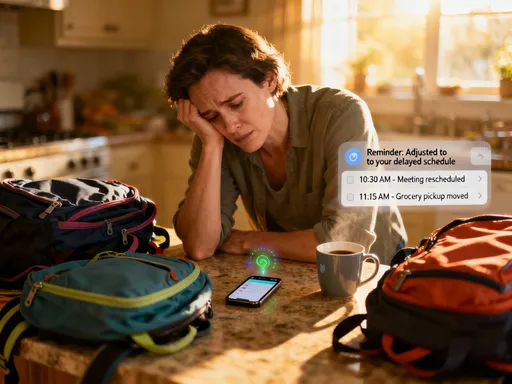
"I'll get to it tomorrow" was my mantra for years. I’d promise myself I’d start the diet, organize the kids’ photos, reply to that important email—just not today. The to-do list grew, guilt piled up, and I felt stuck in a loop of good intentions and missed chances. I thought I just needed more willpower. But what truly changed everything wasn’t discipline or a fancy app. It was connection. One simple online mentorship gave me something I didn’t even know I was missing: someone who saw me, believed in me, and gently reminded me I didn’t have to do it all alone. And that made all the difference.
The Procrastination Trap: When “Later” Becomes Forever
Mornings used to begin the same way. My alarm rings, and before I even open my eyes, I reach over and hit snooze. Just five more minutes, I tell myself. Then ten. Then twenty. By the time I finally get up, half the morning is gone, and the first item on my list—usually something small like stretching or making a healthy breakfast—already feels like too much. I tell myself I’ll do it after I check my messages. But one notification leads to another, and before I know it, it’s noon, and I’ve accomplished nothing.
Does this sound familiar? You’re not alone. So many of us live in this cycle of delay. We want to do better—we really do. We buy the planners, download the productivity apps, watch the motivational videos. But still, the tasks pile up. The difference between wanting to change and actually doing it isn’t effort. It’s support. I used to think procrastination meant I was lazy. But over time, I realized it wasn’t about laziness at all. It was about feeling disconnected—from my goals, from my time, and most of all, from anyone who could help me stay on track.
When we’re isolated in our efforts, it’s so easy to give in to the voice that says, “You can do it later.” There’s no one to notice if we skip a day, no one to ask, “How did it go?” That silence is powerful. It lets us slip back into old patterns without consequence. And the longer we wait, the heavier the task feels. What started as a simple email becomes a mountain we’re too tired to climb. The truth is, motivation fades. Willpower runs out. But connection? Connection can carry us forward even when we don’t feel like moving.
That’s why the idea of having someone—just one person—check in with me felt so foreign at first. I wasn’t used to sharing my struggles. I didn’t want to admit I was stuck. But when I finally did, something shifted. It wasn’t magic. It wasn’t instant. But for the first time, I didn’t feel alone in trying to change. And that made it easier to start.
A Simple Experiment: What Happens When Someone’s Watching?
I joined the online mentorship program almost by accident. A friend mentioned it in passing during a phone call. “It’s not like therapy,” she said. “More like having someone walk beside you while you figure things out.” I wasn’t sure what that meant, but I was tired of feeling stuck, so I signed up—no big expectations, just curiosity.
The first session was nothing like I imagined. There were no intense goal-setting exercises or rigid timelines. Instead, my mentor, a woman named Sarah with a calm voice and warm tone, simply asked, “What did you do yesterday? And what’s one small thing you’d like to do today?” I hesitated. I hadn’t done much—just folded laundry and made dinner. But she didn’t judge. She said, “That’s real life. And doing those things matters.” Then she smiled and added, “So, what’s one tiny step you can take today?”
That small exchange did something unexpected. It made me feel seen. Not fixed, not pushed, just seen. And that changed how I approached the rest of the day. I ended up writing two paragraphs of a project I’d been avoiding for weeks. It wasn’t much, but I did it. And when I told Sarah about it in our next call, she didn’t celebrate like I’d won a prize. She just said, “That’s progress. You showed up.”
That’s when I started to understand the power of accountability—not as pressure, but as care. It wasn’t about someone watching me to catch me failing. It was about someone noticing when I tried. That subtle difference made all the difference. I wasn’t afraid to admit I’d skipped a day or felt overwhelmed. Sarah never scolded me. She’d say things like, “What got in the way?” or “How can we make this easier for you?” Her questions weren’t about blame. They were about understanding.
The technology made it possible. We met weekly over a simple video call—no fancy setup, just my laptop and a quiet corner of the kitchen. Between sessions, I could send her a quick voice note or message through a shared platform. It wasn’t constant surveillance. It was gentle presence. And that presence became something I looked forward to. Not because I had to report in, but because I knew someone was rooting for me.
From Overwhelm to Action: How Guidance Breaks Tasks Down
One of my biggest challenges was preparing for a work presentation. It wasn’t due for three weeks, but the thought of it made my chest tighten. I kept telling myself I’d start “when I had more time.” But days passed, and I did nothing. The blank slide deck mocked me every time I opened my laptop.
When I mentioned it to Sarah, she didn’t tell me to “just get it done.” Instead, she asked, “What part feels the hardest?” I realized it wasn’t the actual speaking—it was organizing my thoughts. So together, we broke it down. “What if,” she said, “you just wrote three bullet points today? Not slides. Not design. Just three ideas.” That felt doable. So I did it.
The next day, I added two more. Then, with Sarah’s help, I turned those points into a simple outline. After that, we focused on one slide at a time. No pressure to finish. Just move forward. The technology helped keep us aligned. We used a shared document where I could jot down ideas, and she’d add gentle suggestions in a different color. She also sent a calendar reminder a day before our calls, which helped me gather my thoughts in advance.
What surprised me most was how the momentum built. Each small action made the next one easier. I stopped seeing the presentation as one giant task and started seeing it as a series of small, manageable steps. And because someone else knew about it, I didn’t want to let myself—or her—down. It wasn’t fear of failure that kept me going. It was the desire to keep showing up, to prove to myself that I could follow through.
This wasn’t about working harder. It was about working smarter—with support. The tools weren’t complex. No AI, no fancy software. Just video calls, shared notes, and consistent check-ins. But together, they created a rhythm. A structure that held me gently, without rigidity. I learned that progress doesn’t require perfection. It just requires beginning. And sometimes, all we need is someone to help us take that first step.
The Emotional Backbone: Why Connection Fuels Consistency
Life, as we all know, doesn’t always go according to plan. A week after I started feeling confident about my progress, my youngest got sick. For three days, I barely left his side. My routine collapsed. I missed workouts, skipped journaling, and didn’t touch my work project. I felt guilty, frustrated, and ready to give up.
When I logged into my session with Sarah, I braced myself for disappointment. But instead, she said, “You were taking care of your child. That’s what mattered most.” Then she asked, “Is there one tiny thing you could do today, even if it’s just five minutes?” Her kindness cracked something open in me. I realized I didn’t have to be perfect to keep going. I just had to be present.
That moment taught me something profound: consistency isn’t about never failing. It’s about returning. And having someone who understands that—someone who offers grace instead of guilt—makes all the difference. The emotional support wasn’t an extra. It was the foundation. Without it, I would have walked away. With it, I stayed.
The online mentorship became a safe space—a place where I could be honest about my struggles without fear of judgment. I didn’t have to perform. I didn’t have to pretend I had it all together. I could say, “I’m overwhelmed,” and be met with empathy, not advice. That emotional safety made it easier to keep trying, even on hard days.
And here’s the thing—this kind of support isn’t something you can get from an app. No algorithm can say, “It’s okay,” in a way that truly lands. No reminder notification can replace a human voice that says, “I believe in you.” Technology enabled the connection, but the healing, the growth, the change—it came from the relationship.
Over time, I began to treat myself with the same kindness Sarah showed me. When I missed a day, I didn’t berate myself. I asked, “What do I need now?” That shift—from self-criticism to self-compassion—was one of the most powerful changes of all. And it started with being seen and accepted by someone else.
Tools That Blend Into Life: Simplicity Over Complexity
One of the things I worried about before starting was tech overload. I’ve tried so many apps—task managers, habit trackers, meditation timers. Some were useful for a while, but most ended up abandoned. Either they were too complicated, or they didn’t fit into my real life.
What surprised me about this mentorship was how simple the tools were. We used a basic video conferencing platform—nothing fancy. I joined from my kitchen table, sometimes with a tea in hand, always in my sweatpants. There was no learning curve. No passwords to remember. Just a link and a click.
Between sessions, we used a shared digital notebook. I could write down my thoughts, list my wins, or flag something I was struggling with. Sarah would respond with short, thoughtful notes—never overwhelming, always encouraging. She also used calendar reminders to gently nudge me before our calls, which helped me prepare without stress.
The beauty of it was how invisible the tech felt. It didn’t draw attention to itself. It didn’t demand time or energy. It simply made staying connected easy. I didn’t have to log into five different apps or check endless notifications. Everything I needed was in one place, designed around human interaction, not data collection.
That’s the key—technology that serves the relationship, not the other way around. It wasn’t about tracking every minute or measuring productivity. It was about creating space for real conversation, honest reflection, and gentle guidance. The tools were quiet helpers, like a well-placed lamp in a room—there when you need it, unnoticed when you don’t.
And because it was so simple, it fit into my life instead of disrupting it. I didn’t need extra time or energy. I just needed to show up. And that made all the difference.
Ripples Beyond Tasks: How Mentorship Changed My Self-View
As the weeks passed, something deeper began to shift. Yes, I was getting things done—finishing projects, keeping up with routines, feeling more in control. But more than that, I started to see myself differently. I wasn’t just someone who made plans and broke them. I was someone who showed up, even when it was hard.
That change didn’t happen overnight. It grew slowly, built on small wins that were witnessed. When I told Sarah I’d gone for a walk even though I didn’t feel like it, she didn’t just say “good job.” She said, “You’re someone who takes care of yourself.” That simple reframe stuck with me. I began to internalize it. I wasn’t just doing things—I was becoming someone new.
Confidence didn’t come from big achievements. It came from the habit of following through. Each time I did what I said I would—even if it was small—I rebuilt a little piece of trust in myself. And having someone else acknowledge that made it real. It’s one thing to tell yourself you’re making progress. It’s another to have someone else see it and reflect it back to you.
This wasn’t just about productivity. It was about identity. I started to believe I was capable, not because I’d done everything perfectly, but because I’d kept going. I’d learned that showing up matters more than getting it right. And that lesson spilled over into every part of my life—how I parented, how I worked, how I treated myself.
The mentorship didn’t just help me finish tasks. It helped me reconnect with my own strength. I realized I didn’t need to be perfect to be enough. I just needed to be consistent, kind, and willing to try. And that, more than any checklist, was the real transformation.
Finding Your Guide: Practical Steps to Start
If you’ve ever felt stuck in the “I’ll do it tomorrow” cycle, I want you to know there’s another way. You don’t have to wait for motivation to strike. You don’t have to push yourself harder. You just need one person who believes in you and walks beside you.
Starting doesn’t have to be complicated. Look for online mentorship programs that focus on support, not pressure. Read reviews. Listen to sample calls if they’re available. Pay attention to how the mentors speak—do they sound kind? Calm? Do they listen more than they talk? These are signs of someone who will hold space for you, not rush you.
When you begin, go in with curiosity, not expectation. You don’t need to have everything figured out. Just show up and say, “I want to do better.” A good mentor won’t demand a five-year plan. They’ll start with one small step. They’ll ask, “What matters to you?” and “How can I help?”
And if cost is a concern, many programs offer sliding scales or community-based options. Some even have free introductory sessions. You don’t need to invest a lot to begin. Just one conversation can change your perspective.
Remember, this isn’t about finding a guru. It’s about finding a partner in progress. Someone who reminds you of your strength when you forget. Someone who helps you see your wins, even the tiny ones. Someone who makes “tomorrow” feel a little closer.
You don’t have to do this alone. With a little guidance, consistency becomes possible. Progress becomes real. And the life you’ve been putting off? It can finally begin—not tomorrow, but today.