I can’t control the light was my sleep problem: How a smart window app finally fixed my mornings
"I can’t control the light" was something I used to mutter every morning, half-blind from the glare stabbing through the blinds, one hand fumbling for the snooze button. I wasn’t lazy—I was fighting against a bedroom that didn’t understand my body. For years, I accepted groggy starts, mid-morning crashes, and that foggy feeling that made even coffee seem pointless. Then I discovered something quietly revolutionary: the right light, at the right time, could change everything. Not through willpower, but through a smart window app that finally let me wake up with the sun—on my terms. This isn’t about high-tech obsession. It’s about how a simple shift in how I manage light transformed my energy, mood, and mornings—without changing who I am or how I live.
The Morning Struggle That Felt Impossible to Fix
Let’s be honest—how many of us have woken up feeling like we didn’t really rest, even after eight hours? I used to lie there, eyes half-open, already defeated by the sharp beam of sunlight cutting across my face. It wasn’t just annoying—it felt like an assault on my calm. I’d pull the covers over my head, hit snooze twice, maybe three times, and finally drag myself up, only to feel sluggish by 10 a.m. I blamed myself. Maybe I drank too much tea. Maybe I scrolled too late. Maybe I just wasn’t trying hard enough.
But then I started wondering—what if the problem wasn’t me? What if it was the room? I read that our bodies rely on natural light cues to regulate our internal clock, the circadian rhythm. When light hits our eyes too abruptly, especially in the morning, it can throw everything off. Instead of a gentle wake-up call, my brain got a shock. No wonder I felt disoriented. The blinds I’d lived with for years—once just a design choice—were actually working against my health. I couldn’t control when the sun rose, but I was starting to realize I didn’t have to be powerless.
That’s when it clicked: light isn’t just background. It’s information. And if my bedroom was sending the wrong message to my brain every morning, no amount of sleep tracking would fix the root cause. I needed to take back control—gently, thoughtfully, without turning my home into a lab. That’s when I started looking beyond sleep apps that just told me how I slept, toward ones that could actually help me sleep better. And that search led me straight to smart windows.
When Sleep Apps Stopped Just Watching and Started Helping
For a long time, I used sleep apps like a report card. I’d wear my fitness tracker, wake up, and check my sleep score like I was grading myself. Did I get enough deep sleep? How many times did I wake up? It was useful, sure, but also a little stressful. Like I was being watched. And honestly, knowing I woke up three times didn’t help me stop it from happening again.
Then I found an app that did something different. Instead of just watching, it started doing. It connected to my home’s smart devices, including my bedroom blinds. The first time it automatically closed the blinds at 9:30 p.m., I felt a little surprised—then deeply comforted. No more remembering to do it. No more getting up in the dark. It just… happened. And when I brushed my teeth and saw the room dimming, it became a signal: time to slow down.
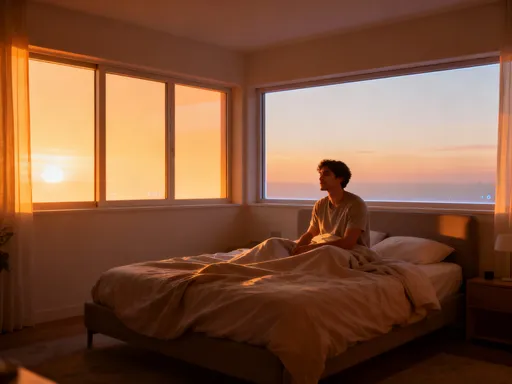
But the real game-changer was the morning. The app learned my bedtime and sleep cycles. Instead of blasting me awake with an alarm, it would start opening the blinds 30 minutes before my usual wake-up time. The light crept in slowly, like dawn rolling over the hills. I started waking up more naturally—sometimes even before the alarm. And when I did wake up, I didn’t feel startled. I felt… ready.
This wasn’t about replacing human habits with machines. It was about using technology to support the rhythms I already wanted. The app didn’t judge me. It didn’t shame me for going to bed late. It just adjusted. If I stayed up reading, it delayed the morning light. If I had a restless night, it kept the room darker longer. It felt less like a gadget and more like a quiet ally—one that actually cared about how I felt.
How Smart Windows Work (Without the Tech Jargon)
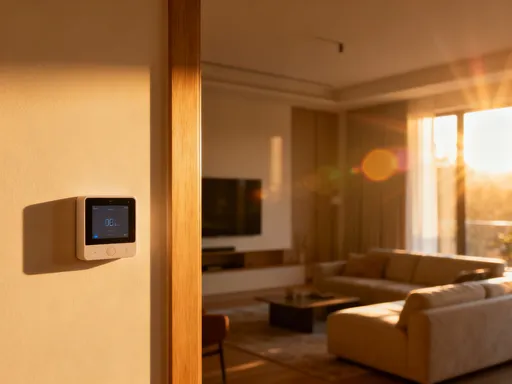
I’ll admit, when I first heard “smart windows,” I pictured something out of a sci-fi movie—glass that changes color, voice commands, maybe even a robot butler. But the truth is much simpler. Think of smart windows like a thermostat, but for light. Instead of regulating temperature, they manage how much natural light comes into your room, and when.
Most systems use motorized shades or tinted glass that can darken or clear on command. They connect to an app on your phone, and that app talks to other devices—like your sleep tracker or calendar. You set preferences: “Close at bedtime,” “Open at sunrise,” or “Keep it dark on weekends.” Then, the system does the rest.
Here’s how mine works: every night, around 10 p.m., the app signals the blinds to close fully. It’s not sudden—it happens gradually, like a soft goodnight. In the morning, if I have an early day, the blinds begin opening at 6:45 a.m., letting in more light over 20 to 30 minutes. On cloudy days, the system detects lower light levels and might open the blinds a little earlier or turn on a warm bedside lamp to compensate. It’s not perfect, but it’s thoughtful.
The best part? I don’t have to think about it. I don’t wake up wondering if I remembered to close the blinds. I don’t stress about sunlight waking the kids too early. The system adapts to the seasons, too—opening later in winter when sunrise is later, and earlier in summer. It’s like my bedroom finally learned how to breathe with the day, instead of fighting against it. And honestly, that small sense of harmony makes a bigger difference than I ever expected.
Syncing Light and Health Tracking for Better Rest
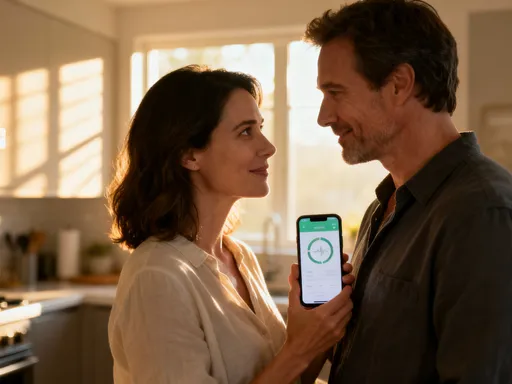
Here’s something I didn’t expect: my fitness tracker started showing real changes. After about ten days of using the smart window system, I noticed my deep sleep had increased by nearly 15 percent. My heart rate variability—a measure of how well my body recovers—was consistently higher on days when the light routine ran smoothly. I wasn’t just sleeping longer. I was sleeping better.
The app began using this data to fine-tune the light schedule. If I went to bed late, it would delay the morning wake-up light. If my tracker showed I was in deep sleep when the usual time came, it would wait. It wasn’t rigid. It was responsive—like a personal sleep coach who actually paid attention.
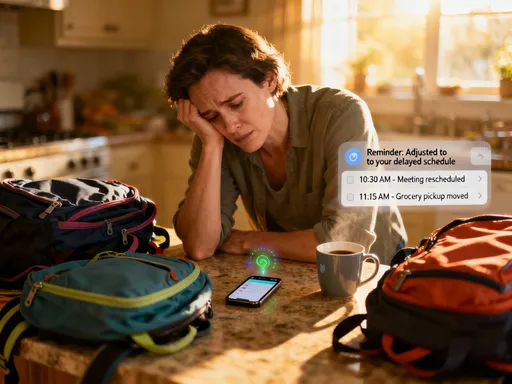
One week, I stayed up late packing for a trip. I expected to feel wrecked the next morning. But the system knew I’d gone to bed at 12:30 a.m., so it kept the room dark until 7:30 instead of 6:45. When I finally woke up, I didn’t feel the usual panic of being behind. I just opened my eyes to soft light and felt… okay. Not perfect, but not destroyed. That small act of kindness—from a system that adjusted to me, not the other way around—meant everything.
This is where technology stops being just convenient and starts feeling meaningful. It’s not about collecting data for data’s sake. It’s about using that data to create a space that supports your well-being. When your environment responds to your body, you stop fighting yourself. You start living in rhythm. And that rhythm? It shows up in your energy, your mood, even your patience with the people you love.
Making It Work in Real Life (Even With a Busy Schedule)
I’ll be honest—I was skeptical at first. My life isn’t predictable. Kids get sick. Work calls run late. Weekends are for sleeping in. Would a system like this work, or would it just add another thing to manage?
The answer surprised me. The app actually made my life simpler. I set “do not disturb” hours for nights when I knew I’d be up late. I created a “weekend mode” where the blinds stay closed until 8 a.m. unless I override it. And when we went on vacation, I turned on “away mode,” which randomizes the blinds to make the house look lived-in. No stress. No complicated programming.
There are manual overrides, too. If I want to nap in the afternoon, I can close the blinds with a tap on my phone. If the kids are still asleep and I don’t want light flooding in, I can pause the morning routine. It’s not about losing control—it’s about gaining support. The system works *with* my life, not against it.
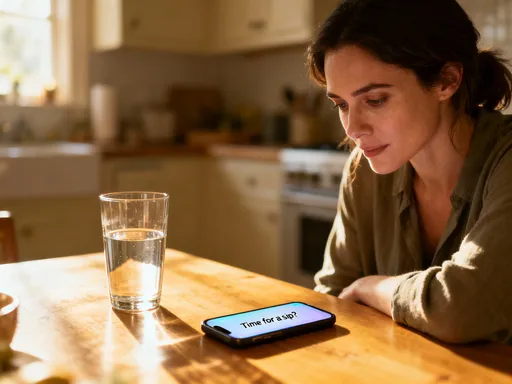
And the reminders? They’re gentle. Not pushy. At 9:45 p.m., my phone might buzz with a soft chime: “Time to wind down? Lights will dim in 15 minutes.” It’s not a command. It’s a nudge. Like a friend saying, “Hey, don’t forget to take care of yourself.” I’ve started associating that little sound with calm. It’s become part of my ritual—along with brushing my teeth and reading a few pages.
The Ripple Effect: More Than Just Better Mornings
After two weeks, I noticed something strange: I wasn’t just more awake in the morning. I was more present. My mood was steadier. I didn’t reach for that second cup of coffee by 9 a.m. I felt less reactive—less likely to snap at small things. And my daughter noticed. “Mom, you seem happier in the mornings,” she said one day over cereal. That hit me harder than I expected.
My husband, who’d rolled his eyes when I first mentioned “smart windows,” started commenting too. “I feel more alert,” he admitted. “I’m not groaning when the alarm goes off.” We started having real conversations at breakfast—about school, plans, little things—because we weren’t both half-awake and scrolling on our phones. That quiet time together became something we both looked forward to.
It wasn’t just about light. It was about creating space for connection. When we’re not fighting fatigue, we have more to give. When we wake up gently, we carry that calm into the day. I found myself making better food choices, taking short walks, even pausing to breathe when things got busy. The change started in the bedroom, but it rippled out into everything.
And here’s the thing: I didn’t set out to revolutionize my life. I just wanted to stop hating mornings. But by honoring my body’s natural rhythms—by letting light in at the right pace—I gave myself a daily gift of peace. And peace, it turns out, is contagious.
Starting Simple: How You Can Try This Without Overhauling Your Home
You don’t need a full smart home to start. I didn’t. I began with one motorized shade on my bedroom window and a free sleep app that connects to Apple Home. That’s it. No rewiring. No construction. No big budget. The key was choosing tools that can talk to each other—look for devices labeled “Works with Apple Home,” “Google Home,” or “Alexa.” That way, your sleep app can send signals to your blinds without any extra work.
Start small. Pick one goal: maybe automating bedtime. Set your blinds to close at 10 p.m. every night. See how it feels. Notice if you fall asleep faster. Then, add the morning routine. Try opening the blinds 30 minutes before you usually wake up. Adjust the timing until it feels right. Maybe it’s 20 minutes. Maybe it’s 40. There’s no perfect formula—just what works for you.
Don’t aim for perfection. Some days, you’ll override the system. Some days, it won’t go as planned. That’s okay. This isn’t about control. It’s about care. It’s about creating a home that supports you, not one that adds pressure. And the beauty of starting small is that you can build confidence—one peaceful sunrise at a time.
Think of it like learning to cook. You don’t start with a five-course meal. You start with toast. Then maybe scrambled eggs. Then, over time, you build your skills. This is the same. Your home can learn to support your well-being, one small, smart change at a time. And the most powerful part? You’re still in charge. The technology just helps you honor what your body already knows: that light matters. That rhythm matters. That you matter.
So if you’ve ever muttered, “I can’t control the light,” and felt that familiar morning frustration—know this: you don’t have to live with it. You don’t need to overhaul your life. You just need one window, one app, and the willingness to try. Because sometimes, the biggest changes come not from doing more, but from letting the light in—just the right amount, at just the right time. And when that happens, mornings don’t feel like a battle. They feel like a beginning.