From Stuck at Home to Everywhere: How Q&A Platforms Set My Work-Life Free
You know that feeling—trapped in your home office, staring at the same four walls, wondering if "work from home" really meant "never leave home again"? I felt it too. Until I discovered how simple, everyday use of knowledge-sharing platforms quietly transformed my routine. No hype, no burnout—just real tools that helped me work smarter, travel freely, and actually enjoy both. Let me show you how it became less about surviving remote work and more about living well. It wasn’t a grand overhaul or a sudden epiphany. It was small, consistent shifts—learning how to ask better questions, finding answers in unexpected places, and realizing that support wasn’t locked behind a corporate email or a manager’s calendar. The freedom I’d been searching for wasn’t in another job or a bigger house. It was already within reach, hidden in plain sight on the very devices I used every day.
The Invisible Wall: When Working from Home Started Feeling Like Staying Forever
Remember that first year of working from home? The novelty of skipping the commute, the joy of wearing comfy clothes all day, the freedom to grab a quick snack between meetings? I do. I remember how it felt like a gift—a rare chance to design my days around my life, not the other way around. But slowly, that gift began to feel more like a cage. The same couch. The same kitchen view. The same silence between Zoom calls that used to be filled with hallway chats and coffee breaks. I wasn’t commuting, but I wasn’t going anywhere either. My world had shrunk to the size of my laptop screen and the four walls of my dining room, which doubled as my office.
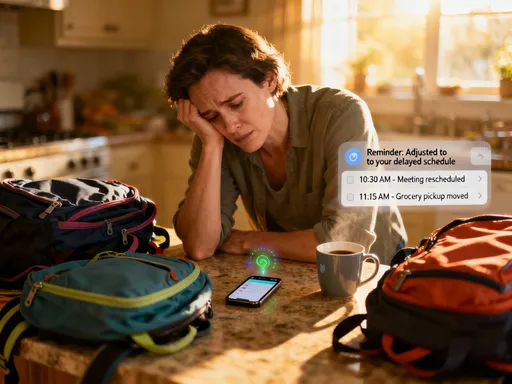
I started canceling weekend trips. Not because I didn’t want to go, but because I was afraid. Afraid my internet wouldn’t work. Afraid I’d miss an urgent message. Afraid that if I stepped away, everything would fall apart. I told myself I was being responsible, that I was committed to my job. But deep down, I knew the truth: I felt stuck. The flexibility I’d dreamed of had turned into a routine so rigid it left no room for spontaneity, for adventure, for rest. I was always “on,” yet never truly present—neither at work nor at home. My daughter once asked, “Mom, why do you always look so tired when you’re not even going anywhere?” That hit hard. Because she was right. I wasn’t going anywhere. And neither was my life.
It wasn’t just the physical space that felt limiting—it was the mental load, too. Every decision, every problem, every “how do I do this?” moment landed squarely on my shoulders. No quick walk down the hall to ask a colleague. No over-the-cubicle whisper for advice. Just me, my to-do list, and the growing sense that I was supposed to have all the answers. That’s when I realized: remote work wasn’t the problem. The problem was trying to do it all alone.
The Quiet Game-Changer: Discovering Knowledge Q&A Platforms Beyond Tech Fixes
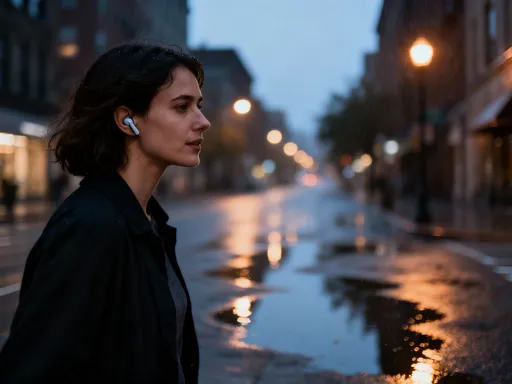
The turning point came on a rainy Thursday morning. I was supposed to join a client call from a friend’s cabin in the mountains, but the Wi-Fi kept dropping. Panic set in. I had no IT support out here, no backup plan. I opened a well-known Q&A platform—not for coding help or software bugs, but to ask a simple question: “How do you stay connected for work when you’re off-grid?” Within minutes, I had answers. Not just one, but dozens. Someone recommended a portable hotspot. Another shared a trick for boosting weak signals with aluminum foil (yes, really). A third suggested a local café with reliable internet just ten minutes down the road.
That small moment changed everything. I didn’t just solve my Wi-Fi problem—I realized I wasn’t alone. There were thousands of people like me, figuring out remote work, parenting, travel, and life, one question at a time. These platforms weren’t just for tech geeks or students cramming for exams. They were full of real people—parents, freelancers, entrepreneurs—sharing real solutions. I started exploring more. I asked about time management. I searched for tips on setting boundaries with coworkers. I even found advice on how to explain remote work to aging parents who worried I wasn’t “really” working.
What surprised me most was the kindness in the responses. No judgment. No condescension. Just people saying, “I’ve been there. Here’s what worked for me.” It wasn’t about perfect answers. It was about connection. And slowly, I began to see these platforms not as digital forums, but as communities—quiet, steady, always open. They didn’t replace my job or my responsibilities. But they gave me something just as valuable: confidence. The confidence to try new things, to move around, to trust that if I had a question, I wouldn’t have to figure it out alone.
Working Smarter, Not Harder: How Answers Streamline Remote Routines
One of the biggest myths about remote work is that it’s easier. The truth? Without the natural rhythm of an office, it’s easy to work longer, not smarter. I was spending hours on tasks that should’ve taken minutes—formatting reports, scheduling meetings across time zones, chasing down file versions. I felt busy all the time, but I wasn’t getting ahead. Then I started asking questions online: “How do you manage calendar overload?” “What’s a simple way to automate email follow-ups?”
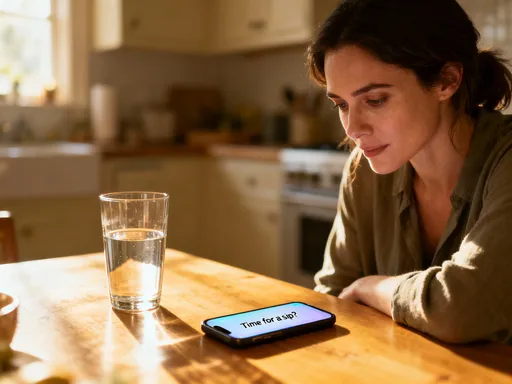
The answers were game-changers. I learned about tools I’d never heard of—simple apps that could schedule my emails, organize my tasks, and even remind me to take breaks. One user shared a template for a “focus hour” block that I now use every day. Another explained how to use voice typing to draft messages faster. These weren’t flashy innovations. They were small, practical tweaks—exactly the kind of advice you’d get from a wise coworker if you worked in an office. But now, I had access to thousands of those coworkers, all sharing what worked for them.
What made the biggest difference wasn’t just the tools, but the mindset shift. I stopped seeing every challenge as a personal failure. Instead, I started viewing problems as puzzles—ones that someone, somewhere, had probably already solved. That changed how I approached my work. Instead of spinning my wheels, I’d pause, ask a question, and often find a better way in minutes. The mental load lightened. I stopped feeling like I had to reinvent the wheel every time a new task came up. And that freed up energy—real, tangible energy—for the things I actually cared about, like finishing projects on time, being present with my family, or just taking a walk without guilt.
The Freedom to Move: Turning Home-Based Work Into Location-Ready Living
Once I had better systems in place, something incredible happened: I started going places again. Not just to the grocery store or school pickup, but real trips. I took my laptop to a beach town for a long weekend. I worked from my sister’s porch while helping her through a tough time. I even spent a week in a small mountain village, writing reports between hikes and cups of local tea. And you know what? My work didn’t fall apart. In fact, it got better.
How? Because I wasn’t winging it. Before each trip, I’d go back to the Q&A platforms and ask specific questions: “Best portable Wi-Fi for rural areas?” “How to pack a mobile office in a carry-on?” “Tips for staying focused in a noisy café?” The answers gave me a plan. I bought a compact hotspot. I created a travel kit with chargers, a foldable keyboard, and noise-canceling earbuds. I learned how to use “do not disturb” modes to protect my focus, even in busy environments.
But more than the gear, it was the peace of mind that mattered. Knowing I could troubleshoot problems on the go—whether it was a software glitch or a scheduling conflict—made all the difference. I wasn’t afraid of being unreachable anymore. If something came up, I could find help fast. And that freedom to move changed how I saw my work. It wasn’t tied to a desk. It wasn’t chained to a single location. It was something I could take with me—like a suitcase, a phone, or a good pair of walking shoes. For the first time in years, I felt like I was living my life, not just surviving it.
Growing Where You (Don’t) Live: Personal Development Without Physical Boundaries
One of the quiet casualties of remote work is growth. In an office, you learn by watching others—the way they handle tough conversations, present ideas, or manage their time. At home, that informal learning vanishes. I realized I wasn’t improving. I was just doing the same things, over and over, in silence. Then I started reading answers on Q&A platforms not just for solutions, but for insights.
I found threads on how to give feedback with kindness. I discovered advice on building confidence in virtual meetings. I even learned how to write clearer emails by studying how experienced professionals answered questions online. It was like having a mentorship program, but one I could access anytime, for free. I started applying what I learned—small changes at first. I restructured my meeting agendas. I practiced pausing before responding in emails. I asked more questions instead of pretending I knew everything.
Over time, I noticed a shift. My coworkers began commenting on how clear and thoughtful my messages were. My manager mentioned I seemed more confident in presentations. I wasn’t just surviving my role—I was growing in it. And the best part? I didn’t have to move to a new city or enroll in an expensive course. I was learning from real people, sharing real experiences, all because I knew where to look. Growth wasn’t about location. It was about access. And for the first time, I had access to a world of wisdom, right at my fingertips.
Closer Than Ever: Strengthening Relationships Through Shared Learning
You’d think spending more time at home would bring me closer to my family. But the truth? I was physically present but mentally absent. I’d be on the couch, but scrolling through work emails. I’d be at dinner, but thinking about tomorrow’s presentation. I wasn’t connecting. Then something shifted. I started sharing what I was learning—not as a lecture, but as a conversation. “Hey, I found this cool trick for organizing photos—want me to show you?” or “There’s a great way to plan a trip using a shared list—let’s try it for our next vacation.”
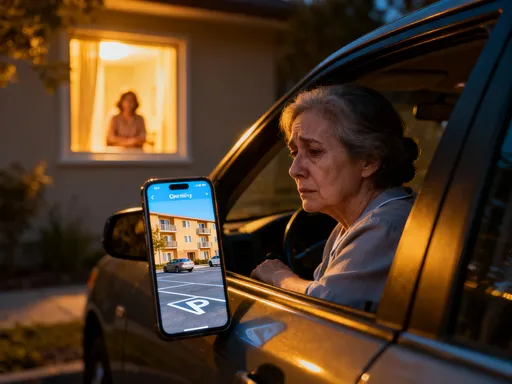
Those small moments became bridges. My daughter taught me a new way to use a drawing app after seeing it on a tutorial thread. My mom started using a simple scheduling tool I recommended, and now she never misses her doctor appointments. We began talking not just about our days, but about what we were learning. It wasn’t about technology. It was about care. Sharing a useful tip became a way of saying, “I was thinking of you.” And those digital tools, those online answers, became threads that wove us closer together.
Even with friends, it changed how we connected. Instead of just venting about work stress, we’d exchange solutions. “How did you handle that with your boss?” “What app do you use for meal planning?” We weren’t just sharing problems—we were sharing power. The knowledge I gained online didn’t isolate me. It gave me something to offer. And in a world that often feels disconnected, that kind of exchange felt like real connection.
A Life in Balance: Reclaiming Ease, Confidence, and Joy in the Everyday
Looking back, I realize the freedom I was searching for wasn’t in escaping my home. It was in transforming my relationship with it. I don’t live to work anymore. I work to live—and that makes all the difference. The same tools that once felt like chains now feel like wings. I still work from home, but home isn’t a prison. It’s a launchpad. From here, I can go anywhere. From here, I can be anyone I’m trying to become.
None of this happened because of a miracle app or a viral productivity hack. It happened because I learned to ask for help. Because I discovered that knowledge isn’t locked away in boardrooms or expensive courses. It’s shared, freely and kindly, by people just like me—parents, workers, dreamers—who’ve figured out one small thing and are willing to pass it on. These Q&A platforms didn’t give me more time. They gave me more confidence. They didn’t eliminate stress, but they gave me tools to manage it. And they didn’t replace human connection—they deepened it, in ways I never expected.
If you’re feeling stuck, if you’re tired of the same routine, if you’re wondering if this is all there is to remote work—know this: you don’t have to do it alone. There’s a whole world of quiet wisdom out there, waiting not in a flashy ad or a paid course, but in the simple act of asking a question. Try it. Share what you learn. Let the answers guide you, not just to better work, but to a better life. Because the truth is, freedom isn’t about going somewhere else. It’s about realizing you already have what you need—support, insight, connection—right where you are.