I kept forgetting to drink water—until this app remembered for me
How many times have you realized, at the end of the day, that you haven’t had a single glass of water? You’re not alone. Busy schedules, endless tasks, and constant distractions make it easy to neglect basic self-care. But what if your phone could gently remind you—not with cold alerts, but in a way that feels like a thoughtful nudge from a friend? This is exactly how my journey with water intake apps began: not as a tech experiment, but as a small change that quietly transformed my energy, focus, and daily rhythm. It wasn’t about chasing perfection. It was about creating a tiny act of kindness toward myself—one sip at a time.
The Forgotten Habit: How Daily Routines Push Hydration Aside
Let’s be honest—when was the last time you paused in the middle of your day just to drink water? Not coffee, not tea, not soda, but plain, simple water? For most of us, especially those of us juggling work, family, and a thousand little things that never seem to end, it’s easy to go hours—sometimes all day—without taking a single mindful sip. I used to think I was drinking enough because I had my morning coffee and maybe a glass with dinner. But I’d often feel sluggish by mid-afternoon, my skin dull, my head foggy. I blamed it on stress or lack of sleep, never once considering that my body was quietly begging for water.
The truth is, hydration doesn’t come with a natural alarm. Eating has hunger. Sleeping has exhaustion. But thirst? It’s subtle, and by the time you notice it, you’re already slightly dehydrated. And in our fast-paced lives, even that faint signal gets drowned out. Think about your typical morning: getting the kids ready, packing lunches, answering emails before you’ve even brushed your teeth. You grab your reusable bottle, fill it up with good intentions, and then—life happens. You leave it on the kitchen counter. You forget it in the car. You get pulled into a meeting and don’t resurface for two hours. That bottle? Still full. Or worse, still at home.
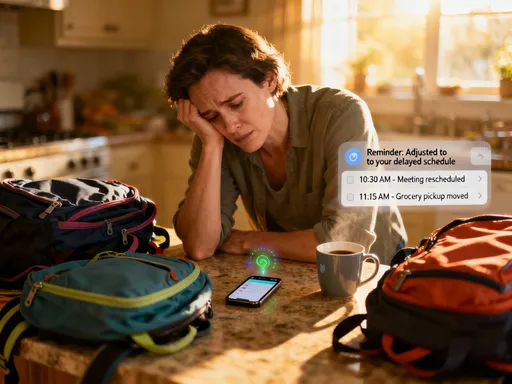
And it’s not just about forgetting. Our routines often work against us. We reach for caffeine when we’re tired instead of water. We drink sugary beverages out of habit or convenience. We wait until we’re parched—mouth dry, energy crashing—before we think to hydrate. But by then, our bodies have been running on low for hours. I remember one particularly rough week when I was helping my daughter prepare for a school presentation, managing a project at work, and trying to keep the house from descending into chaos. By Friday, I had a headache that wouldn’t quit, and my patience was paper-thin. It wasn’t until my sister gently asked, “When’s the last time you had water?” that I realized I hadn’t had a single glass all day. That moment hit me hard. I wasn’t failing because I didn’t care. I was failing because I was human—busy, distracted, and trying to do too much. And that’s when I realized I needed help. Not a lecture. Not guilt. Just a little support. Something to remember for me.
From Guilt to Grace: How Reminder Apps Changed My Relationship with Water
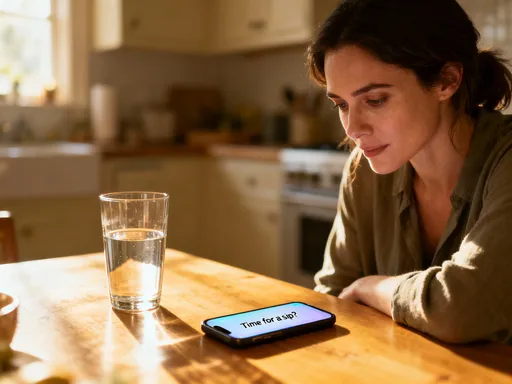
I’ll admit it—I was skeptical when I first downloaded a water tracking app. My phone already buzzed with notifications: work messages, calendar alerts, social media updates. The last thing I wanted was another demand, another reminder telling me I wasn’t doing enough. I expected something clinical, maybe even judgmental: “You’ve only had 12 oz today. You’re 60% behind.” But what I found was completely different. The first notification I got said, “Time for a little refreshment? Your body will love you for it.” It wasn’t pushy. It wasn’t shaming. It was kind. It felt like a friend checking in.
That small shift in tone made all the difference. Instead of dreading the reminder, I started looking forward to it. It wasn’t a taskmaster. It was a cheerleader. Some messages were playful: “Your cells are thirsty—give them a treat!” Others were gentle: “Hey, remember to sip when you can.” And the best part? I could customize them. I chose messages that felt warm and encouraging, not robotic or cold. Over time, I noticed something unexpected: I wasn’t just drinking more water. I was treating myself with more care. That little nudge became a daily moment of pause, a chance to reconnect with my body and say, “I see you. I’ve got you.”
What surprised me most was how quickly this small habit started to feel natural. I didn’t have to rely on willpower anymore. The app wasn’t replacing my responsibility—it was supporting it. And because the reminders were positive, I didn’t feel guilty when I missed one. I just tapped “Snooze” or logged my glass when I finally drank it. No penalty. No judgment. Just a quiet, consistent presence that helped me stay on track. It wasn’t about perfection. It was about progress. And that made all the difference. For the first time in years, I was drinking enough water—not because I was forcing myself, but because it had become a gentle, joyful part of my day.
More Than a Notification: The Psychology Behind Effective Reminders
It’s easy to think of reminders as simple alerts—beep, buzz, drink water. But the ones that actually work are designed with psychology in mind. They understand that human behavior isn’t about logic; it’s about emotion, habit, and timing. The best water apps don’t just tell you what to do. They guide you in a way that feels supportive, not demanding. They use principles like positive reinforcement, habit stacking, and behavioral momentum—without ever making you feel like you’re in a science experiment.
Take timing, for example. A well-designed app doesn’t blast you with reminders every hour on the hour. That would be annoying—and easy to ignore. Instead, it learns your rhythm. It knows you’re usually in a meeting from 9 to 10:30, so it waits until 10:45 to gently check in. It notices you tend to forget water after lunch, so it sends a slightly more persistent nudge around 2 p.m. Some apps even let you set “quiet hours” so you’re not disturbed during family time or after bedtime. It’s not about controlling you. It’s about working with you.
Another powerful feature is habit anchoring—linking a new behavior to an existing one. The app might suggest, “After you brush your teeth, take a big glass of water.” Or “When you start your lunch break, take three sips before you eat.” These small cues make hydration part of your routine, not an extra task. And because they’re tied to things you already do, they’re easier to remember. I started pairing my morning coffee with a tall glass of water—“coffee first, then hydration.” Within a week, it felt automatic. No thinking required.
And let’s talk about feedback. The apps that work best celebrate small wins. When you log a glass, you might see a little animation of a plant growing or a cheerful message like “Great job!” These micro-rewards trigger a sense of accomplishment, which makes you more likely to keep going. It’s the same principle as crossing something off a to-do list—except this list is about caring for yourself. Over time, these tiny moments of success build confidence. You start to believe, “I can do this.” And that belief spills over into other areas of your life.
Choosing the Right App: Features That Fit Real Life
Not all water apps are created equal. I tried a few before finding the one that truly worked for me. Some were too complicated—asking me to log every ounce, track electrolytes, or sync with wearables I didn’t own. Others were too basic, with bland reminders and no personalization. The right app, I learned, isn’t about having the most features. It’s about having the right ones—ones that fit into your life like a good pair of jeans: comfortable, reliable, and easy to forget you’re even wearing them.
For me, simplicity was key. I wanted something where logging a glass took one tap. No typing, no dragging sliders—just a quick “+” button and a little visual of my progress filling up. I also needed customizable reminders. I set them for 9 a.m., 11 a.m., 1 p.m., 3 p.m., and 5 p.m.—times that matched my natural rhythm. I made sure the messages were warm and encouraging, not robotic. And I appreciated the option to snooze or reschedule a reminder if I was in the middle of something important. Life isn’t perfect, and my app didn’t pretend it was.
Integration with my routine was another must. I liked that I could set a recurring prompt for “after brushing teeth” and “before bedtime.” These anchors made hydration feel like part of my self-care ritual, not an afterthought. I also valued apps that synced across devices, so if I logged a glass on my phone, it updated on my tablet too. And while I didn’t need advanced analytics, I enjoyed seeing a simple weekly summary—like “You drank 85% of your goal this week”—not to judge myself, but to recognize my effort.
One thing I tested carefully was how the app performed during travel or busy weeks. I took it with me on a family trip and noticed that when my schedule shifted, the reminders still adapted. I could pause them, adjust times, or log water manually without losing momentum. That flexibility kept me from giving up when life got messy. At the end of the day, the best app wasn’t the fanciest one. It was the one that felt like a quiet partner in my day—there when I needed it, but never in the way.
Building a Ripple Effect: How Staying Hydrated Improved Other Areas of My Life
Here’s what I didn’t expect: drinking more water didn’t just help me feel better. It changed how I showed up in the world. Within a few weeks, I noticed my skin looked clearer, my eyes brighter. I wasn’t as hungry between meals, and I found myself reaching for fruit instead of cookies. My afternoon slump? Almost gone. I had more energy to play with my kids after dinner, to read before bed, to actually enjoy my evenings instead of collapsing on the couch.
But the physical changes were only part of it. The real shift was emotional. That daily habit of pausing to drink water became a form of mindfulness. It was a moment to breathe, to check in with myself, to say, “How am I really doing?” I started noticing other small needs I’d been ignoring—like taking a walk when I felt restless, or drinking tea when I was stressed instead of scrolling on my phone. Hydration became a gateway to deeper self-awareness.
And it sparked other healthy habits. Because I felt better, I wanted to keep going. I started going to bed a little earlier so I could wake up refreshed. I paid more attention to what I was eating. I even began a simple stretching routine in the morning. None of these changes were forced. They happened naturally because I had created a foundation of care. One small, supported habit made it easier to build others. It was like dropping a pebble in a pond—the ripples just kept spreading.
I also found myself more patient—with my kids, my partner, even myself. When you’re dehydrated, everything feels harder. Emotions run high. But when your body is balanced, you can respond instead of react. I remember one afternoon when my son spilled juice all over the floor. In the past, I might have snapped. But that day, I took a deep breath, grabbed a towel, and said, “Accidents happen. Let’s clean it up together.” I realized I wasn’t just calmer—I was more present. And that, I believe, started with a glass of water.
Making It Stick: Simple Strategies to Keep the Habit Alive
Here’s the truth: even with a great app, there are days when motivation fades. Life gets busy. You travel. You’re sick. You forget to charge your phone. And that’s okay. The goal isn’t perfection. It’s persistence. What helped me keep going wasn’t willpower—it was strategy. I learned to pair water intake with existing routines, so it didn’t feel like an extra task. Morning coffee? Followed by a glass of water. Lunch break? Sip while I eat. Kids’ bedtime? One last glass before I turn off the lights. These anchors made hydration automatic.
I also celebrated small wins. I loved seeing my daily progress bar fill up. When I hit seven days in a row, I treated myself to something simple—a long bath, a new book, a quiet morning with coffee. These little rewards kept me motivated. And when I missed a day? No guilt. I just started fresh the next day. The app didn’t shame me. It just said, “Welcome back. Ready to try again?”
Flexibility was key. After a vacation, I didn’t try to jump back into my old routine all at once. I adjusted my goals, rescheduled reminders, and gave myself grace. I learned to listen to my body, not just the app. Some days I needed more water—especially if it was hot or I’d been active. Other days, less was fine. The app was a guide, not a rulebook.
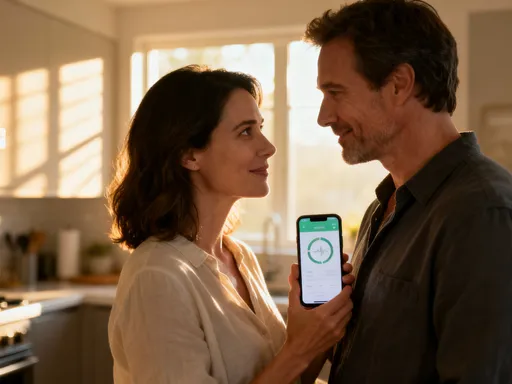
And I involved my family. I told my kids about my goal, and now they remind me: “Mom, did you drink your water?” My husband started using an app too. We even turned it into a little game—seeing who could log the most glasses in a week. It became a shared act of care, not just a personal goal. That connection made it easier to stick with it. Because at the end of the day, self-care isn’t selfish. It’s how we show up as better mothers, partners, and friends.
A Calmer, Kinder Way to Care for Yourself
In a world that glorifies busyness, remembering to drink water might seem like a small thing. But it’s not about the water. It’s about what it represents—a quiet, consistent message that says, “You matter. You’re worth caring for. Not when you finish everything on your list. Not when you’ve earned it. But right now, in this moment.” Those little digital nudges didn’t just help me stay hydrated. They taught me to slow down. To listen. To treat myself with the same kindness I so freely give to others.
Technology often gets a bad rap for pulling us away from real life. But when it’s designed with empathy, it can do the opposite. It can help us reconnect—with our bodies, our needs, our humanity. This app didn’t change my life because it was fancy or high-tech. It changed my life because it reminded me, gently and consistently, to care. And in doing so, it helped me become more patient, more present, more me.
So if you’ve ever looked at the clock and realized you haven’t had a sip of water all day, know this: you’re not failing. You’re just busy. And it’s okay to get help. Sometimes, the most powerful tool isn’t a grand plan or a dramatic overhaul. It’s a simple reminder, a kind message, a small act of love that says, “Don’t forget about yourself.” Because you deserve to be remembered—by your phone, by your family, and most of all, by you.