Sick of missing out on friend hangouts because of dinner plans? How food apps quietly expanded my social circle
Spending yet another Friday night scrolling through delivery apps, too tired to cook or commit to plans? You're not alone. I used to cancel on friends constantly—either too drained to go out or stuck waiting hours for food. But then I noticed something small yet powerful: food delivery apps weren’t just saving me time. They were quietly removing the friction that kept me from saying *yes* to coffee dates, impromptu dinners, and weekend get-togethers. It turns out, dinner plans don’t have to be the bottleneck they once were. These little digital helpers didn’t just change how I eat—they changed how I connect, showing up for people without burning out. And honestly? That shift made all the difference.
The Unseen Social Bottleneck: When Dinner Stands in the Way
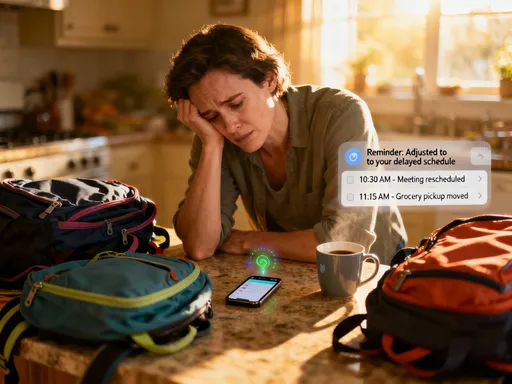
Let’s talk about something we rarely admit: dinner is exhausting. Not the eating part—the planning, the shopping, the cooking, the cleaning. By the time evening rolls around, many of us are already spent. We’ve managed kids, jobs, chores, and a dozen little crises no one sees. The last thing we want is to stand over a hot stove for an hour, only to eat alone while scrolling through messages from friends who went out without us. I remember staring at my phone one Friday night, seeing photos of a group at a cozy Italian place downtown. Someone had texted, “Wish you were here!” And I truly wished I could’ve been. But earlier that day, I’d told myself I needed to cook. I had groceries in the fridge. I told my family I’d make something healthy. So I stayed. And by the time dinner was done and dishes were cleared, it was 9 p.m., and I was too tired to do anything but collapse.
That night wasn’t unusual. For years, I let dinner dictate my social life without even realizing it. I’d say no to invitations because I “already had plans” at home. I’d hesitate to accept last-minute plans because I hadn’t eaten and didn’t want to show up hungry—or worse, late. I wasn’t lazy. I wasn’t antisocial. I was just caught in a cycle where mealtime felt like a responsibility I couldn’t delegate. And I know I’m not alone. So many women in their 30s, 40s, and beyond carry this invisible load—the mental load of feeding the family, of making sure everyone eats well, of being the default planner. It’s not just about food. It’s about time, energy, and emotional bandwidth. And when those are drained by dinner prep, there’s little left for connection.
What I didn’t realize then was that this wasn’t just a time issue—it was a social bottleneck. Dinner had become the gatekeeper to my friendships, my joy, my spontaneity. Every time I chose cooking over company, I wasn’t just feeding my family. I was feeding my isolation. And the saddest part? No one was asking me to do it. My husband would’ve been happy with takeout. My kids wouldn’t have minded pizza twice a week. But I had internalized this idea that good moms and good partners cook. So I kept showing up for the stove, and kept missing out on showing up for my people.
From Survival Mode to Social Freedom: A Shift in Mindset
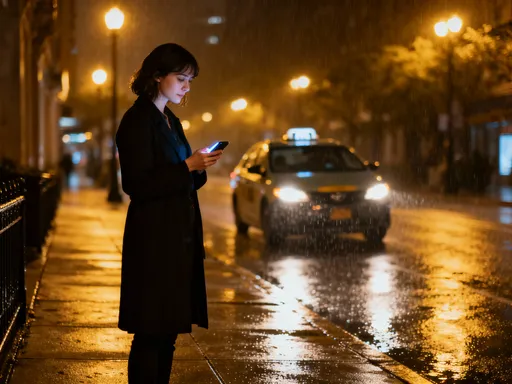
The turning point came on a rainy Thursday. I was supposed to meet a friend for coffee after work, something I’d been looking forward to all week. But as the afternoon dragged on, I started panicking. I hadn’t thought about dinner. I hadn’t shopped. And now, if I went out, I’d be coming home late, tired, and faced with an empty fridge. I almost canceled—again. But then I paused. I asked myself, “Why am I treating dinner like a prison sentence?” That’s when it hit me: I wasn’t being responsible. I was being trapped by habit. I had been using food apps only when I was desperate, when I’d failed somehow. But what if I stopped seeing them as a backup plan and started seeing them as a tool for freedom?
That night, I did something radical. I ordered delivery for my family. Not because I was sick or overwhelmed—because I wanted to go out. I picked a local spot that offered family-style meals, scheduled delivery for 6:30, and kissed my kids goodbye with a real smile. I made it to coffee on time, laughed for an hour, and came home to a warm house and full bellies. No stress. No guilt. Just connection. And in that moment, something shifted. I realized I wasn’t failing by not cooking. I was succeeding by choosing people over perfection.
This wasn’t about giving up on healthy eating or family meals. It was about redefining what care looks like. Caring for my family doesn’t always mean standing in the kitchen. Sometimes it means coming home present, not exhausted. Sometimes it means modeling balance—showing my kids that their mom has friends, has joy, has a life beyond the dinner table. That shift in mindset—from seeing delivery as a guilty pleasure to seeing it as a strategic choice—changed everything. I wasn’t outsourcing love. I was protecting my energy so I could show up with more of it.
How Food Apps Quietly Support Real-Life Connections
Here’s the thing no one talks about: food apps don’t just deliver meals. They deliver time. And time is the currency of relationships. Every minute I’m not grocery shopping, every hour I’m not chopping vegetables, is a minute I can spend calling a friend, taking a walk with my sister, or showing up early to a gathering with a bottle of wine and a real smile. These apps became silent partners in my social life, quietly removing the friction that used to keep me home.
Think about a weekend brunch with friends. In the old days, I’d be stressed all morning—trying to feed the kids early, clean up quickly, decide what to wear while also wondering if I should bring something. Now? I can let the kids order from a kid-friendly menu an hour before we leave. I can relax, get ready without rushing, and arrive feeling calm instead of frazzled. That difference in energy—it shows. People notice when you’re present. They feel valued when you’re not checking your watch, wondering if the pot roast is drying out at home.
And it’s not just about going out. It’s about inviting in. I used to avoid hosting because it meant cooking for a crowd. Now, I’ll suggest a “no-cook night” with a few close friends, where we each order something we love and share it on the table like a potluck—no prep, no stress, just good food and laughter. One Saturday, we had Thai, Mexican, and Italian all on the same table. The kids ran around, the wine flowed, and no one was stuck in the kitchen. It felt more intimate than any perfectly catered dinner I’d ever hosted. The apps didn’t replace togetherness—they made space for it.
Practical Tips: Using Delivery Apps to Strengthen Relationships
Once I started seeing food apps as relationship tools, I got creative. I began using them not just for myself, but for connection. One of my favorite things? Sending a surprise meal to a friend who’s having a rough week. A quick tap, and a warm dinner shows up at her door with a note: “No cooking tonight. Just rest.” It’s a small gesture, but it says, “I see you. I care.” And it costs less than a bouquet of flowers—but lasts longer, especially when she’s too tired to eat, let alone cook.
Another game-changer: group ordering. Most apps now let you create a shared cart where everyone picks their own meal, and you can split the bill automatically. I used this for a girls’ night in—no one had to commit to what they wanted weeks in advance, no one felt stuck with something they didn’t like, and we all ate exactly what we craved. One friend said, “I love that I didn’t have to pretend I liked lasagna when I really wanted sushi.” We laughed, we ate, we talked for hours. It felt effortless. And that’s the point—these tools aren’t meant to replace effort altogether. They’re meant to remove the unnecessary effort so we can focus on what matters.
I’ve also started using delivery to reconnect with people I’ve lost touch with. A simple text: “Hey, I’m ordering from that Mediterranean place you love. Want me to add something for you and your family?” More than once, that’s led to a doorstep visit, a quick hug, a promise to meet up soon. In a world where we’re all so busy, these small bridges matter. They keep the thread of friendship alive, one meal at a time.
Beyond Convenience: The Emotional Payoff of Time Gained
Let’s be honest—no one wakes up dreaming of more free time. We wake up dreaming of more joy, more peace, more meaningful moments. And that’s what this is really about. The time I’ve gained isn’t just empty space. It’s where life happens. It’s the extra 20 minutes I spent walking with my sister last week, talking about her divorce, really listening instead of glancing at my phone to check if the chicken was done. It’s the hour I read to my nephew on a random Tuesday because I didn’t have to rush home to cook. It’s the spontaneous coffee with a friend who’s struggling and just needed to be seen.
There’s a quiet emotional payoff in not being drained. When I’m not running on fumes, I’m kinder. I’m more patient. I’m more present. I don’t snap at my kids because I’m hangry. I don’t cancel plans because I’m overwhelmed. I show up—not perfectly, but fully. And that changes the quality of my relationships. My friendships feel deeper. My family feels more connected. Even my alone time feels richer, because I’m not using it to recover from the day—I’m using it to enjoy it.
And let’s not underestimate the joy of spontaneity. There’s something beautiful about being able to say “yes” without running through a mental checklist. “Want to grab dinner?” “Sure!” No need to check the fridge. No guilt about wasting groceries. No stress about timing. Just freedom. That ability to be flexible—to live in the moment—has brought a lightness to my life I didn’t know I was missing.
Balancing Use and Mindful Choices
Of course, this isn’t about ordering out every single night. I still cook. I still love making a big soup on Sunday or baking cookies with my niece. There’s beauty and comfort in home-cooked meals. And I care about nutrition—I want my family eating vegetables, not just fries. So I’ve learned to use delivery mindfully. I set a weekly budget—maybe three meals from apps, max. I choose places with healthy options, like grilled bowls or fresh salads. I look for places that use real ingredients, not just processed junk. And I balance it with home cooking so it feels like a choice, not a crutch.
I also pay attention to how I feel. If I notice I’m relying on delivery because I’m avoiding the kitchen—or because I’m too isolated to want to cook for one—I take that as a sign. Maybe I need a reset. Maybe I need to invite someone over, even if we cook together. The goal isn’t to eliminate cooking. It’s to eliminate guilt and pressure. It’s to make space for both nourishment and connection, in all their forms.
Cost is real, I won’t pretend it’s not. But when I look at what I’m getting—a calmer home, deeper friendships, more energy—I see it as an investment. And there are ways to make it affordable: ordering family meals, sharing with neighbors, using loyalty programs. Some apps even offer discounts for first responders, teachers, or parents—worth checking. The point is to use these tools in a way that supports your life, not drains it.
Reimagining Technology as a Connector, Not a Distraction
We hear so much about how technology pulls us apart—how phones distract us at dinner, how social media makes us compare instead of connect. But what if we could flip that script? What if some apps, used intentionally, actually help us come together? That’s what’s happened for me. These food apps didn’t isolate me. They liberated me. They handled the small burdens so I could focus on the big things—love, laughter, belonging.
Technology doesn’t have to be the enemy of real life. Sometimes, it’s the quiet helper that makes real life possible. It’s not about living through screens. It’s about using them to protect our time, our energy, our hearts—so we can live more fully offline. Every time I tap to order, I’m not checking out. I’m checking in—with my friends, my family, myself.
So if you’re tired of missing out, if you’re tired of choosing between dinner and connection, I want to offer you this shift: see these tools not as shortcuts, but as enablers. They’re not replacing your role as a caregiver or a friend. They’re supporting it. They’re giving you back the one thing no one else can give you: time. And with that time, you can choose to do something even more powerful—show up for the people who matter, exactly as you are.