I used to trip over cords every night: How smart lighting finally gave me peace of mind
Living in a world that never seems to slow down, I once found myself fumbling for light switches in the dark, stepping on toy cars in the hallway, or waking up groggy because the morning light felt like an alarm attack. It wasn’t just about brightness—it was about ease, safety, and calm. Then I discovered smart lighting wasn’t just for tech lovers. It quietly reshaped how I move through my home, helping me feel more in control, more relaxed, and honestly, a little smarter. This is how it can do the same for you.
The Moment I Knew My Home Was Working Against Me
It was 2:17 a.m. I was halfway to the kitchen, barefoot and half-asleep, when I stepped—hard—on a tiny plastic dinosaur. I yelped, the dog barked, and somewhere down the hall, a child stirred. As I reached for the light switch, I slapped it on full blast, and the sudden white glare hit me like a slap. In that moment, I wasn’t just annoyed—I was exhausted by the little battles my own home seemed to wage against me every night. Tripping over cords, squinting at harsh lights, waking up my family with every move… this wasn’t living. It was surviving in slow motion.
And I know I’m not alone. How many of us have lived like this, thinking it’s just part of being a busy parent, a caregiver, or someone juggling too much? We accept the stubbed toes, the disrupted sleep, the stress of moving through a house that feels more like an obstacle course than a sanctuary. But what if your home could work with you instead of against you? That night, I made a quiet promise: I wanted a home that supported me, not one that startled me. And that’s when I started looking into smart lighting—not as a luxury, but as a real solution to everyday stress.
I didn’t need flashing colors or voice-controlled disco modes. I needed soft, safe light when I needed it. I wanted to walk through my house at night without waking half the neighborhood. I wanted mornings that didn’t feel like emergencies. Most of all, I wanted to feel calm in my own space. That’s what led me to discover how lighting—something so simple—could actually be the key to a more peaceful, intentional life.
Beyond the Switch: How Smart Lighting Adapts to Real Life
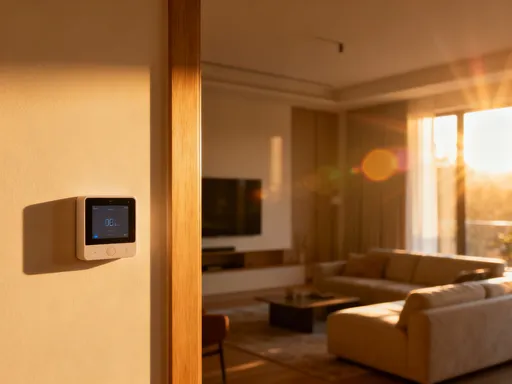
Here’s what surprised me most: smart lighting isn’t about controlling your home. It’s about letting your home care for you. Traditional lights demand that you adapt—flip the switch, adjust the brightness, remember to turn them off. But smart lighting learns your rhythms and works around them. It’s like having a thoughtful roommate who knows when you’re winding down and turns things down gently, or who helps you wake up without making you feel like you’ve been shocked awake.
Take motion sensors, for example. I installed them in the hallway and bathroom, and now when I get up at night, a soft glow rises from the baseboards just enough to guide my steps. No fumbling, no blinding light, no tripping. The kids use the bathroom on their own now, and I don’t have to worry about them stubbing toes or flipping on the overheads and disrupting everyone’s sleep. It’s small, but it’s life-changing.
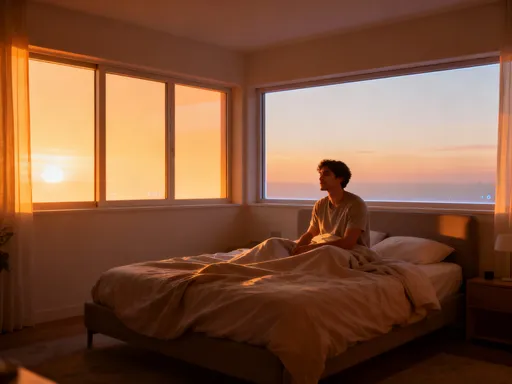
Then there’s scheduling. I set my bedroom lights to gradually brighten 30 minutes before my alarm. It starts with a warm amber, like sunrise, and slowly shifts to a soft white. My body wakes up naturally, not abruptly. I feel more alert, less groggy. And in the evenings, the lights dim on their own around 8 p.m., signaling to everyone—especially the kids—that it’s time to wind down. No nagging, no screen battles. Just gentle cues that help us all transition into rest.
What I love most is that none of this requires me to be a tech expert. The app walks you through everything. You don’t need to code or wire anything. You just tell the system what you want—“I want the living room light to be warm at night,” or “I want the kitchen to turn on softly at 6 a.m.”—and it makes it happen. It’s not about impressing your friends with cool gadgets. It’s about making your daily life feel smoother, safer, and more peaceful.
“I Don’t Want to Sound Like a Robot” – Making Automation Feel Human
When I first heard about smart homes, I pictured cold, robotic voices and rigid schedules. I worried my house would feel like a spaceship—efficient, maybe, but soulless. I didn’t want to live in a place that felt like it was running me instead of serving me. So I was hesitant. But what I’ve learned is that smart lighting doesn’t have to feel mechanical. In fact, it can feel more personal, more warm, than traditional lighting ever did.
One of the simplest things that changed my mind? Naming the lights. Instead of “Bedroom Light 1,” I named mine “Morning Glow” and “Evening Calm.” The hallway fixture is “Night Path.” The reading lamp in the living room? “Story Time Sparkle.” Sounds silly? Maybe. But it made the system feel like part of our family, not a piece of tech. When I say, “Hey, turn on Story Time Sparkle,” it feels cozy, familiar. It’s not a command to a machine—it’s a ritual with my kids.
Voice control also surprised me. I use a smart speaker with voice assistant capability, and I’ve programmed little routines that feel natural. Saying “Good morning” turns on the kitchen lights at 50% brightness, starts the coffee maker (through a smart plug), and reads the weather. It feels like the house is greeting me, not just responding. And at night, “Goodnight” dims the lights, locks the front door (via a smart lock), and turns off the TV. It’s not flashy—it’s functional, but it feels like care.
The key is customization. You don’t have to accept default settings. You can adjust the color temperature, the brightness, the timing—everything. I set the living room to a warm 2700K in the evenings because it feels like candlelight. In the morning, it shifts to 4000K, which feels fresh but not harsh. You can even set different moods for different days. Rainy Sunday? I have a “Cozy Mode” that dims the lights and turns on soft background music. It’s not automation for automation’s sake. It’s about creating a home that feels alive, responsive, and deeply personal.
Solving the “One Size Fits No One” Problem in Family Living
One of the biggest challenges in any household is that everyone has different needs—and different rhythms. My teenager could sleep until noon if allowed, but my partner is up at 5:30 a.m. for work. I’m somewhere in the middle. And the kids? One is afraid of the dark, the other hates bright lights. Trying to meet everyone’s needs with one lighting system used to lead to arguments, resentment, and a lot of awkward compromises.
Smart lighting changed that. With individual user profiles and room-specific settings, we each get the light we need, when we need it. My teen has a wake-up routine that starts with a soft blue glow 20 minutes before her alarm. It mimics sunrise and helps her wake up more gently. No more groggy, irritated mornings. My partner, who works late, has a “Night Mode” that turns on dim, warm lights in the hallway and bathroom when he gets home after midnight. He doesn’t have to flip switches or wake anyone up. And for my youngest, who still gets nervous at night, I set up a nightlight routine that keeps a faint glow in her room until 6 a.m.
The real magic? These settings don’t clash. They coexist. The house knows who’s moving where and adjusts accordingly. If my partner walks down the hall at night, only the path he’s using lights up—softly, just enough to see. The rest of the house stays dark. No one gets woken up. No one feels like their needs are being ignored. And honestly? It’s reduced tension in our home more than I ever expected. We’re not stepping on each other’s routines—literally or emotionally.
Even guest rooms can be customized. When my sister visits, she gets her own lighting preferences—brighter in the morning, warmer at night. I just save her settings in the app, and it’s ready when she arrives. It’s these little touches that make everyone feel seen, cared for, and at home. And for a busy household, that’s priceless.
The Hidden Benefit: Lighting That Helps You Breathe Easier
I’ll admit, I never thought lighting could affect how I breathe. But after using smart lights for a few months, I noticed something unexpected: my allergies felt better. My sinuses were clearer. At first, I thought it was coincidence. But then I realized—by using softer, targeted lighting instead of blasting overhead fluorescents every night, I was stirring up less dust. Harsh lights often mean higher fan speeds or more air movement, which kicks up allergens. With smart lighting, I’m using lower levels, more focused beams, and fewer lights overall.
Then I took it a step further. I connected my smart lights to my air purifier through a simple automation routine. Now, when I say “Relax Mode,” the lights dim to a warm 2200K, the ceiling fan slows down, and the air purifier switches to silent, continuous filtration. The room feels calmer, quieter, and cleaner. It’s like a mini sanctuary. During allergy season, this routine is my go-to. It doesn’t cure my allergies, of course, but it makes the environment more supportive, more soothing.
I also use lighting to support better indoor air quality indirectly. For example, I’ve set the bathroom light to turn on automatically after a shower for 15 minutes. This encourages ventilation and helps prevent mold—something I didn’t even think about before. And in the kitchen, I have a motion-activated under-cabinet light that turns on when I enter. It’s safer than walking into a dark space, but it also means I don’t have to flip on the overhead light and fan, which used to blast air and dust around every time I grabbed a glass of water.
These small synergies—lighting working with other smart devices to create a healthier home—were not something I planned. They emerged naturally as I got more comfortable with the system. But now, I see how interconnected everything is. Better light doesn’t just help you see. It helps you breathe, rest, and feel more at ease in your own skin.
Setting It Up Without the Stress: A Realistic Guide
If you’re thinking about trying smart lighting, I get it—starting can feel overwhelming. I felt the same way. I didn’t want to spend hours reading manuals or hiring an electrician. I just wanted something that worked, simply and reliably. So here’s how I did it, step by step, without stress.
I started small. I bought one smart bulb for my bedside lamp. That’s it. I screwed it in, downloaded the app, and followed the setup guide. It took less than 10 minutes. I tested the basics: turning it on and off with my phone, dimming it, changing the color temperature. Once I saw how easy it was, I added another bulb in the living room. Then one in the hallway. No big overhaul. Just gradual, manageable steps.
I made a few mistakes, of course. At first, I set the hallway lights too bright at night—still enough to wake me up. I adjusted it to 10% brightness and added a motion sensor, which fixed the problem. Another time, I named my lights something generic like “Lamp 1,” and I kept confusing them in the app. Now I use descriptive names—“Kitchen Table Warm,” “Hallway Night Path”—so it’s clear what each one does.
When choosing a system, I looked for three things: ease of use, reliability, and good customer support. I picked a brand with a simple app, clear instructions, and 24/7 chat support. It made a huge difference when I had a question. I also made sure the bulbs worked with my existing fixtures—no rewiring needed. Most smart bulbs are just like regular bulbs; you screw them in and connect them to Wi-Fi.
My advice? Start with one room. Pick a place where lighting already causes frustration—like a dark hallway or a bedroom where you wake up too harshly. Try a single bulb or a plug-in smart lamp. See how it feels. If you like it, expand slowly. You don’t need to smartify your whole house overnight. The goal isn’t perfection. It’s peace. And you’ll find, like I did, that once you experience how good it feels to move through your home with ease, you’ll want to keep going.
How Light Changed More Than My Home—It Changed How I Feel
After living with smart lighting for over a year, I can honestly say it’s changed more than just my home. It’s changed how I move through my days, how I care for my family, and how I care for myself. Those little moments—walking safely at night, waking up gently, creating a calm space for reading or quiet time—have added up in ways I didn’t expect. I feel more in control. More present. More at peace.
What I thought was just about convenience turned out to be about care. The way my lights rise slowly in the morning feels like a quiet act of kindness to my future self. The soft path of light at night feels like a hand guiding me, keeping me safe. And when I say “Goodnight” and the house responds by dimming, locking, and settling in, it feels like the home is returning my care, too.
I used to think technology made life colder, more impersonal. But this experience taught me that when used with intention, tech can actually deepen warmth, connection, and well-being. Smart lighting didn’t make my home perfect. But it made it more thoughtful. More human. And in a world that often feels too fast, too loud, too demanding, that’s everything.
If you’re tired of tripping over cords, startling awake, or feeling like your home is working against you—try giving smart lighting a chance. Start small. Be patient. Let it learn you, and you’ll learn how good it feels to be seen, supported, and gently guided through your days. Because you don’t need a high-tech mansion to live with more ease. You just need a little light—and the wisdom to let it help.