Tired of Clunky Screen Recordings? This Hidden Tool Transformed How I Work
Have you ever recorded your screen only to realize half the audio was missing or the file wouldn’t play on your colleague’s computer? I’ve been there—frustrated, late on deadlines, and scrambling to re-record. But everything changed when I discovered a quietly powerful feature buried in a tool I already used every day. It wasn’t flashy, but it saved me hours, reduced stress, and made sharing ideas seamless. This isn’t about mastering complex software—it’s about working smarter with what’s already at your fingertips. And if you’ve ever felt overwhelmed trying to keep up with tech, this is for you. You don’t need another app. You just need to see what’s already in front of you, a little differently.
The Moment Everything Clicked: A Relatable Screen Recording Struggle
Let’s be honest—how many times have you recorded your screen, clicked “stop,” and thought, “That was perfect!”—only to play it back and hear nothing but silence for the first 30 seconds? Or worse, your voice cuts in and out like a bad phone call? I remember one morning, I stayed up late preparing a detailed walkthrough for a project update. I recorded everything carefully—my screen, my voice, even added a few annotations. I felt proud. I hit send, sipped my coffee, and waited for the praise. Instead, my teammate replied, “Thanks, but I can’t hear anything after the first minute.” My heart sank. I had to redo the whole thing—again. And that wasn’t the first time. It became a pattern: record, fail, re-record, rush. The cycle was exhausting. I started dreading screen recordings like they were a tech obstacle course. I even considered buying one of those “premium” recording tools I saw advertised, thinking, Maybe I just need something better.
But then I paused. How many tools do I already pay for that I barely use? How many subscriptions sit untouched in my inbox? Instead of adding another app to my overloaded digital life, I decided to look deeper into the ones I already had. I wasn’t looking for magic—just something that worked. I opened the recording tool I’d been using for years, the one built into my laptop, the one I treated like a flashlight: only on when needed, never really explored. I clicked around, not with a goal, just curiosity. And that’s when I saw it—a small checkbox buried in the settings: “Automatically trim silent sections.” I didn’t even know that was a thing. I turned it on, recorded a quick test, and—just like that—my 8-minute video became a clean 5-minute clip. No dead air. No awkward pauses. No editing. It felt like someone had quietly cleaned my kitchen while I was asleep. That moment changed everything. It wasn’t about upgrading my tools. It was about seeing them differently.
Beyond Basic Recording: Uncovering the Overlooked Feature
We all use screen recording now—more than ever. Whether you’re a teacher sending a quick lesson recap, a manager giving feedback, or a mom helping your teen with homework over video call, showing is often easier than explaining. But most of us only scratch the surface. We know how to press record and stop. That’s it. We don’t explore the settings. We don’t ask, “What else can this do?” And honestly, who has the time? Life is busy. We just want things to work. But here’s the thing: some of the most helpful features aren’t in flashy new apps. They’re already inside the tools you use every day, quietly waiting to be discovered.
The feature that changed my life—automatic trimming—is one of those hidden gems. It’s not advertised on the homepage. No pop-up says, “Hey, did you know?” It’s tucked away, like the emergency brake in a car. But once you know it’s there, you wonder how you ever drove without it. Here’s how it works: while you record, the tool listens. Not in a creepy way—it’s not recording when you’re not using it. But during your screen recording, it analyzes the audio. When it detects long pauses—like when you stop to think, take a sip of tea, or get interrupted by the dog barking—it marks those sections. After you finish, it gives you the option to trim them out automatically. No cutting, no scrubbing through timelines, no guessing where the silence starts. Just click “optimize” or “clean up,” and boom—your video is tighter, smoother, more professional.
I’ll never forget the first time I used it for a real project. I was explaining a budget report to my team. Normally, I’d record, listen back, cringe at my pauses, and spend 20 minutes editing in a clunky video editor. This time, I just recorded naturally. I paused, I thought, I even laughed at one point. When I stopped, the tool asked, “Would you like to remove silent parts?” I said yes. It took 10 seconds. The final video was 40% shorter, but all the important parts were there. My team didn’t just understand it—they said, “That was so clear.” No re-records. No follow-up questions. Just action. That’s when I realized: this wasn’t just a time-saver. It was a confidence booster. I wasn’t afraid to record anymore. I could be myself, knowing the tool had my back.
How It Works: A Simple Walkthrough Without the Tech Jargon
Now, I know what you might be thinking: “This sounds great, but I’m not tech-savvy. I don’t want to mess up my settings.” I get it. I used to feel the same way. I avoided settings like they were minefields. But this is simpler than making a cup of tea. Let me walk you through it, step by step, no jargon, no pressure.
First, open the screen recording tool you already use. It might be built into your laptop—most newer computers have one. If you’re not sure, try searching “screen recording” in your device’s search bar. Once you’re in, look for a small gear icon or “Settings” link. Don’t panic—just click it. Scroll down. You’re looking for something like “Video Optimization,” “Smart Editing,” or “Silence Detection.” The name might vary, but the idea is the same. There should be a checkbox that says, “Remove silent pauses automatically” or something close. Turn it on. That’s it. You’re done.
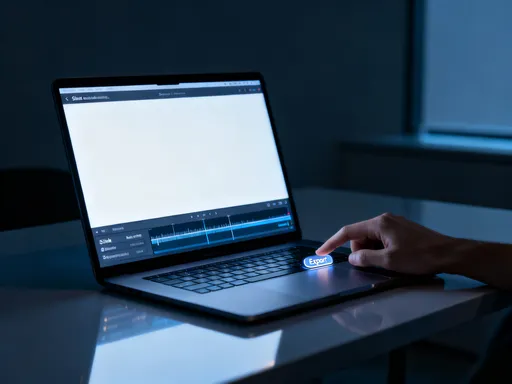
Now, record a short test. Talk about your day, explain a recipe, show how to find a file on your desktop—anything. When you stop, watch what happens. Some tools will process the video right away. Others might ask if you want to clean it up. Say yes. Wait a few seconds. Then play it back. Notice how smooth it feels? No long gaps. No “umms” stretching into silence. Just you, clear and confident. If it doesn’t work the first time, don’t worry. Some tools only offer this feature when you save the video in a certain format, like MP4. Check the export settings. Make sure you’re not saving as a raw file. But honestly, most modern tools do this automatically once the setting is on. The hardest part isn’t the tech—it’s just knowing to look.
And here’s a little secret: you don’t have to use it every time. Think of it like cruise control. You don’t need it on every drive, but when you’re on a long highway, it makes life easier. Same here. For quick clips to your sister or a fast note to your neighbor, you might not need it. But for anything important—a work presentation, a school project, a client update—turn it on. Let the tool do the cleanup so you can focus on what you’re saying, not how you’re saying it.
Real-Life Wins: From Work Stress to Smooth Collaboration
Once I started using this feature, the changes weren’t just in my videos—they were in my whole work rhythm. I used to stress about recording. I’d rehearse like I was going on stage. I’d stop and restart if I stumbled over a word. It was exhausting. Now? I just hit record and talk. I can pause, collect my thoughts, even walk away for a minute—knowing the silence will be trimmed. That freedom changed everything.
One of my biggest wins came during a team project last quarter. We were updating a client portal, and I needed to walk the team through the new interface. Normally, I’d record a 15-minute video, then spend another 30 minutes editing it down. This time, I recorded freely—explaining, pausing, even joking around. The raw video was over 18 minutes. After automatic trimming, it became a crisp 7-minute clip. I sent it out before lunch. By afternoon, my inbox was full of replies: “Got it!” “Thanks, that was so clear!” “Can we use this for training?” No requests for clarification. No “Can you resend with audio?” Just progress. My manager even mentioned it in our meeting: “Love how easy it is to follow these updates now.” That small feature didn’t just save me time—it built trust. My team knew they could rely on my recordings. I wasn’t just sharing information. I was communicating with confidence.
And it wasn’t just work. I started using it for personal things too. My niece was struggling with a math problem, so I recorded a quick walkthrough. Normally, I’d worry about sounding slow or confusing. This time, I just explained it like I would in person. The tool trimmed the pauses, and she watched it twice. Her mom texted me: “She finally gets it—thank you!” Even my book club used it. One of our members couldn’t make the meeting, so I recorded a summary of the discussion. She said it felt like she was right there. That’s the power of clear, clean communication. It bridges gaps—between coworkers, between family, between friends. And it all started with a checkbox I almost never noticed.
Beyond Efficiency: How It Gave Me Back Time and Peace of Mind
Let’s talk about time. We always focus on how many minutes a tool saves us. And yes, this one saves hours over time. But the real gift wasn’t the time—it was the mental space. Before, screen recording felt like a chore. I had to be “on.” I had to be perfect. That pressure added up, even if I didn’t notice it. It was like carrying a small weight in my backpack all day. Once I found this feature, that weight lifted.
Now, I record when inspiration strikes. I don’t wait until I’m “ready.” If I have an idea during my morning walk, I come home and record it. If I see a better way to explain something, I just do it—no prep, no stress. That spontaneity has made my work more creative, more human. I’m not editing out my personality anymore. I’m sharing it, and the tool handles the rest.
And here’s something I didn’t expect: it improved my work-life balance. Because I’m not spending extra hours editing, I can log off on time. Because I’m not stressed about tech glitches, I sleep better. Because my messages are clear, I don’t get pulled back into endless email threads. That peace of mind is priceless. I used to think productivity was about doing more. Now I know it’s about doing what matters—without the noise. This feature didn’t just change how I record. It changed how I think about my day. I’m calmer. I’m more present. And I have more energy for the things I love—my family, my hobbies, my quiet mornings with coffee.
Sharing the Secret: Teaching My Team Without Overwhelm
When I first showed this to my team, I expected blank stares. I thought, They’ll say it’s too complicated. They’ll forget to turn it on. But the opposite happened. I didn’t give a formal presentation. I didn’t send a 10-page guide. I just said in our weekly check-in, “Hey, I found this cool thing—want to see it?” I shared my screen, opened the tool, clicked on settings, and turned on the trim feature. Then I recorded a 30-second clip, paused a few times, and showed them the before and after. The room went quiet. Then someone said, “Wait, that was eight minutes before?” Another asked, “And I don’t have to edit at all?” I shook my head. “Nope. Just turn it on and forget it.”
Within a week, half the team was using it. One colleague used it for a client demo and said, “I felt like a pro.” Another started recording training videos for new hires—something she’d avoided for months because she hated editing. Now, she does it in minutes. We didn’t change tools. We didn’t buy software. We just saw what we already had in a new way. And that shift—from me to us—was powerful. It wasn’t about me being the tech expert. It was about us learning together. We started sharing other hidden features too. Someone found a way to caption videos automatically. Another discovered voice-to-text for notes. What began as one small discovery became a culture of curiosity. We weren’t just using tech. We were exploring it—calmly, kindly, together.
The Bigger Picture: Why Hidden Features Matter More Than We Think
This whole experience taught me something bigger than screen recording. It taught me to slow down and look. So much of modern life feels like we need more—more apps, more tools, more upgrades. But sometimes, what we need is already here. We just haven’t seen it yet. Technology isn’t just about the new and shiny. It’s also about depth. About going beneath the surface. About treating our tools not just as appliances, but as partners.
Since then, I’ve started doing this with everything. I look at the apps I use daily—not just using them, but exploring them. I click on menus I’ve ignored. I read the tooltips. I ask, “What else can you do?” And every time, I find something. A shortcut. A setting. A feature that makes life just a little easier. It’s like redecorating a room you’ve lived in for years—you notice the light hits differently in the morning, or there’s a drawer you never opened. That sense of discovery brings joy. It makes me feel capable. It reminds me that I’m not behind. I’m right where I need to be.
And for you, if you’re reading this and thinking, I’m not good with tech, I want you to know—you don’t have to be. You just have to be curious. You don’t need to master every feature. You just need to find one that helps. One that saves you time, reduces stress, lets you breathe. Because technology, at its best, isn’t about complexity. It’s about care. It’s about making space for what matters—your work, your family, your peace. So the next time you record your screen, take a moment. Look beyond the red record button. Explore. Click around. You might just find a quiet helper waiting to make your life a little lighter. And who knows? It might change more than your videos. It might change how you see your whole day.