From Chaotic to Calm: How Smart Balconies Transformed Our Community Life
Living on the 14th floor, I used to dread balcony chores—watering plants, checking for leaks, adjusting shades. It felt like a never-ending to-do. More than once, I’d come home to wilted basil and sun-scorched cushions, guilt creeping in like afternoon heat. I wasn’t alone. So many of us in high-rise buildings treat our balconies like forgotten corners—meant to be peaceful, but too often becoming sources of stress. Then our building introduced smart balcony management. Now, with just a tap on my phone, everything adjusts itself. But what surprised me most wasn’t the convenience—it was how this small shift brought neighbors together, softened daily routines, and quietly transformed the way we live.
The Balcony That Used to Stress Me Out
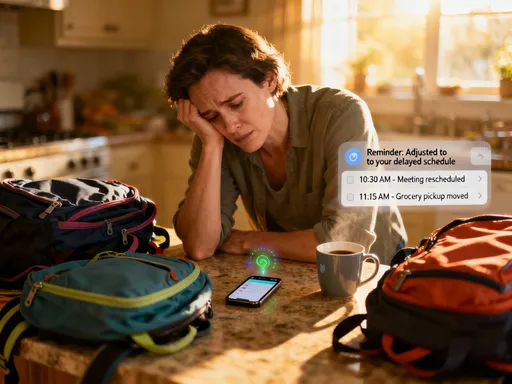
Before the upgrade, my balcony was a constant source of low-level anxiety. I’d be in the middle of a work call and suddenly remember: Did I close the shades before the sun hit the glass? Would the wind knock over the potted lavender again? I’d set reminders to water the herbs, only to forget them—or worse, overwater and kill them. One summer, I left town for a long weekend and came back to a jungle of weeds and two cracked terra-cotta pots. It wasn’t just about the plants. It was the mental load of managing a space that should’ve been my escape.
And I know I’m not the only one. So many of us live in apartments where the balcony is both a luxury and a responsibility we don’t have time for. It’s supposed to be a place to breathe, to sip tea in the morning, to feel connected to the sky and greenery. But instead, it often becomes another chore on the list—another thing we’re failing at. We love the idea of balcony gardening, fresh air, and outdoor moments, but the reality is leaky planters, unpredictable weather, and the guilt of neglect. The irony? A space designed for peace was stealing our peace.
What I didn’t realize then was that this wasn’t just a personal struggle—it was a shared one. At school pickup, in elevator chats, over coffee in the lobby, I’d hear snippets: “I gave up on plants,” “The wind took my cushion again,” “I keep forgetting to water.” We were all carrying this tiny burden, silently. No one talked about it as a community issue—just individual failures. But the truth was, we were all trying to manage something that was never really built to be manageable.
A Simple Upgrade That Changed Everything
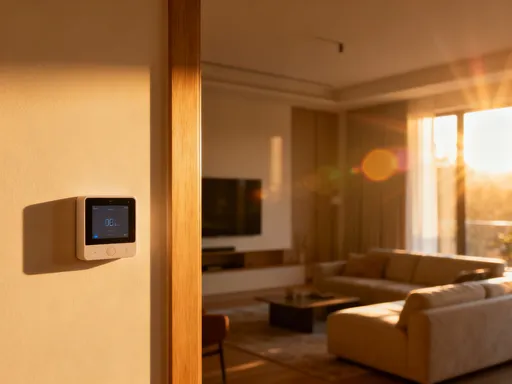
Then, our building management announced a pilot program: smart balcony integration. No major renovations, no rewiring. Just a few discreet sensors, automated irrigation lines, motorized shades, and a simple app we could all access. Honestly, I wasn’t excited. I thought, “Great, another gadget that’ll break in six months.” But I signed up anyway, mostly because my daughter begged me to give the herbs another chance.
The setup took less than a day. A technician installed moisture sensors in the planters, connected the drip irrigation to a small control unit, and fitted the shades with quiet motors. The app was clean and intuitive—no confusing menus or blinking lights. I could see real-time updates: soil moisture, UV levels, weather forecasts tailored to our building’s height and exposure. I could schedule watering, set shade positions, or override manually with a tap. Within a week, my thyme was thriving. My mint stopped gasping for water. And for the first time, I didn’t have to think about it.
But the real change wasn’t in the plants—it was in my mind. That nagging background worry? Gone. No more midday panic about whether the sun would warp the furniture. No more texting my neighbor to close my shades because I was stuck in a meeting. The automation didn’t just save time; it saved mental space. I started noticing how much lighter I felt, how I could focus on my work, my kids, my breath—without that little voice whispering, “Did you check the balcony?” It was like someone had quietly lifted a weight I didn’t even know I was carrying.
How Neighbors Started Talking Again
The app came with a feature I didn’t expect: a community feed. At first, it was just building announcements—“Irrigation test tonight,” “High wind alert.” But then someone posted, “My cherry tomatoes are blooming—any tips for fruiting?” And someone else replied, “Try reducing water slightly—encourages deeper roots.” Then another chimed in, “East-facing balconies are getting perfect morning light this week!”
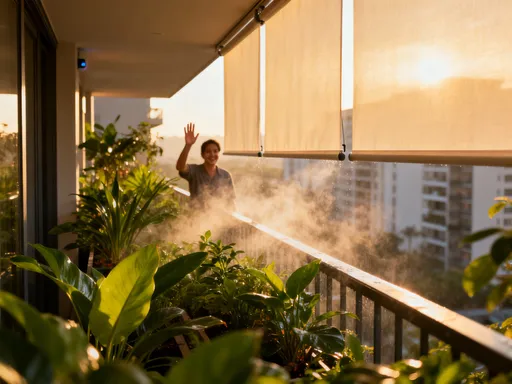
What started as practical advice turned into real conversation. We weren’t just sharing data—we were sharing lives. I began seeing familiar faces on the balconies, not just rushing in and out, but pausing, waving, calling over the railings. “How’s your rosemary doing?” “Did you see the alert about the pollen spike?” We’d meet with coffee, kids in pajamas, dogs on leashes, talking about plant growth, weather patterns, even recipes. One neighbor started a “balcony harvest swap”—fresh basil for cherry tomatoes, mint for lemon balm. It felt like something old had returned: community, connection, simple joy.
It wasn’t forced. No committees, no events. Just technology that created space for humanity. The app didn’t replace talking—it invited it. Because we all had the same system, we could understand each other’s challenges. “Oh, your sensor showed low moisture—did the filter clog again?” “Try resetting the shade calibration—mine did that last week.” We became a network of quiet helpers. And in a world where so many of us feel isolated, even in crowded buildings, that meant everything.
Less Stress, More Focus at Work
I work from home, and I’ll admit—before the smart balcony, my focus was fragile. A sudden gust outside, and I’d pause my call to peek through the blinds. A notification about high UV? I’d drop everything to close the shades. These weren’t big interruptions, but they added up—like tiny paper cuts to my concentration. My mind was never fully present because part of it was always monitoring the balcony.
After the upgrade, something shifted. I stopped getting distracted. I wasn’t juggling mental tasks about plant care or sun damage. I could stay in flow during work sessions, finish projects faster, and be more present with my family in the evenings. My boss even commented, “You seem calmer, more focused lately.” I laughed and said, “I finally stopped worrying about my thyme.” But it was true—when your environment feels stable, your mind settles.
And it wasn’t just me. A neighbor who’s a graphic designer told me she used to lose hours to balcony distractions. “Now I don’t have to choose between meeting a deadline and saving my ferns,” she said. Another, a teacher, said her kids’ homework time is quieter because the shades automatically block harsh afternoon light. The ripple effect was real: less stress at home meant better performance everywhere else. We weren’t just growing plants—we were growing clarity.
A Shared Rhythm That Supports Daily Life
Over time, our building developed a kind of unspoken rhythm. The irrigation system runs during quiet hours, so no one’s woken by the drip lines. Before heavy pollen days, the app sends a reminder to close shades or run air purifiers. During heatwaves, the shades adjust earlier to keep interiors cool. We’ve learned to anticipate, to prepare, to live in sync with the weather—and with each other.
Parents love it because the air feels cleaner, the space safer. One mom told me her son’s allergies have improved since we started managing outdoor exposure more thoughtfully. Remote workers appreciate the natural light regulation—no more glare on screens, no more squinting. Even our building’s energy bill has gone down because the shades help with temperature control. It’s not just about convenience; it’s about well-being.
The balcony, once a neglected corner, has become a quiet engine of care. It runs in the background, doing its job without demanding attention. And because it’s shared, it’s created a sense of collective responsibility. We look out for each other. If someone’s away, we’ll check their planter status. If a storm’s coming, we remind each other to secure loose items. It’s not perfect—but it’s human, and it’s working.
Learning to Trust Small Technologies
Not everyone was on board at first. Some neighbors worried the system would fail, or that it wouldn’t understand local weather patterns. “What if it waters during a downpour?” one asked. “What if the shades get stuck open?” Another said, “I don’t want to depend on an app for my plants.” These were fair concerns. Technology can feel fragile, especially when it’s managing something as personal as your home.
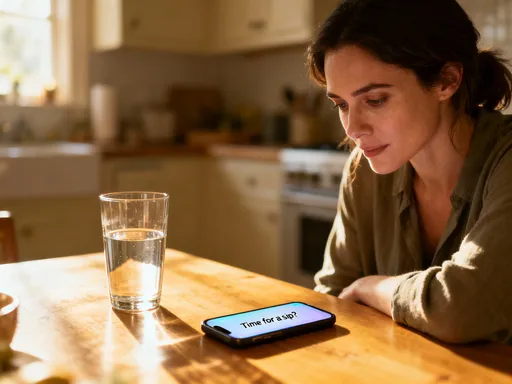
But over time, reliability built trust. The system learned. It adjusted to microclimates on different sides of the building. It paused irrigation when rain was detected. It sent gentle alerts—“Soil dry in Planter 3,” “Shade motor calibration recommended”—not alarms, not demands, just helpful nudges. We stopped seeing it as a gadget and started seeing it as a partner.
One elderly neighbor, Mrs. Lang, said something that stuck with me: “It’s like having a thoughtful friend watching over my plants. I don’t have to worry anymore.” She’s not tech-savvy, but she uses the app every day. She even started a little journal—“Balcony Notes”—tracking growth, bloom times, her favorite herbs. The technology didn’t replace her care; it supported it. And that’s the difference. It wasn’t about control—it was about collaboration. We weren’t handing over responsibility; we were sharing it with a tool that helped us do better.
Building a Smarter, Kinder Way to Live Together
The biggest change wasn’t in our balconies—it was in us. We started paying attention. Not just to plants and weather, but to each other. When someone hosted a dinner on their balcony, others would pause their irrigation out of courtesy. When a new family moved in, three of us messaged to offer planting tips. We began sharing harvests, swapping cuttings, celebrating blooms like small victories.
One evening, I stepped outside and saw lights glowing across the building—soft LED strips, candles, the warm glow of dinner tables. People were out, talking, laughing, children playing safely behind railings. It felt like a village, even though we were 14 floors up. And it struck me: we hadn’t just upgraded our balconies. We’d rebuilt a sense of belonging.
This wasn’t about smart tech for the sake of being smart. It was about using technology to remove friction, to create space—for peace, for connection, for life. It reminded me that progress doesn’t have to be loud or flashy. Sometimes, it’s quiet, gentle, and deeply human. It’s a system that waters your plants so you can read to your child. It’s a shade that closes so you can focus on your work. It’s a message from a neighbor saying, “Your rosemary looks amazing—can I try a sprig?”
We didn’t set out to transform our community. We just wanted easier balcony care. But in simplifying a small part of daily life, we opened the door to something bigger: a way of living that’s not just efficient, but kinder, calmer, and more connected. And if a little tech on the balcony can do that, imagine what else we can grow together.