I kept saying ‘I’ll figure it out on the way’ — this ride-hailing trick saved me every time
Ever gotten into a ride-share and immediately felt lost — not just on the map, but with the whole experience? You’re not alone. Between unclear pickups, surprise charges, and awkward small talk, what’s meant to be convenient can quickly feel stressful. But what if using ride-hailing apps could actually feel effortless — even empowering? The truth is, a few smart, simple habits can transform your rides from confusing to completely under control. Let’s talk about how.
The Pickup Panic: When “I’m here!” Isn’t Enough
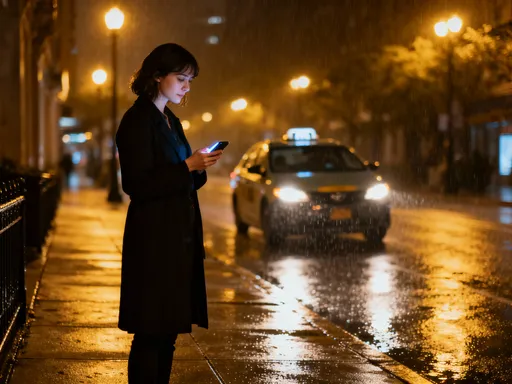
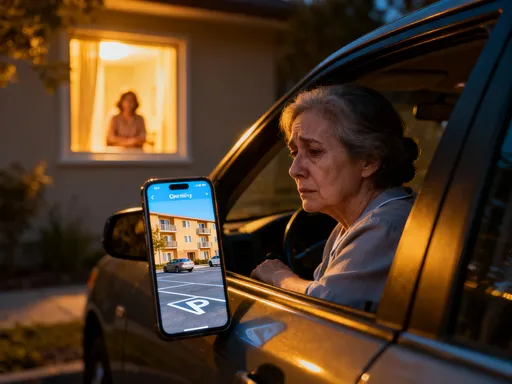
Picture this: you’re standing outside a coffee shop, phone in hand, watching a tiny car icon spin in circles on the map. You’ve already refreshed the app three times. The driver texts, “I’m here.” But where? You scan the street, heart rate rising slightly. Is that the car? The one with the cracked taillight? Or the silver sedan turning into the alley? This moment — the gap between digital confirmation and real-world clarity — is where ride-hailing often starts to unravel.
GPS is smart, but it’s not perfect. Especially in cities with tall buildings or in areas with weak signals, your phone might show you standing right on the sidewalk when you’re actually 30 feet to the left. That tiny gap creates big confusion. The driver sees a pin. You see a block full of cars. And suddenly, that five-minute pickup turns into ten, then fifteen, with both of you growing more frustrated by the minute. I’ve been there — more times than I’d like to admit — holding a tote bag and a latte, feeling oddly stranded in plain sight.
The fix isn’t complicated. It’s about bridging the digital and physical worlds with a little extra detail. Instead of just saying “I’m at the corner,” try this: “I’m standing next to the red awning, right in front of the flower stand.” Or, if you’re near a landmark — a statue, a mural, a bright blue door — use that. Landmarks don’t move. They don’t have bad GPS. They’re reliable. I once waited outside a bookstore with a giant owl sculpture out front. I told the driver, “Look for the giant owl,” and within a minute, the car pulled up. It felt like magic — but it was just clear communication.
Another trick? Take a quick photo of where you’re standing and send it through the app’s messaging system. Most platforms allow photo sharing, and it takes two seconds. I’ve done this when picking up my mom from the doctor — a little note: “She’s wearing the yellow scarf, standing by the fountain.” The driver found her instantly. No circling. No stress. Just a smooth start to the ride. These small actions don’t just save time — they save your peace of mind. And that’s worth more than we often realize.
“Wait, Why Is the Price So High?” — Decoding Dynamic Pricing Without Stress
You tap the app, enter your destination, and — boom — the estimated fare is nearly double what it was yesterday. That sinking feeling hits. “Is this a mistake?” you wonder. “Did I do something wrong?” The truth is, you didn’t. What you’re seeing is dynamic pricing — and while the term sounds technical, the idea is actually simple: when a lot of people want rides at the same time, prices go up. It’s like buying tickets to a concert — the closer to showtime, the higher the cost. But unlike a concert, you can’t always plan around it. You just need to get somewhere, now.
Here’s what most people don’t realize: surge pricing isn’t random. It’s a signal. It tells you the system is busy — maybe because of rush hour, bad weather, or a concert letting out. The app raises prices to encourage more drivers to come online. It’s not trying to trick you. It’s trying to balance supply and demand. But knowing that doesn’t always make it easier to accept a $28 fare for a $14 ride.
So what can you do? First, pause. Don’t book right away. Close the app and wait ten minutes. Prices often drop as more drivers respond to the surge. I tested this during a rainstorm last winter — waited 12 minutes, and the fare dropped by 35%. Worth it. Another trick: walk one block away from your exact location. Sometimes, stepping just outside a high-demand zone — like a train station or event venue — can get you a better rate. It’s not about gaming the system. It’s about using awareness to your advantage.
Also, use price estimation tools. Most apps let you type in your destination without booking, so you can see the range of prices. Do this the night before a morning appointment, or during your lunch break. It helps you plan. And if you see a consistent spike, consider alternatives — maybe a bus, a bike, or carpooling with a friend. I have a neighbor who texts me when she’s heading the same direction — we split the ride, split the cost, and sometimes even split a muffin. It’s cheaper, yes — but it also feels more human.
The goal isn’t to avoid surge pricing at all costs. It’s to understand it, respect it, and respond with calm instead of panic. When you do that, you’re not at the mercy of the app. You’re in partnership with it. And that shift — from helplessness to choice — changes everything.
The Silent Ride Dilemma: When Comfort Meets Awkwardness
You open the car door, slide into the back seat, and — silence. The driver glances at you in the mirror. You smile. They say, “Hi.” You say, “Hi.” Then… nothing. Do you make small talk? Do you pull out your phone? Do you pretend to text so hard that conversation feels impossible? This moment — the first minute of the ride — is its own social puzzle. We’re not quite strangers, but we’re not friends. We’re sharing space, but not necessarily connection. And that can feel awkward, especially if you’re tired, stressed, or just not in the mood to chat.
I used to feel pressure to be “on” — like I had to perform friendliness. I’d ramble about the weather, then over-apologize for my dog barking in the back seat, then panic that I sounded weird. It wasn’t authentic. It wasn’t comfortable. And honestly, it wasn’t necessary. Over time, I learned that silence isn’t rude — it’s often a gift. Most drivers don’t expect a conversation. Many prefer quiet. And if they don’t, they’ll usually be the one to start talking.
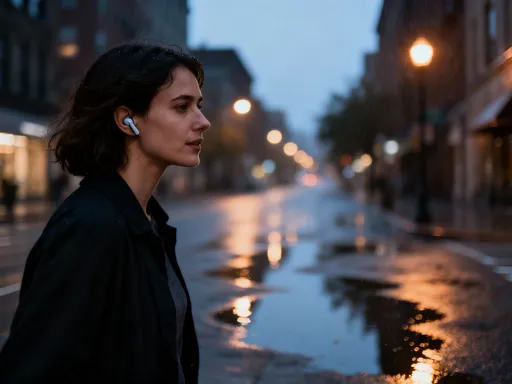
So now, I set the tone gently. If I want quiet, I put in one earbud — just one — and keep my eyes on my phone or the window. It’s a soft signal: “I’m here, but I’m in my own space.” It works almost every time. If the driver wants to talk, they still can. But if not, we both get to relax. And if I do feel like chatting? I wait for a natural opening — maybe a comment about traffic, or a shared laugh at a funny street sign. Those moments feel real, not forced.
Sometimes, a simple “How’s your day going?” is enough to open the door — but only if you mean it. I’ve had drivers tell me about their kids, their side jobs, their dreams of opening a food truck. Those conversations have stayed with me. Not because they were deep, but because they reminded me that every ride is a tiny human connection. You don’t have to talk. But when you do, it can be meaningful.
The key is intention. Are you choosing silence because you need it? Or because you’re afraid? Are you choosing conversation because you’re curious? Or because you feel obligated? When you check in with yourself, you reclaim control. And that’s when the ride stops feeling awkward — and starts feeling like a moment you can shape.
Safety Without Suspicion: Small Habits That Build Big Confidence
Let’s be honest: safety is something many of us think about, but few of us talk about openly. You don’t want to seem distrustful. You don’t want to offend a driver who’s just doing their job. But your comfort and security matter — not as an afterthought, but as a normal part of the experience. The good news? You can protect yourself without making anyone feel accused. It’s about small, quiet actions that add up to big peace of mind.
One of my non-negotiables is sharing the trip link with someone I trust — my sister, my best friend, even my daughter when she’s home. It’s not because I expect anything to go wrong. It’s because I like knowing someone else knows where I am. Most apps have a “share trip” button — tap it, choose a contact, and they’ll see the car’s location in real time. I don’t tell the driver. I don’t make a big deal of it. It’s just my safety net. And it works. Once, when my phone died mid-ride, my sister called the driver to check on me. He was surprised but kind — and I was grateful I’d been seen.
Another habit: checking the driver’s name, photo, and license plate before I get in. It takes five seconds. But it confirms I’m entering the right car. I’ve caught mismatches — a different plate, a name that didn’t match the app — and simply messaged the driver to confirm. Every time, it was a simple mix-up. But I’m glad I checked. Trust is important. Verification is smarter.
Sitting in the back seat is another small choice with big impact. It creates space. It feels more neutral. And if I’m traveling late at night or with a package, I don’t hesitate to choose the back. I’ve also started paying attention to how the driver behaves in the first few minutes — are they calm? Focused on the road? Rushing? These subtle cues help me gauge comfort. If something feels off, I can end the ride early. The app lets you do that — and it’s okay to use that feature.
Safety isn’t about fear. It’s about awareness. It’s about treating yourself with the same care you’d give a daughter or a close friend. When you build these habits into your routine, you’re not being paranoid — you’re being prepared. And that quiet confidence? It changes how you move through the world.
Learning from Every Ride: Turning Trips into Tiny Life Upgrades
Here’s something I didn’t expect: ride-hailing taught me how to be more present. At first, I treated every trip as dead time — a chance to scroll, catch up on emails, or zone out. But over time, I started noticing things. The way a driver took a back route to avoid traffic. The way they greeted elderly passengers with extra patience. The way they kept the car clean, with wipes and chargers ready. These weren’t just service details — they were lessons in care, efficiency, and kindness.
I began to see each ride as a mini-masterclass in problem-solving. How do you navigate when GPS fails? How do you stay calm when a route changes? How do you make someone feel welcome in your personal space? I started asking quiet questions — “What’s the best shortcut around downtown?” or “Do you have a favorite coffee spot on your routes?” Most drivers were happy to share. One told me about a hidden park where he takes breaks. Another showed me a quiet street with the best street art. These aren’t just tips — they’re invitations to see the city differently.
But it goes deeper. I’ve learned about resilience — from a driver who works 12-hour shifts to support his family. About adaptability — from one who switched careers after losing her job. About joy — from one who plays soft jazz and says, “This ride is your peace hour.” These moments don’t erase the challenges of daily life. But they remind me that growth isn’t always loud. Sometimes, it’s quiet. It’s in the back seat of a car, listening to someone who sees the city from a different angle.
Now, I use that time to reflect. What’s one thing I’m grateful for today? What’s one small goal I want to focus on this week? That 15-minute ride becomes a mental reset. I’m not just moving through space — I’m moving toward clarity. And that’s a kind of progress we don’t always measure, but deeply feel.
The Family Ride Challenge: Making Group Trips Smooth and Sane
Family rides are a whole different ballgame. It’s not just you anymore. It’s your mom with her cane. Your kids with snacks, toys, and sudden bathroom emergencies. Your cousin with a stroller and a newborn. Suddenly, logistics matter. Space matters. Timing matters. And if you’ve ever tried to load three kids and a dog into a compact car, you know the feeling of “This was a mistake” setting in fast.
The key? Plan ahead — and choose the right vehicle. Most apps let you select ride types: standard, XL, or even car seats for kids. I used to skip this, thinking, “We’ll squeeze in.” We didn’t. Now, I always check. If we’re four or more, I book XL. If we’ve got big bags or a stroller, I make sure the car can handle it. It costs a little more — but not as much as stress. And the driver appreciates it too. No one wants to be surprised by a double stroller at the curb.
Communication is everything. I message the driver ahead: “Family of four, two kids under 10, bringing a stroller. Will need a few extra minutes to load.” It sets expectations. It shows respect. And it prevents that awkward moment when the driver is tapping their watch while you’re still buckling seatbelts.
I also prepare the kids. We talk about seatbelt rules, inside voices, and no kicking the front seat. I pack a small bag with wipes, snacks, and a tablet — just in case. And I always, always build in extra time. Rushing only makes everything harder. If we’re late by five minutes, so be it. What matters is that everyone feels calm and cared for.
One thing I’ve learned: the ride isn’t just about getting there. It’s about how you arrive. If the car ride is chaotic, the whole day starts stressed. If it’s smooth, everyone walks in the door a little lighter. That’s why these details matter. They’re not fussy. They’re foundational.
From Rider to Pro: Building Confidence Through Consistency
Looking back, I realize something: I didn’t just learn how to use a ride-hailing app. I learned how to trust myself. Every time I used a landmark to clarify pickup. Every time I waited out surge pricing. Every time I shared my trip with a friend or chose the back seat — I was making small choices that added up to big confidence. I wasn’t just riding. I was growing.
Becoming a “pro” rider isn’t about knowing every feature or hacking every fare. It’s about showing up with awareness. It’s about treating each ride as a chance to practice calm, clarity, and care — for yourself and others. It’s about turning a transaction into a moment of agency.
And here’s the beautiful part: those skills don’t stay in the car. They spill over. When you know how to navigate a confusing pickup, you’re better at navigating a confusing meeting. When you learn to set quiet boundaries, you’re better at protecting your energy at home. When you practice safety without fear, you carry that strength into every part of your life.
Technology doesn’t have to feel cold or overwhelming. When used with intention, it becomes a tool for connection, control, and quiet courage. You’re not just getting from point A to point B. You’re becoming someone who moves through the world with more ease, more grace, and more trust in your own judgment.
So the next time you open that app, remember: you’re not just calling a car. You’re calling on your own growing wisdom. And that? That’s the real ride worth taking.