From Overwhelmed to Effortless: How Ride-Hailing Apps Finally Made Getting Around Feel Human Again
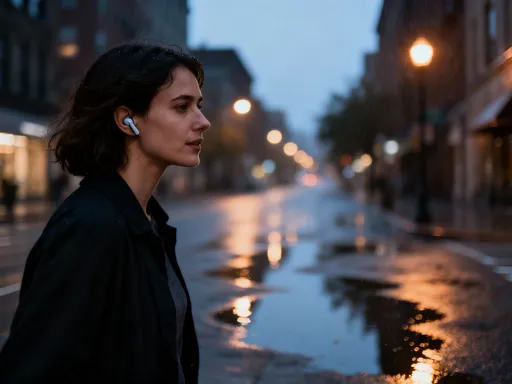
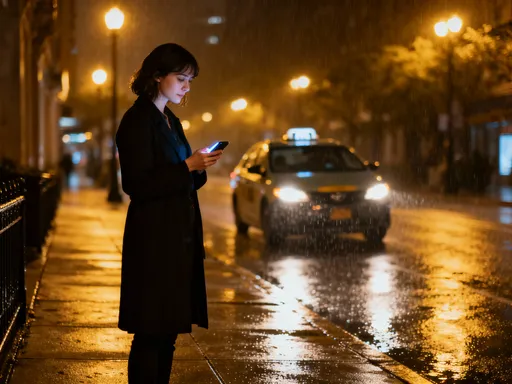
Remember standing on a rainy sidewalk, phone in hand, scrolling through apps, comparing prices, wondering which ride to pick? That stress used to be normal. But now, instead of confusion, there’s calm. Ride-hailing isn’t just about cars—it’s about reclaiming your time, energy, and peace of mind. I used to dread travel days. Now, I move through cities with quiet confidence. Let’s talk about how this shift happened—and how you can feel it too.
The Daily Chaos of Choosing a Ride
Picture this: you’re standing outside your child’s school, one arm holding a bag of forgotten homework, the other juggling your phone. It’s 3:45 PM, and the bus is running late—again. You need to pick up groceries before heading home, and dinner isn’t going to cook itself. You open your phone, heart already racing, and start tapping through ride-hailing apps. Which one is cheaper? Which driver is closer? Is the car clean? Will they wait while you run into the store? Suddenly, a simple 15-minute ride turns into a full-blown decision-making marathon. Sound familiar?
This isn’t just about getting from point A to B. It’s about the invisible weight of constant choices. As women managing homes, families, and often careers, our days are packed with decisions—what to cook, who needs a permission slip signed, whether the dog needs a vet check. The last thing we need is another mental hurdle just to get across town. Yet for years, that’s exactly what ride-hailing felt like. Instead of simplifying life, it added another layer of complexity. I remember one afternoon when I was running late to a doctor’s appointment. I switched between three apps, watching prices jump and ETAs shift like sand. By the time I finally chose a ride, I was so stressed I almost canceled the appointment altogether.
And it’s not just about us as individuals. Think about your mom, your sister, your neighbor—someone who might not be as tech-savvy. For them, the confusion is even greater. The promise of ride-hailing was freedom, but the reality often felt like a puzzle with missing pieces. We weren’t asking for a revolution. We just wanted to get where we were going without feeling drained before we even left the curb.
Why So Many Choices Feel Like No Choice at All
You walk into a grocery store looking for cereal. You expect a few options—maybe a classic bran, a kid-friendly favorite, a gluten-free pick. But instead, you’re faced with 47 nearly identical boxes, each claiming to be the “best” in slightly different ways. Do you want fiber? Protein? Low sugar? Organic? Extra crunch? Suddenly, picking breakfast feels like preparing for a job interview. You leave with the first box you saw, not because it’s the best, but because your brain is tired.
This is exactly what happened with ride-hailing. At first, having more apps felt like progress. More competition, better prices, faster pickups—great, right? But then came app fatigue. You’d open one, see a $22 fare, switch to another, get a $19 quote with a 12-minute wait, then check a third that says $21 but the driver has five stars and a clean SUV. Now what? Do you save $2 but wait longer? Pay more for comfort? Trust the rating or the price?
Psychologists call this “choice overload,” and it’s real. When we’re faced with too many similar options, our brains don’t feel empowered—we feel paralyzed. We second-guess ourselves. We worry we’re making the wrong choice. And in the end, we often walk away more stressed than when we started. I had a friend tell me she stopped using ride-hailing altogether because “it just made her anxious.” That’s not convenience. That’s decision debt—paying an emotional price for something that should be simple.
The truth is, most of us don’t want ten versions of the same thing. We want one clear, trustworthy option that fits our needs. We want to know: Is it safe? Is it clean? Will it be on time? Will it cost what it says? We don’t need a spreadsheet—we need a solution. And for a long time, the market forgot that.
The Hidden Cost of “Convenience”
Ride-hailing was supposed to make life easier. But in the early days, it often did the opposite. I remember trying to get to the airport for a morning flight. I booked a ride an hour in advance, only to get a notification 20 minutes later: “Your driver has canceled. Would you like to request another?” My stomach dropped. I rebooked, but the new fare was nearly double—surge pricing in full effect. I took it anyway, heart pounding, wondering if I’d make my flight. I did—but I arrived flustered, out hundreds of dollars, and vowing never to rely on apps like that again.
This wasn’t an isolated incident. Many of us have stories like this. The ride that showed up 15 minutes late with no explanation. The driver who took a confusing route, adding time and cost. The car that smelled like last week’s fast food. Or worse—the uneasy feeling when a driver didn’t seem professional, and you didn’t know who to tell in the moment. These aren’t just inconveniences. They chip away at your sense of safety, control, and dignity.
And let’s talk about money. “On-demand” sounded great until you opened your bill and saw a fare that looked nothing like the estimate. Surge pricing, while logical from a business standpoint, often felt like a betrayal. You weren’t just paying more—you were paying without consent. No warning, no choice, just a sudden spike because it was raining or there was a concert downtown. That’s not convenience. That’s unpredictability dressed up as innovation.
The problem wasn’t the idea of ride-hailing. It was the execution. Technology focused on speed and scale, but forgot about the human side—the need for trust, clarity, and consistency. We weren’t asking for perfection. We just wanted to feel respected as users, as passengers, as people.
How Smarter Design Began to Simplify the Ride
Change didn’t come overnight. There wasn’t a single “aha” moment. Instead, it was a quiet evolution—platforms listening, learning, and slowly redesigning with real life in mind. The shift started with small but powerful updates: showing the estimated fare upfront, before you even confirm the ride. That simple change made a huge difference. No more surprises. No more second-guessing. Just a clear number you could say yes or no to.
Then came smarter suggestions. Instead of dumping five similar options on your screen, apps began to highlight the best fit based on your past behavior. If you usually choose the cleaner, higher-rated cars, the app starts showing those first. If you often take longer rides at night, it might suggest a trusted driver type or offer ride-tracking for added peace of mind. It’s like having a helpful friend who knows your habits and quietly points you in the right direction.
The interface itself became cleaner. Fewer buttons, clearer labels, less clutter. No more digging through menus to find basic features. And real-time tracking improved—now you can watch your driver approach, see the route they’re taking, and even share it with someone you trust. These aren’t flashy features. They’re thoughtful touches that reduce anxiety and build confidence.
One of my favorite changes? The ability to schedule rides in advance. As someone who often helps my mom with appointments, this has been a game-changer. I can book her ride the night before, set a reminder, and know she’ll have a verified driver waiting. No last-minute panic. No phone calls at 7 AM. Just peace of mind—for both of us. These improvements didn’t happen because of new technology alone. They happened because companies started asking: “What do people actually need?” And the answer wasn’t more options. It was clarity, consistency, and care.
Real Life, Made Lighter: What Changed for Users
Now, when I need a ride, I don’t stress. I open the app, see the fare, confirm with one tap, and go. That’s it. The mental load is gone. The anxiety is gone. What’s left is just the benefit—getting where I need to go, comfortably and on time. I remember one evening after a long day at the market, arms full of groceries, rain starting to fall. In the past, I would’ve stood there, damp and frustrated, juggling bags and my phone. But this time, I opened the app, booked a roomy SUV in seconds, and the driver waited while I loaded my bags. I didn’t have to ask. They just did it.
That’s the new normal. And it’s not just me. I’ve heard from so many women who’ve had similar shifts. A single mom told me she now books rides for her kids when they’re coming home from sports practice. She gets a notification when they arrive, and she knows they’re safe. Another friend uses scheduled rides for her elderly father—he doesn’t have to figure out the app, she sets it up, and he just walks out when the car arrives. These aren’t just tech wins. They’re life wins.
The technology isn’t perfect, but it’s finally working *with* us, not against us. It’s not about impressing us with features. It’s about disappearing into the background so we can focus on what matters—our families, our time, our peace. When I take a ride now, I don’t think about the app. I think about the book I’m reading, the call I’m making, the quiet moment I’m stealing for myself. That’s what true convenience feels like.
Building Trust Beyond the App
Convenience without trust is just stress in a different form. What’s made the biggest difference isn’t speed or price—it’s the feeling of being safe and supported. Knowing that the driver’s name, photo, and license plate are verified. Seeing the car move toward me on the map. Sharing my ride details with my sister or daughter so someone knows where I am. These features don’t just work—they *feel* like care.
I’ll never forget the time I was heading home late after a friend’s birthday dinner. It was past 10 PM, and the streets were quiet. I felt a little uneasy, but I opened the app and saw that I could share my ride in real time with my daughter. I tapped the button, and she texted back: “Got it, Mom. I’m watching.” Suddenly, I wasn’t alone. That simple feature didn’t just track my location—it gave me emotional support.
Customer service has improved too. In the past, if something went wrong, you were stuck with a generic form and a long wait. Now, many platforms offer in-app support, quick refunds for issues, and even 24/7 assistance for serious concerns. It’s not about fixing every problem perfectly—it’s about knowing help is there when you need it.
And driver ratings? They’ve evolved too. It’s not just about how clean the car was. Now, riders can share feedback on safety, professionalism, and courtesy. Over time, this helps push the overall experience upward. Good drivers are rewarded. Problematic ones are filtered out. It’s not a perfect system, but it’s a step toward accountability—and that matters.
The Quiet Power of Feeling in Control
At the end of the day, what we all want is a little more control over our lives. Not power. Not luxury. Just the ability to move through the world without constant friction. That’s what modern ride-hailing finally delivers. It’s not about the technology itself. It’s about what the technology makes possible—more time, less stress, greater confidence.
I think back to that rainy day when I stood on the sidewalk, overwhelmed by choices. I wouldn’t trade that memory, because it reminds me how far we’ve come. Today, I don’t just get rides. I get moments of calm. I get the ability to say yes to things I used to avoid—dinner with friends across town, a solo trip to the spa, a last-minute visit to my sister. Because I know I can get there—and get back—without the mental gymnastics.
And that’s the real win. Technology, at its best, doesn’t shout. It whispers. It doesn’t dazzle. It disappears. It doesn’t make us dependent. It makes us freer. It doesn’t add to our load. It lifts it. Ride-hailing didn’t change the world in a single leap. But it did change *my* world—one quiet, confident ride at a time.
So if you’ve ever felt overwhelmed by the apps, the choices, the uncertainty—know this: it doesn’t have to be that way anymore. The tools are better. The experience is kinder. And you deserve that ease. You deserve to move through life with a little more grace, a little more time, and a lot more peace. Because you’re not just getting from place to place. You’re living your life. And now, finally, the ride feels human again.