Hiking Through Color and Celebration in Cinque Terre
You know that feeling when a place just wows you? That’s Cinque Terre during festival season. I’m talking vibrant villages stacked on cliffs, trails winding through olive groves, and locals spilling into the streets with music and food. Hiking here isn’t just exercise—it’s front-row access to culture, tradition, and pure joy. When the paths meet the festivities, every step feels alive. This is more than a walk. It’s an experience you gotta feel to believe.
Why Cinque Terre Stands Out for Active Travelers
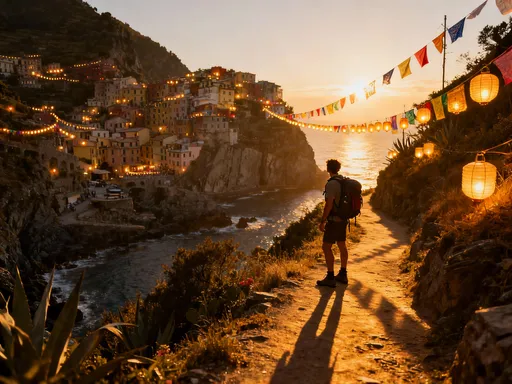
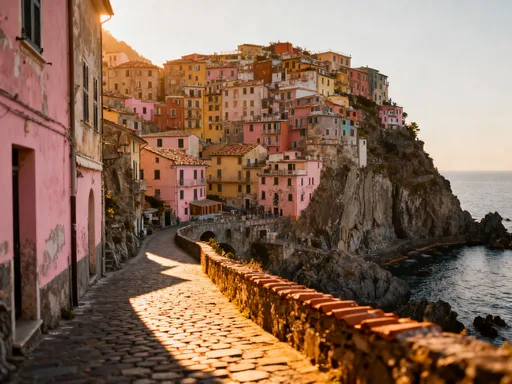
Cinque Terre isn’t just a postcard—it’s a living, breathing destination where hiking connects you to both nature and culture. Nestled along the rugged Ligurian coastline of Italy, this UNESCO World Heritage site comprises five historic fishing villages: Monterosso al Mare, Vernazza, Corniglia, Manarola, and Riomaggiore. What makes this region extraordinary is how its geography shapes the way people live, celebrate, and welcome visitors. The villages cling to steep cliffs, terraced with vineyards and dotted with stone homes painted in warm ochres, deep reds, and sun-kissed yellows. They’re linked by an ancient network of footpaths, some dating back centuries, originally used by farmers and fishermen to move between towns.
The most famous of these trails is the Sentiero Azzurro, or Blue Path, which traces the coastline and offers panoramic views of the turquoise Tyrrhenian Sea. Hiking along this route means navigating stone steps carved into the hillside, passing through fragrant Mediterranean scrub, and catching glimpses of secluded coves only accessible on foot. But beyond the scenery, what sets Cinque Terre apart is the rhythm of life that unfolds along the trail. Unlike destinations where tourism dominates, here, the local culture remains deeply rooted. Families tend their vineyards, fishermen mend nets by the harbor, and village festivals follow seasonal cycles tied to harvests, saints’ days, and maritime traditions.
For active travelers, this means every hike becomes a form of cultural immersion. As you walk from one village to the next, you’re not just passing through—you’re entering a living community. In Vernazza, children wave from piazzas; in Manarola, grandmothers hang laundry between pastel buildings while the scent of basil and garlic drifts from open windows. During festival times, the trails transform into arteries of celebration, pulsing with music, laughter, and the clinking of wine glasses. Hikers are not outsiders—they’re welcomed participants, invited to taste homemade pesto, join in folk dances, or light candles in church processions. This seamless blend of physical journey and human connection is what makes Cinque Terre truly unique among European destinations.
The Magic of Festival Season on the Trails
Timing your visit to coincide with one of Cinque Terre’s local festivals elevates the hiking experience from beautiful to unforgettable. These events are not staged for tourists—they emerge naturally from the rhythms of village life and are deeply cherished by residents. When you arrive during a celebration, the entire region seems to come alive in color, sound, and warmth. The trails, already scenic, become pathways of anticipation, each turn bringing you closer to the heart of the festivities.
Take the Festa di San Pietro in Vernazza, held every June in honor of the village’s patron saint. As dusk falls, the harbor glows with candles and lanterns floating on the water. Hikers descending the trail from Corniglia arrive just as the sky erupts in fireworks, reflecting off the sea like scattered stars. The piazza fills with locals and visitors sharing plates of trofie al pesto, a regional specialty made with hand-rolled pasta and fresh basil from nearby farms. Music spills from open-air stages—traditional Ligurian tunes played on accordions and guitars, inviting spontaneous dancing. There’s a sense of collective joy, of belonging, even if you’ve just arrived.
Similarly, the Monterosso Lemon Festival in spring celebrates the region’s prized citrus fruit, known for its fragrant zest and golden hue. Along the trails leading into town, pop-up stands appear, offering lemon-infused specialties: granita, cake, even limoncino liqueur. Families gather under olive trees to share meals, and children run through the streets with lemon-themed costumes. The scent of citrus mingles with sea air, creating a sensory experience that stays with you long after you’ve left. These festivals are not performances—they’re expressions of pride, heritage, and community. And because they’re tied to the land and its seasons, they feel authentic, grounded, and deeply moving.
The physical effort of hiking enhances the emotional reward of participating. When you’ve climbed steep paths under the sun, your arrival at a festival feels earned. You’re not just watching—you’re part of it. That glass of wine tastes richer, the music sounds louder, the laughter more contagious. It’s this combination of exertion and celebration that creates lasting memories, turning a simple walk into a story you’ll tell for years.
Choosing the Right Path: Matching Hikes to Festivals
To fully enjoy Cinque Terre’s festival season, thoughtful planning is essential—especially when it comes to selecting the right trail. The region offers a range of hiking options, each suited to different fitness levels, interests, and event schedules. The Sentiero Azzurro remains the most iconic route, connecting all five villages in stages. However, not all sections are open year-round due to weather conditions or conservation efforts, so checking trail status in advance is crucial.
For example, the stretch between Vernazza and Corniglia is one of the most scenic but also the most challenging. It features steep ascents, narrow stone steps, and exposed sections with minimal shade. If you’re planning to attend the Festa di Nostra Signora di Reggio in Riomaggiore each September, consider hiking from Manarola to Riomaggiore earlier in the day. This shorter, more manageable route allows you to arrive with energy to spare, ready to join the evening’s torchlit procession along the waterfront. The path offers stunning views of the village’s cascading buildings and the sea below, setting a magical tone for the celebration.
For food-focused festivals, such as the Sagra del Pesce in Monterosso or the wine harvest celebrations in late summer, opting for lower-elevation paths or village-level walking routes makes sense. These flatter trails allow easier access to festival stalls, seating areas, and rest spots. You can stop frequently to sample local specialties—grilled sardines, focaccia di Recco filled with cheese, or freshly pressed olive oil—without worrying about fatigue. Plus, being at sea level means you’re never far from a café or gelateria for a refreshing break.
More adventurous hikers might explore the Alta Via, a higher-altitude trail that runs parallel to the coast. Less crowded and more rugged, this route offers sweeping panoramic views of the entire Cinque Terre region. It’s ideal for those who want solitude and natural beauty but still wish to descend into a village for festival events. Imagine hiking above the clouds in the morning, then joining a street party in Corniglia by sunset. The contrast between quiet contemplation and vibrant celebration adds depth to the journey.
Matching your hike to the festival schedule also means considering timing. Starting early—ideally by 7 or 8 a.m.—helps you avoid midday heat, especially in summer. It also allows you to complete your hike before events begin, giving you time to rest, change clothes, and fully engage in the celebrations. Whether you’re drawn to music, food, or religious traditions, choosing the right path ensures your experience is both enjoyable and meaningful.
What to Pack: Essentials for Hiking + Celebrating
Your backpack should be prepared for both the trail and the party. The terrain in Cinque Terre demands practicality, but the festive atmosphere invites a touch of spontaneity. The right gear ensures comfort, safety, and the ability to fully embrace every moment.
Footwear is the most critical item. Trails are often uneven, with stone steps, loose gravel, and slippery surfaces, especially after rain. Sturdy hiking shoes with good ankle support and grip are non-negotiable. Avoid sandals or flat-soled sneakers—they won’t provide the stability needed for steep climbs. Breathable socks made of moisture-wicking material help prevent blisters, which can turn a joyful hike into a painful ordeal.
Layering your clothing is equally important. Mornings can be cool, especially in spring and fall, while midday temperatures rise quickly under the Mediterranean sun. A moisture-wicking base layer, a lightweight long-sleeve shirt, and a packable fleece or windbreaker give you flexibility. A wide-brimmed hat and sunglasses protect against glare, particularly on exposed sections of the trail. Don’t forget sunscreen—UV exposure is intense at high elevations and near water.
Hydration is essential. Carry at least one liter of water, more if you’re hiking during summer or attempting longer routes. Reusable water bottles are eco-friendly and widely accepted—many villages have public fountains where you can refill. Electrolyte tablets or powder can help maintain energy levels, especially on hot days. Snacks like trail mix, energy bars, or fresh fruit provide quick fuel without weighing you down.
For the celebration part of your journey, pack a few joyful extras. A small camera or smartphone with a charged battery ensures you capture spontaneous moments: a child dancing in the piazza, a vineyard owner pouring wine, or the sunset over the sea. Cash in small denominations is useful—many festival vendors don’t accept cards, and ATMs can be limited in the smaller villages. A compact towel or quick-dry cloth is handy if you want to swim in one of the rocky coves after your hike. And if you plan to dine outdoors or attend evening events, a light shawl or scarf adds comfort as temperatures drop after sunset.
A backpack with a waist strap helps distribute weight and reduces strain on your shoulders. Look for one with multiple compartments to keep essentials organized. And remember: while it’s good to be prepared, overpacking can slow you down. The goal is to move freely—on the trail and in the celebration.
Local Culture: How Festivals Bring the Villages to Life
Each of the five villages has its own personality, shaped by centuries of history, geography, and tradition. Festivals highlight these differences, offering a window into the soul of each community. As a hiker, you’re not just passing through—you’re stepping into a living cultural tapestry.
In Manarola, the annual Christmas lights display—though most dazzling in December—remains a point of pride year-round. Locals speak of it with affection, and photos of the illuminated village are sold in shops as keepsakes. The display, shaped like nativity scenes and religious symbols, is maintained by volunteers and funded through community donations. It reflects a deep sense of togetherness, a belief in beauty as a shared gift. Even outside the holiday season, the spirit of that celebration lingers in the way neighbors greet each other, in the care taken to preserve old customs.
Riomaggiore, the southernmost village, comes alive in summer with open-air concerts along its marina. The natural amphitheater of stone buildings and sea creates perfect acoustics for folk music, jazz, and classical performances. These events draw both locals and visitors, creating a relaxed, inclusive atmosphere. Families bring picnic blankets, children play near the water, and couples sip wine under string lights. The music isn’t just entertainment—it’s a continuation of a maritime tradition where songs guided fishermen home and celebrated safe returns.
Vernazza’s Festa di San Pietro honors both faith and community. The festival includes a religious procession, with a statue of Saint Peter carried from the church to the sea, symbolizing protection for fishermen. This ritual, unchanged for generations, is followed by feasting, music, and fireworks. Children wear white robes, elders lead hymns, and visitors are invited to light candles. The emotional weight of the event is palpable—it’s not a show, but a living act of devotion.
Monterosso, the largest village, blends tradition with innovation. Its lemon festival celebrates a crop central to local cuisine and economy. Lemon groves have thrived here for centuries, their fruit used in everything from preserves to perfumes. During the festival, local chefs demonstrate traditional recipes, and artisans sell lemon-scented soaps and candles. The event feels both festive and educational, a way of passing knowledge from one generation to the next.
These festivals are more than entertainment—they’re acts of cultural preservation. They’re organized by community associations, funded by local businesses, and staffed by volunteers. As a hiker, your presence supports this ecosystem. When you buy a glass of wine from a family-run stand or compliment a baker on her focaccia, you’re participating in a cycle of respect and reciprocity. The language of celebration—shared food, music, silence, laughter—transcends words, creating connections that last long after the journey ends.
Practical Tips for a Smooth Experience
To make the most of your Cinque Terre adventure, a few practical steps go a long way. Start early—both to avoid the midday heat and the crowds. Many hikers and day-trippers arrive by train around 10 a.m., so being on the trail by 7 or 8 a.m. gives you quieter paths and cooler temperatures. Mornings also offer the best light for photography, with soft golden rays illuminating the cliffs and sea.
Access to the hiking trails requires the Cinque Terre Card, available in one-day, two-day, or weekly options. This pass includes entry to the national park, access to the trails, and unlimited train travel between the five villages. Purchasing it online in advance saves time and ensures availability, especially during peak season. The train system is efficient and scenic, making it easy to skip a difficult section or return to your starting point after a long day.
Always check the official Cinque Terre National Park website before setting out. Trail closures due to landslides, maintenance, or weather conditions are common, particularly after heavy rain. Some sections of the Sentiero Azzurro may be temporarily closed, but alternative routes are usually available. Respecting these closures protects both your safety and the fragile ecosystem of the region.
Follow local guidelines: stay on marked paths, do not litter, and avoid using drones, which are prohibited in the park. These rules exist to preserve the natural and cultural integrity of the area. The terraced landscapes took centuries to build and require ongoing care. Every hiker plays a role in protecting this heritage.
Finally, allow time to simply be. It’s tempting to rush from village to village, ticking off sights and snacks. But some of the most memorable moments happen when you pause—sitting on a stone wall with a slice of schiacciata, watching fishermen unload their catch, or listening to an old man play the accordion in a quiet corner of the piazza. These unscripted moments are the heart of the experience.
Why This Journey Stays With You
Hiking Cinque Terre during festival season leaves a lasting imprint—not just on your camera roll, but on your spirit. It’s the combination of physical effort, natural beauty, and human warmth that makes it so powerful. You earn your views, your meals, your memories. There’s no shortcut to the top of Corniglia’s staircase, no app that can replicate the taste of pesto made with basil picked that morning.
The sensory details linger: the sound of church bells echoing across the cliffs, the smell of rosemary and sea salt in the air, the sight of grapevines glowing in the late afternoon light. But more than that, it’s the feeling of connection—between yourself and the land, between strangers who become companions in celebration, between past and present. You walk the same paths that farmers and fishermen have used for centuries. You eat food grown in soil shaped by generations of care. You join festivals that have marked the seasons for decades.
In a world of fast travel and filtered images, Cinque Terre offers something rare: slowness, authenticity, depth. It reminds us that the best journeys are not just about where we go, but how we move through the world. When you hike these trails during festival season, you’re not just a visitor—you’re a participant in a living tradition. And when the music fades and the lanterns are put away, you carry something real: the quiet joy of having moved through beauty, not just seen it. If you’re looking for a journey that moves your body and your soul, this is it.