You Won’t Believe What This Misty Hill Town Hides in Its Cozy Cafés
Nestled high in Sri Lanka’s cool highlands, Nuwara Eliya feels like a slice of England dropped into the tropics—except the food? Totally unique. During my visit, I stumbled upon charming colonial-era tea rooms, bustling local markets, and hidden restaurants serving up bold flavors you’d never expect. From smoky curries to freshly baked shortbread, the specialty dining scene here goes way beyond just tea. If you're craving authentic tastes in a storybook setting, this is your sign to plan that trip.
Why Nuwara Eliya Is More Than Just Tea
Nuwara Eliya, often referred to as "Little England," captivates visitors with its moss-covered stone cottages, manicured gardens, and crisp mountain air. At over 6,000 feet above sea level, the town enjoys a mild climate year-round, a stark contrast to the tropical heat found across much of Sri Lanka. While its tea plantations stretch endlessly across rolling hills—earning it the title of the nation’s tea capital—few travelers realize how deeply food culture thrives in this misty retreat. The same rich soil and consistent rainfall that nurture some of the world’s finest tea also support a surprising variety of fresh produce, from crisp carrots to fragrant herbs, making Nuwara Eliya a haven for seasonal and locally sourced cuisine.
The town’s culinary identity is shaped by more than geography—it’s a blend of indigenous traditions and colonial influences. British settlers introduced scones, jams, and afternoon tea rituals, but over time, these customs merged with native Sri Lankan flavors. Today, that fusion lives on in kitchens where cinnamon-scented curries simmer beside ovens turning out buttery pastries. What sets the food scene apart is its authenticity; meals are often prepared with ingredients harvested just hours before, from nearby farms and home gardens. This connection to the land gives every dish a freshness that’s hard to replicate elsewhere.
While many tourists come for the scenic train ride from Kandy or a quick stop at a tea estate, those who linger discover a quieter, more intimate side of the region—one centered around shared meals, warm hospitality, and the comfort of a well-cooked plate. Whether it’s a simple roadside roti or a multi-course meal in a century-old bungalow, Nuwara Eliya’s food culture invites travelers to slow down and savor more than just the view.
The Heart of Local Flavor: Market Eats and Street Bites
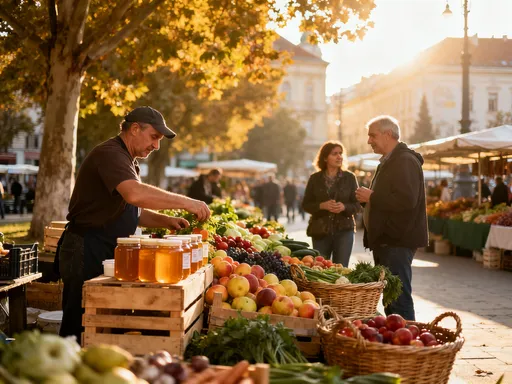
For a true taste of daily life in Nuwara Eliya, the town’s central market is an essential stop. Open from early morning until mid-afternoon, this vibrant hub pulses with color, sound, and aroma. Rows of wooden stalls overflow with seasonal fruits, vegetables, and spices, each pile more vivid than the last. Bright red tomatoes, knobby turmeric roots, and bundles of fresh curry leaves create a visual feast, while the scent of cumin, coriander, and roasted chilies drifts through the air. Vendors call out greetings in Sinhala and Tamil, their voices blending with the chatter of locals haggling over prices and exchanging news.
But the market isn’t just for shopping—it’s a place to eat. Along the outer lanes, small food stalls serve up quick, flavorful bites that reflect the region’s working-class roots. One of the most popular is kottu roti, a dish made by chopping up flatbread with vegetables, eggs, and sometimes chicken or fish, then stir-frying it with spices on a hot griddle. The rhythmic clang of the metal spatula against the flat top is as much a part of the experience as the meal itself. Another favorite is the hopper—a bowl-shaped pancake made from fermented rice batter, often topped with a runny egg or a spoonful of spicy sambal. Crispy at the edges and soft in the center, it’s a satisfying blend of texture and heat.
For those eager to explore without hesitation, the best time to visit the market is between 8:00 and 10:30 a.m., when vendors are fully stocked and the morning light filters through the canopy above. Cash is preferred, and while prices are low by international standards, it’s wise to carry small bills. Travelers should also bring a reusable bag, not only for purchases but to minimize plastic use—a growing concern in environmentally sensitive highland areas. With a little confidence and curiosity, the market becomes more than a meal stop; it’s a gateway to understanding how food sustains community in this highland town.
Colonial-Era Dining: Where History Meets the Table
Scattered among Nuwara Eliya’s pine forests and tea fields are a handful of grand old hotels and cafés that transport visitors to another era. These colonial-style buildings, with their wide verandas, polished wood interiors, and vintage chandeliers, were once retreats for British planters and colonial officials escaping the coastal heat. Today, they’ve been lovingly preserved and reopened as dining destinations where history and hospitality come together on every plate. One need not stay overnight to enjoy them—many welcome day guests for lunch or afternoon tea, offering a chance to dine in elegance without the luxury price tag.
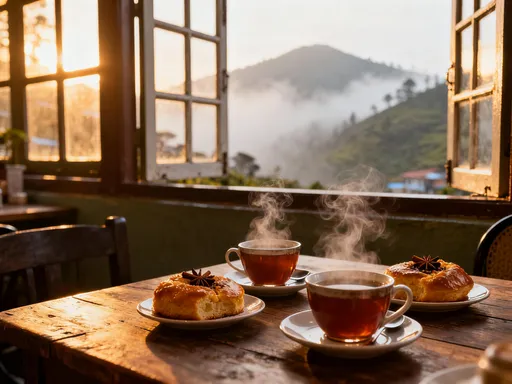
The menu at these heritage spots often blends British classics with Sri Lankan flair. Imagine tucking into a warm chicken and cashew curry served on fine china, followed by a slice of rich chocolate cake dusted with powdered sugar. Afternoon tea service is a highlight, especially at venues like the Grand Hotel or the Hill Club, where guests sip Ceylon tea from porcelain cups while nibbling on warm scones, clotted cream, and house-made strawberry jam. The experience is both refined and relaxed, with staff in crisp uniforms offering quiet attentiveness rather than formality.
What makes these meals special isn’t just the food—it’s the setting. Sitting on a veranda with a view of mist rolling over the hills, or beneath a ceiling fan that spins slowly overhead, one can almost hear the echoes of a bygone time. Yet these spaces are not frozen in the past; they’ve adapted to modern tastes while honoring tradition. Some now offer vegetarian and gluten-free options, and a few have introduced tasting menus that pair local dishes with different tea varieties. For families and older travelers especially, these cafés provide a comfortable, culturally rich dining experience where every detail feels intentional and welcoming.
Hidden Gems: Off-the-Beaten-Path Restaurants
Beyond the well-trodden paths of tourist hotels and market stalls lie some of Nuwara Eliya’s most memorable meals—served in unassuming places with no websites, no signs, and no pretense. These family-run eateries, often tucked into quiet lanes or perched on hillside corners, are known primarily by locals and returning visitors. One such spot, located just off Gregory Road, operates out of a converted bungalow where the owner cooks everything herself, from the coconut sambal to the slow-simmered jackfruit curry. Another, nestled near the golf course, specializes in devilled mushrooms—tender fungi stir-fried with mustard seeds, chilies, and a splash of vinegar for tang.
What these restaurants lack in décor they make up for in flavor and heart. Meals are served on simple metal trays or chipped ceramic plates, and seating might be on wooden benches or plastic chairs under a tarp. Yet the atmosphere is warm, often accompanied by the hum of conversation and the occasional bark of a dog wandering through. Because ingredients are bought fresh each morning and portions are limited, arriving early is key—many places sell out by mid-afternoon. Diners who wait too long might miss out on the honey-glazed river fish, a delicacy cooked with wild herbs and a touch of palm honey harvested from nearby hives.
Finding these spots requires a bit of local knowledge. The best approach is to ask friendly shopkeepers or guesthouse hosts for recommendations, as most don’t appear on maps or travel apps. Some are only reachable by foot or tuk-tuk, adding to their charm. While English menus may not always be available, a smile and a willingness to point at what others are eating go a long way. For travelers seeking authenticity, these hidden kitchens offer more than a meal—they provide a glimpse into the everyday lives of those who call the highlands home.
Tea Experiences That Go Beyond the Cup
While tea tasting is a standard stop on any Nuwara Eliya itinerary, the most memorable experiences go far beyond sipping from a porcelain cup. At select working estates like Pedro or Mackwoods, guided tours now include culinary demonstrations that showcase how tea can transform food. Visitors watch as chefs use finely ground black tea to smoke eggs, infuse custards, or season savory pastries. One standout dish is tea-smoked duck, where the meat is slow-cooked over tea leaves and spices, absorbing a deep, earthy aroma that lingers long after the last bite.
Different tea varieties bring distinct characteristics to cooking. Black tea, robust and malty, pairs well with rich meats and baked goods. Green tea, more delicate and grassy, works beautifully in light desserts like panna cotta or sorbet. Even white tea—rare and subtly sweet—finds its place in glazes and syrups drizzled over fresh fruit or pancakes. During tastings, guides explain how oxidation levels and growing altitudes affect flavor, helping guests understand why a high-grown tea from Nuwara Eliya has a brighter, more floral note than those from lower regions.
Many estates offer hands-on sessions where visitors can try their hand at blending their own tea or preparing a simple tea-infused dish. These interactive elements make the experience especially engaging for families and food enthusiasts. Tours typically last two to three hours and include a walk through the fields, a visit to the processing factory, and a seated tasting with small bites. Tickets are available at the entrance or through local guesthouses, and advance booking is recommended during peak season. By connecting tea to the plate, these experiences deepen appreciation for one of Sri Lanka’s most iconic exports—and remind us that flavor can be grown, not just served.
What to Eat (and Avoid) Based on the Season
One of Nuwara Eliya’s greatest culinary advantages is its seasonal rhythm. The cool, moist climate supports year-round farming, but certain ingredients peak at specific times, making timing key to a memorable food journey. January through March is strawberry season, when local farms burst with ripe, ruby-red berries. During these months, roadside stands sell fresh fruit by the basket, and cafés feature strawberry tarts, jams, and milkshakes. This is also the best time to try homemade strawberry wine, a lightly sweet beverage often served at family-run guesthouses.
The monsoon months, from May to September, bring a different bounty—wild mushrooms. Foraged from damp forest floors and tea fields, varieties like wood ear and oyster mushrooms appear in curries, stir-fries, and soups. Locals prize them for their meaty texture and deep umami flavor, and many small restaurants add seasonal mushroom dishes to their menus during this period. Cooler months, especially December and January, are ideal for dairy-based treats. The cold air helps preserve milk and cream, resulting in richer curd, butter, and even homemade ice cream made with cinnamon and cardamom.
While seasonal eating enhances the experience, travelers should also be cautious of restaurants that cater exclusively to tourists. These venues, often clustered near major attractions, tend to charge higher prices and serve diluted versions of traditional dishes—curries that are less spicy, rice that’s overly polished, and teas that aren’t locally sourced. To avoid disappointment, look for places with handwritten menus, local patrons, or limited seating. Meals eaten during peak hours—lunch between 12:30 and 2:00 p.m., for example—are more likely to be freshly prepared and full of flavor. By aligning visits with the seasons and staying alert to authenticity, travelers can enjoy Nuwara Eliya’s cuisine at its best.
Putting It All Together: A One-Day Food Lover’s Itinerary
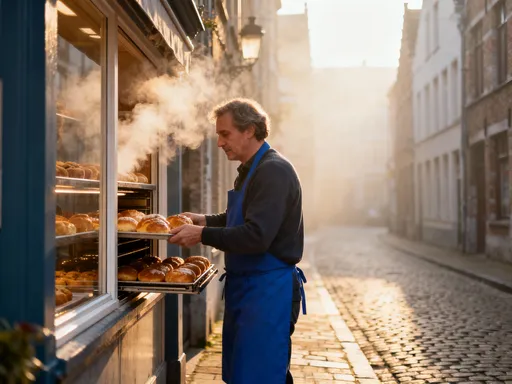
For those with just one day to explore Nuwara Eliya’s culinary landscape, a well-planned route can pack in variety, comfort, and discovery. Begin at sunrise with a visit to a local bakery on Main Street, where the scent of cinnamon and yeast fills the air. Pick up a warm milk bun or a buttery sausage roll—perfect for eating on the go as you stroll through the dew-kissed gardens near Lake Gregory. By 8:30 a.m., head to the central market, where the morning bustle is in full swing. Sample a hopper from a roadside vendor, and don’t miss the fresh jackfruit chunks sold by a woman in a blue sari near the spice section.
By 10:30 a.m., make your way to a heritage café such as The Elephant Room or St. Andrew’s Hotel for a late morning tea and light lunch. Reserve a table on the veranda and order a plate of string hoppers with coconut sambal and a pot of single-origin black tea. After lunch, take a short tuk-tuk ride (about 15 minutes) to the Pedro Tea Estate, where a guided tour begins at 1:30 p.m. Walk through the manicured fields, watch tea leaves being rolled and dried, and end with a tasting that includes tea-infused shortbread and smoked eggs. The entire experience costs under $10 and lasts about two and a half hours.
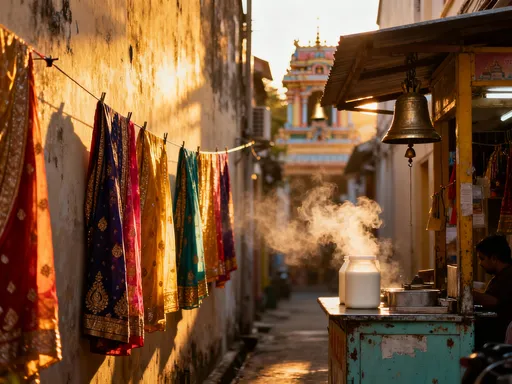
By late afternoon, return to town and seek out a hidden gem for dinner. Arrive by 5:30 p.m. to secure a seat at a small family restaurant near the post office, where the jackfruit curry and red rice are served until they run out. Finish the evening with a warm cup of ginger tea from a street cart, then walk back to your accommodation wrapped in a scarf to ward off the mountain chill. Total food and drink costs for the day should range between $25 and $40, depending on choices. This itinerary balances history, flavor, and comfort—ideal for travelers who want to taste Nuwara Eliya at its most genuine.
Nuwara Eliya’s specialty dining isn’t about fancy restaurants—it’s about warmth, surprise, and connection. Each meal tells a story of altitude, tradition, and cultural blend. By stepping beyond the postcard views and into its kitchens and markets, travelers don’t just eat well—they remember why food is the soul of a journey.