You Won’t Believe These Secret Spots in Lucerne for Epic Landscape Shots
Lucerne isn’t just postcard-perfect—it’s a photographer’s dream shaped by dramatic terrain. Nestled between steep mountains and a shimmering lake, every corner offers something wild and unexpected. I came for the views but stayed for the light, the textures, the silence. If you're chasing raw, untouched landscapes where nature dominates the frame, Lucerne delivers in ways you never imagined. The interplay of water, rock, and sky creates compositions that feel both timeless and immediate. Whether you’re an experienced photographer or simply someone who wants to capture the soul of a place, Lucerne rewards patience, timing, and a willingness to explore beyond the obvious. This is not just about snapping pictures—it’s about bearing witness to nature’s quiet power, one frame at a time.
Why Lucerne’s Terrain Is a Photographer’s Goldmine
Lucerne’s geographical position makes it one of the most visually dynamic cities in Switzerland. Situated where the Alps dramatically descend into the crystal-clear waters of Lake Lucerne, the city offers a rare convergence of natural elements. The juxtaposition of jagged peaks, deep blue water, and lush green foothills creates a layered depth that translates powerfully through the lens. Unlike flatter regions, Lucerne’s topography ensures that no two angles are ever the same. Every elevation shift introduces new contrasts—between shadow and light, stillness and movement, near and far—making it a masterclass in natural composition.
The region’s steep elevation changes play a crucial role in shaping photographic opportunities. As the sun moves across the sky, mountain faces transition from deep shadow to golden illumination within minutes, creating fleeting moments of perfect exposure. The Pilatus massif, rising sharply to over 2,100 meters just southwest of the city, acts as a natural reflector, bouncing soft alpine light onto the lake’s surface during early morning and late afternoon. This phenomenon enhances color saturation and adds dimensionality to wide-angle shots. Photographers who understand these patterns can anticipate how light will sculpt the landscape, allowing them to plan their shoots with precision.
One of the most striking examples of Lucerne’s terrain advantage is the sunrise view from the lakeshore promenade. With the city’s skyline in the foreground and the silhouette of Pilatus rising behind, the scene unfolds in stages. First comes the cool blue hour, when the water mirrors the fading stars. Then, as dawn breaks, warm hues begin to climb the mountain’s eastern flank, gradually igniting the entire ridge. By capturing a sequence of exposures during this transition, photographers can create compelling time-lapse narratives or select a single frame that captures the perfect balance of color and contrast. This daily spectacle is not just beautiful—it’s predictable, repeatable, and deeply rewarding for those who arrive early.
The Magic of Golden Hour Around Lake Lucerne
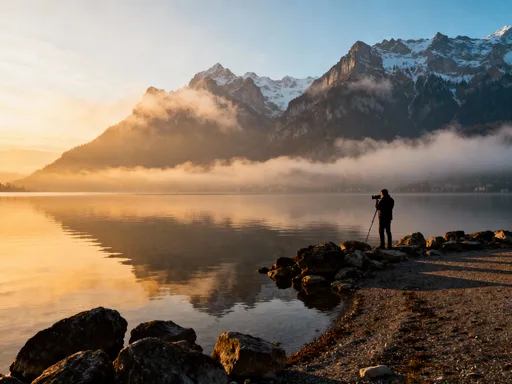
Golden hour—the period shortly after sunrise and before sunset—transforms Lake Lucerne into a living canvas. During these times, the low angle of the sun produces a soft, diffused glow that wraps around the mountains, eliminating harsh shadows and enhancing subtle textures in the rock and water. The lake itself becomes a giant mirror, reflecting the alpine panorama with near-perfect clarity when the wind is calm. This reflective quality doubles the visual impact of any composition, offering symmetrical frames that feel both balanced and awe-inspiring.
For photographers seeking mirror-like water reflections, the eastern and southern shores of the lake provide some of the best vantage points. Areas near Lido am See and the Meggenhorn peninsula are particularly effective due to their sheltered positions, which reduce wave disturbance. Shooting from a low angle—sometimes just inches above the waterline—maximizes the reflective surface in the frame. Using a polarizing filter can further enhance this effect by minimizing glare and deepening the blue tones of the sky and lake. The result is an image that feels expansive and serene, drawing viewers into its stillness.
Timing is essential during golden hour. The optimal window for photography typically lasts 20 to 30 minutes, depending on the season. In summer, sunrise occurs early, often before 6:00 a.m., requiring photographers to arrive well in advance to scout locations and set up equipment. Weather conditions also play a decisive role. Clear skies deliver vibrant oranges and pinks, while a light haze can diffuse the light even further, creating a dreamier, more ethereal mood. Cloud cover, when not too dense, can act as a natural softbox, spreading light evenly across the landscape. Checking local weather forecasts and using apps that predict sun position and light quality can significantly improve planning accuracy.
One often-overlooked factor is the human element. While Lucerne is generally peaceful during early mornings, occasional joggers or boaters can disrupt the tranquility of a shot. Choosing less frequented stretches of shoreline or visiting during the shoulder seasons—late spring or early autumn—can help minimize interruptions. The reward is a pristine, undisturbed scene that captures the lake in its most meditative state. These quiet moments, when the world feels suspended in amber light, are what make Lucerne’s golden hour truly magical.
Hiking to Hidden Vistas: Trails That Lead to Jaw-Dropping Frames
For photographers willing to step off the beaten path, Lucerne’s network of hiking trails offers access to some of the most breathtaking viewpoints in the region. While many visitors stay near the city center, those who venture into the surrounding hills are rewarded with unobstructed panoramas and intimate encounters with alpine nature. Trails leading to Fronalpstock and the ridgelines near Weggis are especially valuable for their combination of accessibility and visual impact. These routes climb gradually through pine forests and alpine meadows before opening onto exposed cliffs where the full sweep of Lake Lucerne unfolds below.
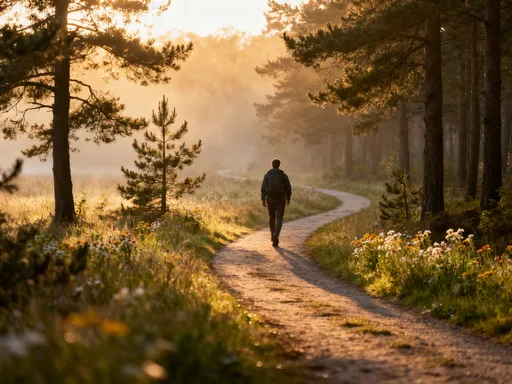
The ascent to Fronalpstock, reachable via a moderate two-hour hike from Lake Ägeri, illustrates how terrain shifts can enhance photographic storytelling. The lower section of the trail winds through dense woodland, where dappled sunlight filters through the canopy, creating natural frames and leading lines. As the elevation increases, the trees thin out, revealing sudden glimpses of distant peaks and mirrored inlets. At the summit, a rocky outcrop provides a 270-degree view of the lake surrounded by encircling mountains. This gradual reveal—from intimate forest scenes to vast open vistas—mirrors the narrative arc of a great photograph, building anticipation and delivering a powerful climax.
Similarly, the paths near Weggis, located on the northern shore of Lake Lucerne, offer quieter alternatives to more popular routes. The trail to Obermurgenthal, for example, climbs gently through vineyards and wildflower fields before reaching a high plateau with direct sightlines to Rigi and Mount Titlis. Because these areas see fewer tourists, photographers can take their time composing shots without distraction. The terrain here is less rugged than in higher alpine zones, making it suitable for families or those with limited hiking experience. Yet the visual rewards are equally impressive, with rolling hills meeting the lake in soft, painterly curves.
When hiking for photography, gear selection is critical. A lightweight tripod is essential for stabilizing long exposures, especially in low-light conditions or when capturing water motion. A wide-angle lens—preferably in the 16–35mm range—allows for expansive compositions that include both foreground interest and distant peaks. Weather changes quickly at altitude, so layering clothing is not just a comfort issue but a safety consideration. Carrying a rain cover for your camera and a microfiber cloth to wipe away moisture ensures that equipment remains functional even in damp conditions. These small preparations make the difference between returning with a few usable shots and coming home with a portfolio of unforgettable images.
Capturing the Rigi and Stanserhorn: Iconic Peaks, Unique Perspectives
Rigi and Stanserhorn stand as two of Lucerne’s most distinctive alpine landmarks, each offering unique photographic possibilities. Known as the “Queen of the Mountains,” Rigi rises in a broad, rounded profile that contrasts with the sharper, more angular form of Stanserhorn. These differences in shape influence how light interacts with their surfaces, creating varied textures and shadow patterns throughout the day. Rigi’s gentle slopes absorb sunlight evenly, producing a soft, glowing effect at sunrise, while Stanserhorn’s jagged ridges cast dramatic, angular shadows that add tension and depth to compositions.
One of the greatest advantages of photographing these peaks is accessibility. Both can be reached via historic cogwheel trains and modern cable cars, eliminating the need for strenuous climbs while still delivering high-altitude perspectives. The Vitznau-Rigi Railway, operating since 1871, carries passengers from the lakeshore to Rigi Kulm in about an hour, offering gradual elevation gain that allows photographers to observe changing light conditions in real time. From the summit, the view stretches across central Switzerland, with Lake Lucerne appearing as a shimmering ribbon below. Shooting from this height introduces a sense of grandeur and scale that is difficult to achieve from ground level.
Stanserhorn, accessible via the CabriO cable car—a double-decker vehicle with an open upper deck—provides an even more immersive experience. The ascent itself becomes part of the photographic journey, with unobstructed 360-degree views developing as the cabin rises. At the top, an observation platform extends over the edge of the mountain, allowing for dramatic downward shots that emphasize the sheer drop into the valley. This vantage point is ideal for capturing long exposures of clouds drifting between peaks or time-lapse sequences that show the slow dance of light and shadow across the landscape.
For creative variety, photographers can experiment with different focal lengths and exposure times. A telephoto lens compresses distant elements, making mountain ranges appear closer and more layered. Using a neutral density filter enables longer shutter speeds, turning fast-moving clouds into silky streaks that enhance the sense of motion. Shooting during the blue hour, when the sky transitions from deep indigo to soft lavender, adds a poetic quality to the images. These techniques, combined with the natural drama of the peaks, allow photographers to move beyond documentation and create art that evokes emotion and wonder.
Urban Meets Wild: Balancing Architecture and Nature in One Frame
One of Lucerne’s most compelling visual themes is the seamless integration of urban life and wild nature. The Chapel Bridge, with its iconic wooden roof and historic paintings, does not stand in contrast to the mountains—it belongs to them. Framed against the backdrop of Pilatus or reflected in the slow-moving waters of the Reuss River, the bridge becomes a harmonious element in a larger natural composition. This blending of human craftsmanship and alpine grandeur offers photographers a rare opportunity to tell dual stories in a single image: one of cultural heritage, the other of untamed wilderness.
To achieve this balance, composition techniques such as leading lines, framing, and depth layering are invaluable. Positioning the bridge diagonally across the frame can create dynamic movement, guiding the viewer’s eye from the foreground into the distant peaks. Using a small aperture (f/11 or higher) ensures that both the architectural details and the mountain backdrop remain in sharp focus. Including elements like swans gliding on the river or autumn leaves floating downstream adds life and context, transforming a static scene into a moment frozen in time.
Night photography presents another dimension of this urban-natural interplay. As the city lights come on, the old town glows warmly against the cool darkness of the surrounding hills. The Chapel Bridge, illuminated from within, casts a golden reflection on the river that mirrors the starlight above. By setting up a tripod near the Jesuit Church or along the lakeside promenade, photographers can capture long exposures that blend city lights, water reflections, and mountain silhouettes into a single, cohesive image. A shutter speed of 10 to 30 seconds smooths the water’s surface, turning ripples into glass and enhancing the dreamlike quality of the scene.
The key to success in these compositions is restraint. Overloading the frame with too many elements can dilute the impact. Instead, focusing on one strong focal point—whether it’s the tower of St. Leodegar Church or a single boat moored near the shore—anchors the image and allows the surrounding landscape to support, rather than compete with, the subject. This careful curation reflects not just technical skill but a deeper understanding of visual storytelling, where every element serves a purpose.
Weather as a Creative Tool: Shooting in Mist, Rain, and Snow
While clear skies are often seen as ideal, Lucerne’s moody weather conditions can be just as valuable for creating evocative images. Overcast skies, far from being a setback, act as a giant softbox, diffusing sunlight and eliminating harsh contrasts. This even lighting is particularly beneficial when photographing reflective surfaces like the lake or capturing fine details in rock textures. The absence of strong shadows allows for greater tonal range in post-processing, giving photographers more flexibility to enhance mood and atmosphere.
Fog, one of the most poetic weather phenomena in the region, has the power to transform familiar landscapes into mysterious, almost surreal compositions. When it rolls in from the lake or settles in the valleys, it obscures distant peaks and flattens depth, creating a sense of isolation and quiet. Trees along the shore may appear as ghostly silhouettes, their forms emerging from the mist like figures in a dream. These conditions invite minimalism—using negative space, simple shapes, and subtle tonal gradients to convey emotion. A single bench by the water, partially hidden in fog, can become a powerful symbol of solitude and reflection.
Shooting in rain or snow introduces additional creative possibilities. Light rain creates delicate ripples on the lake’s surface, adding texture and movement to reflections. Snowfall, especially during the early morning, blankets the city in silence, turning rooftops and trees into soft, white sculptures. These conditions require extra care with equipment, but the results are often worth the effort. Using a rain cover or a large lens hood helps protect the camera, while keeping spare batteries in an inner pocket prevents them from losing charge in the cold.
Safety is equally important. Trails can become slippery under wet or icy conditions, so wearing sturdy footwear with good grip is essential. Staying on marked paths and avoiding steep, unstable areas reduces risk. Photography should never come at the expense of personal well-being. When approached with caution and preparation, however, adverse weather becomes not an obstacle but a collaborator—one that adds depth, mood, and authenticity to the visual narrative.
Putting It All Together: Planning Your Photography Journey
Creating a successful photography journey in Lucerne begins with thoughtful planning. The choice of season significantly influences the type of terrain and lighting available. Summer, from June to August, offers lush greenery, longer daylight hours, and calm lake conditions—ideal for reflections and detailed landscape work. Wildflowers bloom on the hillsides, and hiking trails are fully accessible, making it the most popular time for outdoor photography. Autumn, particularly September and October, brings golden foliage and crisp air, enhancing color contrast and visibility. The reduced number of tourists also means quieter locations and fewer distractions.
Winter, from December to February, transforms Lucerne into a monochrome wonderland. Snow-capped peaks and frozen inlets create stark, high-contrast compositions that emphasize shape and form. The low angle of the winter sun extends golden hour, providing more time for shooting. However, cold temperatures require additional preparation—insulated camera gear, hand warmers, and layered clothing are essential. Early spring, while sometimes wet, offers fresh green growth and melting snow that feeds countless waterfalls, adding dynamic motion to images.
A well-structured itinerary balances transportation, physical activity, and shooting windows. A sample three-day plan might begin with a sunrise shoot at the lakeshore, followed by a morning ride on the Rigi railway. Day two could focus on hiking near Weggis and capturing afternoon light on the water, while day three might include a cable car trip to Stanserhorn for sunset and blue hour photography. Using Lucerne’s efficient public transport system—trains, boats, and buses—makes it easy to move between locations without a car.
In the end, Lucerne’s terrain does more than provide beautiful backdrops—it reshapes how we see and experience nature. Every photograph taken here is not just a record of a place, but a testament to the harmony between earth, water, and sky. For the patient observer, the quiet moment, the perfect light—these are not accidents, but invitations. Lucerne doesn’t just inspire great photos; it teaches us to look deeper, to wait longer, and to find beauty in the stillness between the peaks.