You Won’t Believe These Hidden Trails Just Outside Amsterdam
Who says Amsterdam is just canals and bikes? I ditched the city buzz for a morning hike and stumbled upon serene forests, shimmering lakes, and wildflower meadows—all within an hour of the city. Turns out, the Netherlands has more to offer than tulips and windmills. If you’re craving fresh air and breathtaking views, these off-the-beaten-path scenic spots will blow your mind. Let me show you the quieter, wilder side of this charming country.
Why Hiking Near Amsterdam? The Undiscovered Side of the Netherlands
Amsterdam is world-renowned for its historic canals, vibrant cultural life, and bicycle-friendly streets. Yet just beyond the city limits lies a landscape of surprising natural diversity—rolling woodlands, coastal dunes, wetlands dotted with grazing sheep, and meadows bursting with seasonal blooms. While most visitors confine themselves to the urban center, those who venture a short distance outside discover a peaceful counterpoint to the city’s energy. The Netherlands may be small, but its proximity of urban and rural environments creates a rare opportunity: the ability to experience true wilderness within a short journey from a major European capital.
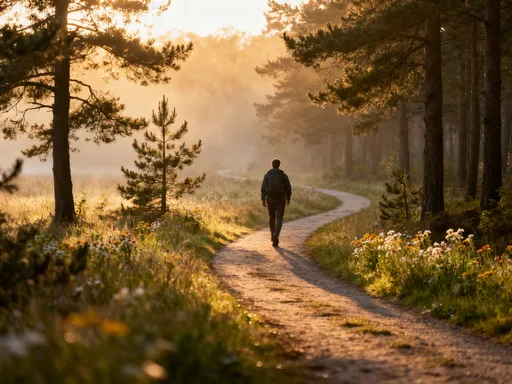
Hiking near Amsterdam offers a refreshing escape from crowded museums and bustling markets. Within 45 minutes by train or bus, travelers can find themselves walking through quiet pine forests where the only sounds are birdsong and rustling leaves. These natural areas are not remote or difficult to access—they are thoughtfully preserved and well-connected, part of a national commitment to green space and outdoor recreation. The Dutch have long valued nature as essential to well-being, and their network of protected areas reflects this philosophy.
What makes these trails especially appealing is their contrast to the city. While Amsterdam thrives on human activity, these natural zones emphasize stillness and simplicity. You won’t find souvenir shops or tour groups here—just wide skies, open fields, and the occasional cyclist or dog walker enjoying the same sense of calm. Whether you're a local seeking weekend solitude or a visitor looking to see another side of the Netherlands, these trails provide a balanced experience of culture and nature.
The accessibility of these hiking destinations also makes them ideal for families, solo walkers, and older adults who want a manageable outdoor adventure without extensive planning. Marked paths, clear signage, and nearby facilities ensure safety and comfort. For women aged 30 to 55—many of whom balance caregiving, work, and personal well-being—these accessible escapes offer a rare chance to reconnect with nature on their own terms. Hiking becomes not just recreation, but renewal.
Best Time to Hike: Seasons, Weather, and Crowd Avoidance
The Netherlands enjoys a temperate maritime climate, meaning weather can change quickly, but extremes are rare. This makes hiking possible year-round, though each season offers distinct advantages. Spring, from late March through May, is especially enchanting. This is when the famous Dutch bulb fields come alive—vivid strips of tulips, hyacinths, and daffodils stretch across the countryside. Areas like the Bollenstreek, south of Amsterdam, burst into color, and nearby trails offer panoramic views of this floral spectacle. Spring also brings milder temperatures and longer daylight hours, perfect for a refreshing morning or afternoon walk.
Summer, spanning June to August, provides the longest days and warmest conditions. Hikers benefit from up to 17 hours of daylight, allowing ample time for extended treks or combining a beach visit with a woodland hike. Coastal parks like Zuid-Kennemerland become particularly inviting, where a walk through the dunes can end with a stroll along the North Sea shore. However, summer also brings more visitors, especially on weekends. To avoid crowds, it’s best to start early—between 7 and 9 a.m.—when the trails are quiet and the air is crisp.
Autumn, from September to November, transforms the landscape with golden beech forests, rustling fallen leaves, and misty mornings that lend a poetic atmosphere to every hike. The cooling temperatures are comfortable for walking, and the reduced number of tourists means greater tranquility. This season is ideal for those who appreciate solitude and the subtle beauty of changing foliage. While rainfall increases in late autumn, proper gear—such as a waterproof jacket and sturdy footwear—makes hiking still enjoyable.
Winter hiking is less common but not discouraged. With shorter days and colder temperatures, trails are often empty, offering a sense of exclusivity. On frosty mornings, the frozen ponds and snow-dusted trees create a fairy-tale setting. However, hikers should be cautious of icy paths and reduced visibility. Layering clothing is essential—moisture-wicking base layers, insulating mid-layers, and a windproof outer shell. Regardless of season, checking the weather forecast through reliable sources like the Royal Netherlands Meteorological Institute (KNMI) is a smart practice. Real-time updates help hikers decide when to go and what to pack.
Amsterdam to Nature: Getting There Without a Car
One of the greatest advantages of hiking near Amsterdam is that a car is not necessary. The Netherlands has one of the most efficient and user-friendly public transportation systems in Europe, making it easy—and affordable—to reach trailheads using trains, buses, and bicycles. For travelers without access to a vehicle, this opens up a world of natural exploration that remains within comfortable reach.
The Dutch national rail service, NS (Nederlandse Spoorwegen), connects Amsterdam to towns surrounding the city with frequent, reliable service. From Amsterdam Centraal Station, direct trains run to key gateway towns like Hilversum, Alkmaar, and Hoorn. A trip to Hilversum, the starting point for hikes in Het Gooi, takes about 25 minutes. From Alkmaar, visitors can transfer to local buses or rent bikes to reach Zuid-Kennemerland National Park. Tickets can be purchased online, at station kiosks, or via the NS app, which also provides real-time schedules and platform information.
Local buses extend access even further. In many cases, a short bus ride from a train station leads directly to a nature reserve entrance. For example, taking the bus from Alkmaar to Bergen aan Zee drops hikers at the edge of the dunes, ready to begin a coastal trek. These regional buses are operated by companies like Connexxion and Arriva, and fares are reasonable—typically under €5 for a one-way trip. Many travelers combine train and bus travel using an OV-chipkaart, a reusable smart card that works across all public transit modes.
Bicycles play a crucial role in completing the journey. Many trailheads are a short bike ride from transport hubs, and the flat Dutch terrain makes cycling accessible even for beginners. NS stations offer bike rentals through OV-fiets, a convenient service that allows travelers to pick up a bicycle with their public transit card. After a day of hiking, cycling back to the station adds to the adventure while keeping the trip fully car-free. This seamless integration of train, bus, and bike reflects the Dutch commitment to sustainable, healthy living—and makes outdoor access inclusive for all.
Top Scenic Hiking Spot #1: Het Gooi – Forests and Countryside Charm
Southeast of Amsterdam lies Het Gooi, a lush, gently rolling region known for its dense forests, country estates, and tranquil lakes. Often described as the green heart of North Holland, Het Gooi offers a surprising contrast to the city’s urban energy. This area is home to some of the most well-maintained and scenic woodland trails in the country, making it a favorite among local hikers and nature lovers. Towns like Hilversum, Bussum, and Laren serve as gateways to an extensive network of marked footpaths that wind through pine, oak, and beech forests.
One of the most popular routes begins near Hilversum and follows the Gooische Stadswandeling, a 12-kilometer loop that passes through shaded woodlands, open heathlands, and quiet residential areas. Along the way, hikers encounter serene bodies of water like the Loosdrechtse Plassen, a series of interconnected lakes popular for boating and birdwatching. The trail is well-marked with yellow arrows and numbered posts, ensuring that even first-time visitors can navigate with confidence.
A highlight of Het Gooi is Mount Woerden, a modest elevation of about 55 meters—the highest point in the immediate Amsterdam region. While not a mountain by global standards, it offers panoramic views of the surrounding forest and distant windmills. On clear days, the city skyline is faintly visible to the west, a reminder of how close nature and urban life truly are. The path to the top is gentle, making it accessible to hikers of all fitness levels.
What sets Het Gooi apart is its atmosphere of quiet elegance. Unlike busier parks, this area maintains a sense of privacy and serenity. You might pass a historic manor house tucked behind tall trees or spot deer grazing at dawn. The region is also known for its biodiversity—woodpeckers, red squirrels, and rare orchids thrive here. For families, there are picnic areas and playgrounds near the trails, making it an ideal destination for a full day outdoors. Het Gooi proves that peace, beauty, and accessibility can coexist just a short train ride from the city.
Top Scenic Hiking Spot #2: Zuid-Kennemerland National Park – Dunes by the Sea
West of Amsterdam, along the North Sea coast, lies Zuid-Kennemerland National Park—a dynamic landscape of shifting sand dunes, salt marshes, and coastal forests. Established in 1995, this protected area spans over 4,000 hectares and offers one of the most unique hiking experiences near the capital. Unlike the flat, cultivated fields of inland Netherlands, this park feels wild and untamed, shaped by wind, sea, and grazing animals. It’s a place where nature takes the lead, and visitors are simply guests.
The park is famous for its herd of Konik horses, hardy semi-wild ponies introduced to manage vegetation naturally. These striking animals, with their gray coats and dark manes, roam freely across the dunes, adding a dramatic element to the scenery. Their presence helps maintain open spaces by preventing shrubs from overtaking the grasslands, supporting native plant and bird species. Hikers often spot them in the early morning or late afternoon, standing silhouetted against the sky.
Trails in Zuid-Kennemerland vary in length and difficulty, but most are flat and well-surfaced, suitable for all ages. A popular route begins in the village of Bloemendaal aan Zee and leads through the heart of the dunes toward the beach. Along the way, wooden boardwalks cross sensitive areas, protecting both the environment and hikers from sinking into soft sand. The sound of crashing waves grows louder as you approach the coast, culminating in a breathtaking view of the North Sea.
What makes this park truly special is its variety. Within a single hike, you can walk through dense woodland, open dune valleys, and along the sandy shoreline. Birdwatchers may spot kestrels, larks, and even the occasional sea eagle. In spring, pink sea thrift and yellow sand pinks bloom across the dunes, creating a carpet of color. Facilities are limited within the park, preserving its natural feel, but restrooms and a visitor center are available near the main entrances. For those seeking a blend of sea air, physical activity, and natural beauty, Zuid-Kennemerland delivers an unforgettable experience.
Top Scenic Hiking Spot #3: Waterland – Wetlands and Village Views
To the north of Amsterdam lies Waterland, a low-lying region defined by its watery landscape—reed beds, narrow creeks, polders, and traditional Dutch villages with historic farmhouses. This area offers a different kind of hiking experience, one that blends natural beauty with cultural heritage. Unlike forests or dunes, Waterland is flat and open, with wide skies and panoramic views that stretch for miles. It’s a place where the rhythm of rural life continues, with cows grazing in green pastures and windmills still used for water management.
Trails in Waterland often follow old dike roads and country paths, connecting villages like Broek in Waterland, Monnickendam, and Marken. These routes are typically flat and well-maintained, making them ideal for relaxed walking or family outings. A favorite loop starts in Broek, a picturesque village known for its white-painted wooden houses with ornate gardens. From there, hikers can follow the dike along the Markermeer, a large freshwater lake, enjoying views of sailboats and flocks of waterfowl.
What makes Waterland unique is its living cultural landscape. The fields and waterways are not just scenic—they are actively managed by farmers and water boards, continuing centuries-old traditions. You’ll see sheep herding, wooden barns, and drainage mills still in operation. Interpretive signs along the trails explain the history of land reclamation and water management, offering educational value alongside the physical experience.
Because of its openness, weather plays a big role in the hiking experience here. On sunny days, the reflections on the water create a shimmering effect, while overcast skies lend a moody, atmospheric quality. Wind can be strong, so wearing a windproof layer is advisable. Despite its proximity to Amsterdam, Waterland feels remote and peaceful, a world away from urban noise. It’s an excellent choice for those who appreciate history, open spaces, and the slower pace of rural life.
What to Pack, Trail Etiquette, and Staying Safe
Preparing for a hike near Amsterdam doesn’t require specialized gear, but a few essentials ensure comfort and safety. A sturdy pair of walking shoes with good grip is the most important item—trails can be muddy after rain, especially in forested or wetland areas. Waterproof hiking boots or trail shoes are highly recommended. Dressing in layers allows hikers to adjust to changing temperatures throughout the day. A moisture-wicking base layer, a warm fleece or sweater, and a windproof and waterproof outer jacket form a reliable system for any season.
Carrying water is essential—aim for at least 500 ml per person, more on warm days. Energy-boosting snacks like nuts, fruit, or granola bars help maintain stamina, especially on longer hikes. A small backpack is useful for carrying these items, along with a phone, map, and any personal needs. While most trails are well-marked, having a physical map or a downloaded offline map on a smartphone provides backup navigation. The app Natuurkalender or the website of Staatsbosbeheer (the national forestry service) can help plan routes and check trail conditions.
Trail etiquette in the Netherlands is straightforward but important. Hikers should stay on marked paths to protect fragile ecosystems, especially in dune and wetland areas. Dogs are welcome on most trails but must be kept on a leash in certain zones, particularly during bird nesting season (March to July). Respecting wildlife means observing from a distance and not feeding animals. Littering is rare but discouraged—Dutch hikers take pride in keeping nature clean, and “leave no trace” is a widely shared value.
Safety is a strength of these hiking areas. Trails are well-maintained and clearly signed with color-coded markers and numbered junctions. In case of emergency, help is never far—most parks have ranger stations, and mobile phone coverage is generally strong. Still, it’s wise to let someone know your route and expected return time, especially if hiking alone. For women traveling solo, these trails are considered safe, with regular foot traffic and visible access points. The combination of accessibility, clear signage, and community stewardship makes hiking near Amsterdam a reassuring and empowering experience.
Conclusion
Hiking near Amsterdam isn’t just possible—it’s magical. These scenic escapes prove that nature and city life can coexist beautifully. Whether you're after quiet woods, coastal dunes, or rustic wetlands, the Netherlands delivers. The trails around Het Gooi, Zuid-Kennemerland, and Waterland offer accessible, well-maintained paths that invite exploration at any age or fitness level. With just a train ticket and a sense of adventure, you can step off the tourist trail and into a world of fresh air, natural beauty, and peaceful solitude.
For women who juggle responsibilities and long for moments of calm, these hikes provide a meaningful way to recharge. There’s something deeply grounding about walking through a forest, feeling the sea breeze on your face, or watching horses graze in a misty field. These experiences are not extravagant or far-flung—they are close, simple, and profoundly restorative.
The Netherlands may be small, but its natural offerings are rich and varied. You don’t need to travel to distant mountains or remote wilderness to find beauty and serenity. Sometimes, the most transformative journeys begin with a short train ride and a pair of comfortable shoes. So lace up your boots, pack a light bag, and step into the quieter side of this vibrant country. Your next breath of fresh air is closer than you think.