You Gotta Taste This: Salzburg’s Best Food Markets and Hidden Eaters
If you think Salzburg is just Mozart and mountains, wait until you taste the real magic. I’m talking fresh pretzels warm from the oven, creamy kaiserschmarrn drizzled with apricot jam, and markets bursting with alpine cheese and smoked meats. Beyond the postcard views, Salzburg’s food scene thrives in bustling markets, family-run delis, and cozy bakeries most tourists walk right past. This is where locals eat — and now, so can you.
The Heartbeat of Salzburg: Exploring the Stadtmarkt
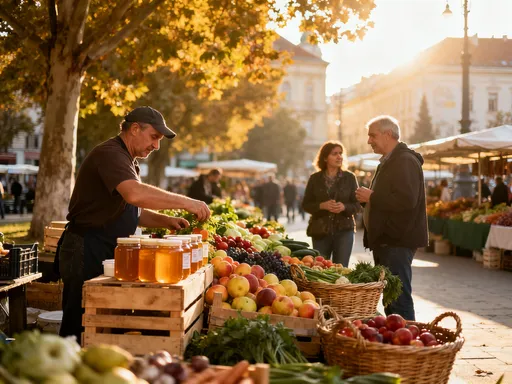
Situated in the shadow of the Hohensalzburg Fortress, the Stadtmarkt is not merely a market — it’s a living pulse of daily life in Salzburg. Open every Tuesday, Thursday, and Saturday from early morning until early afternoon, this vibrant stretch along the Altstadt’s Linzergasse transforms the historic city center into a sensory celebration of Alpine abundance. Locals weave through stalls laden with golden-yellow butter from Tyrolean dairies, bunches of wild mountain herbs still dusted with morning dew, and baskets of just-harvested strawberries when in season. The air hums with the scent of fresh bread, raw milk cheese, and smoky paprika-spiced sausages.
What sets the Stadtmarkt apart is its authenticity. Unlike souvenir-laden tourist zones, this is a place where Salzburgers do their weekly shopping. Vendors are often farmers or artisans who travel from surrounding villages, bringing produce grown on alpine slopes and livestock raised on clean mountain pastures. You’ll find heirloom potatoes, hand-rolled spätzle, and jars of honey infused with alpine flowers like edelweiss and gentian. The cheese stalls alone are worth a visit — look for Salzburger graukäse, a pungent, low-fat cheese with centuries of tradition, often served with dark rye bread and raw onion.
Arriving early — ideally between 7:30 and 9:00 a.m. — ensures access to the freshest selections and the most relaxed atmosphere. By 10:30, the market swells with both locals and curious travelers, creating a lively but manageable buzz. Vendors are friendly and accustomed to visitors, often offering small samples if you show genuine interest. While most signs are in German, many sellers understand basic English, especially those who have participated in regional food fairs. Bringing a reusable tote bag not only aligns with local eco-habits but also shows respect for the care these producers put into their goods.
One of the quieter joys of the Stadtmarkt is observing the rhythm of local life. Elderly couples debate the ripeness of tomatoes, young mothers compare notes on organic baby food, and chefs from nearby restaurants inspect cuts of venison or bundles of fresh chanterelles. This is not performance — it’s participation. For the visitor, the market offers a rare opportunity to step into the everyday, to taste what Salzburgers truly eat, and to carry home more than souvenirs: stories, flavors, and connections.
More Than Mozart: Food Culture in a Musical City
Salzburg’s identity is often reduced to its musical genius — the birthplace of Mozart, host of the annual festival, a city where every cobblestone seems to echo with classical notes. Yet beneath the symphonies lies a culinary tradition just as rich, shaped by geography, history, and the seasons. The city’s food culture is not an afterthought; it is a continuation of the same artistic sensibility that produced operas and concertos — one rooted in precision, harmony, and deep respect for tradition.
The cuisine of Salzburg reflects its position at the crossroads of German, Austrian, and Italian influences, tempered by the realities of alpine living. Historically, the region was defined by scarcity during long winters, which led to preservation techniques like smoking, drying, and fermenting. These methods gave rise to staples such as speck (smoked bacon), dried sausages, and aged cheeses — ingredients still central to today’s dishes. At the same time, the wealth of the prince-archbishops introduced refined cooking styles, evident in delicate pastries and elaborate meat preparations.
Dishes like kasnocken — soft egg dumplings mixed with fried onions and melted cheese — embody this duality. Simple in origin, born in farmhouses where leftover bread and cheese needed repurposing, they are now served in upscale restaurants with truffle shavings or wild herbs. Similarly, schnitzel, while popular across Central Europe, takes on a distinct Salzburg character when made with locally sourced pork and served with a side of rösti instead of potatoes. Even the famous kaiserschmarrn, a shredded pancake often flavored with raisins and dusted with powdered sugar, originated as a frugal way to use leftover dough — now it’s a celebrated dessert, sometimes elevated with homemade plum compote or vanilla sauce.
What’s remarkable is how food and music coexist in daily rituals. A morning coffee at a traditional café might come with a Mozartkugel, linking taste to cultural legacy. Sunday family meals often begin with a shared loaf of bread and a toast to health — a quiet moment of unity not unlike the hush before a concert begins. In this way, Salzburg’s culinary traditions are not just about sustenance; they are about continuity, celebration, and belonging. To eat here is to take part in a centuries-old performance, one where every bite carries meaning.
Hidden Pantries: Small Grocery Gems Loved by Locals
Away from the main squares and souvenir shops, tucked into narrow alleyways and quiet courtyards, Salzburg hides a network of small grocery stores that serve as the true pantries of the city. These are not supermarkets with fluorescent lights and conveyor belts, but intimate, carefully curated spaces where quality trumps quantity and personal service is the norm. For the discerning traveler, these shops offer a more authentic — and often more rewarding — experience than any market or restaurant.
One such gem is a family-run delicatessen near the St. Peter’s Cemetery, where wooden shelves are lined with hand-labeled jars of pickled vegetables, artisanal mustards, and imported olives from the Mediterranean. The owner, a third-generation grocer, greets regulars by name and offers recommendations based on what’s fresh or what pairs well with a particular cheese. Here, you can find aged Bergkäse wrapped in parchment, jars of house-made liverwurst, and small-batch apple vinegar from orchards in the Flachgau region. The shop accepts both cash and card, though many locals still prefer coins for small purchases — a small cultural detail worth noting.
Another favorite among residents is a biodynamic grocery tucked behind a medieval archway near the Nonnberg Abbey. This shop specializes in organic and regionally sourced products, from spelt flour milled in nearby towns to plant-based milks made from locally grown oats. Shoppers fill cloth bags with loose grains, dried lentils, and fair-trade coffee beans, while children reach for homemade fruit leathers or honey-sweetened granola. The emphasis is on sustainability and transparency — every product has a story, often written on a small card beside it.
What makes these shops special is their role in community life. They are places where neighbors meet, where recipes are exchanged, and where seasonal changes are marked by new arrivals — morel mushrooms in spring, chestnuts in autumn, herbal teas in winter. Many offer samples, especially of cheeses or cured meats, encouraging visitors to taste before buying. While English is not always spoken fluently, a smile and a pointed finger go a long way. These hidden pantries may not be on any tourist map, but they are where Salzburg’s culinary soul truly resides.
Bakeries That Rise Above: Morning Rituals in Salzburg
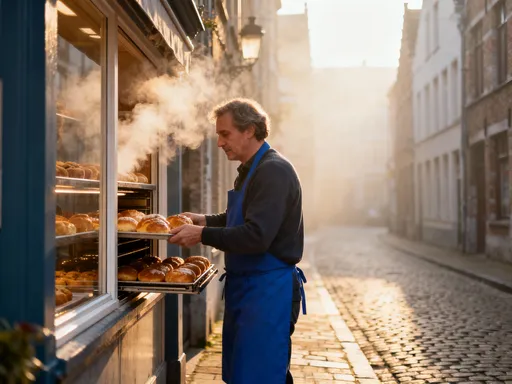
In Salzburg, the day begins not with coffee alone, but with bread — warm, fragrant, and often still steaming from the oven. The city’s bakeries are more than places to buy pastries; they are institutions of daily ritual, where the craft of baking is honored with the same seriousness as music or architecture. From the crack of dawn, bakers knead, shape, and fire their ovens, producing loaves and treats that define the morning for both locals and observant visitors.
One of the most beloved traditions is the early visit to a neighborhood bakery for a buttery, flaky croissant or a plump, sugar-dusted krapfen — the Austrian cousin of the jelly doughnut. But beyond these indulgences, Salzburg’s bread culture is deeply rooted in variety and quality. You’ll find dense, multi-grain rye loaves studded with sunflower and pumpkin seeds, crusty farmhouse breads baked in wood-fired ovens, and soft milk rolls perfect for spreading with homemade jam. Each type has its place — rye for hearty sandwiches, white rolls for delicate cold cuts, and sweet brioche-like zopf for Sunday mornings.
A standout among the city’s bakeries is a centuries-old establishment near the Mirabell Gardens, where the same family has baked for over 150 years. Their signature item, a braided challah-style loaf brushed with egg wash and sprinkled with poppy seeds, draws customers from across the city. The shop opens at 6:00 a.m., and by 8:00, the best selections are often gone. Locals know to arrive early or call ahead to reserve a loaf. The bakers, dressed in white aprons and caps, work in silence, their hands moving with practiced precision — a quiet ballet of flour and fire.
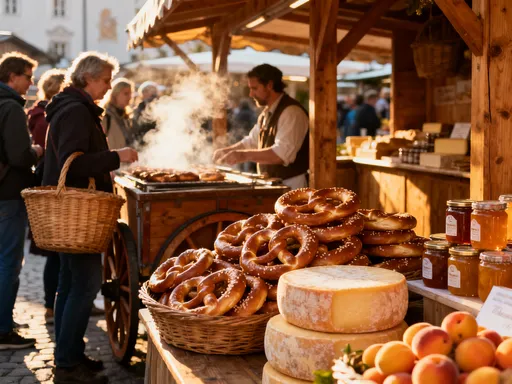
For visitors, the bakery experience is both sensory and cultural. The scent of caramelizing sugar and toasted grains lingers in the air. The counter displays are arranged like art installations — golden pretzels twisted into perfect loops, fruit tarts glazed to a high shine, and rows of muffins studded with berries. Most shops offer takeaway, and many encourage customers to enjoy their purchase on a nearby bench with a coffee from a neighboring café. This simple act — eating fresh bread in the morning sun — is one of the quietest, most profound pleasures of Salzburg life.
Cheese, Meat, and More: Specialty Shops Worth Hunting Down
Salzburg’s reputation for dairy and charcuterie is no secret among Austrians, but it often goes unnoticed by international travelers. For those willing to seek them out, the city’s specialty food shops offer a masterclass in Alpine craftsmanship. These are not generic delis, but focused boutiques where every product is selected for its origin, quality, and story. From cave-aged cheeses to hand-smoked trout, these shops celebrate the slow, intentional production that defines regional cuisine.
One of the most prized products is Salzburger bergkäse, a semi-hard mountain cheese made from raw cow’s milk in alpine dairies during the summer months. Aged for at least four months, it develops a nutty, slightly tangy flavor with a firm yet creamy texture. The best bergkäse is sold in small cheese shops where the staff can tell you exactly which pasture the cows grazed on and which hut produced the batch. Some shops even offer guided tastings, pairing different ages of the cheese with local wines or apple cider.
Equally impressive are the charcuterie selections. Salzburg’s cold cuts include landjäger — fermented sausage sticks perfect for hiking — and rosetten, a spiced beef salami with a deep red hue. Many shops source directly from family-run smokehouses in the Pongau and Lungau regions, where recipes have been passed down for generations. The meats are often air-dried or cold-smoked over beechwood, preserving their flavor without overpowering them.
Fish lovers should not overlook the smoked trout available from lakes like Zeller See and Wolfgangsee. Delicate and rich, the fish is lightly salted and smoked over alder wood, then vacuum-packed for freshness. It makes an excellent addition to a picnic or a quick lunch with bread and onion. These specialty shops often double as small eateries, offering simple plates of cheese and meat boards with pickles and mustard. They are ideal for a midday break — nourishing, authentic, and deeply satisfying.
Sweet Endings: Chocolatiers and Confectioneries That Deliver Joy
No visit to Salzburg is complete without encountering the city’s sweet legacy — most famously, the Mozartkugel. Named after the composer, this chocolate confection consists of a marzipan center, wrapped in nougat, and coated in dark chocolate. While mass-produced versions fill gift shops, the true experience lies in visiting the original confectioneries where they are still made by hand. Here, chocolate is not just a treat; it is an art form, shaped with precision and care.
One of the oldest chocolatiers in the city, founded in the late 19th century, continues to produce Mozartkugeln using the original recipe. Watching them being made — each layer applied by hand, each ball polished to a glossy finish — is a mesmerizing process. Visitors can tour the small workshop and, of course, taste the freshest version imaginable. The flavor is balanced — not too sweet, with a rich chocolate depth and a soft, nutty interior. These are the ones worth bringing home.
But Salzburg’s sweet scene extends far beyond this iconic sphere. Hidden studios and family-run boutiques craft hand-painted pralines in flavors like elderflower, alpine strawberry, and spiced honey. Some use organic cocoa and fair-trade ingredients, while others experiment with local herbs and fruits. One confectioner near the Linzergasse creates seasonal collections — winter truffles with mulled wine reduction, spring bonbons with fresh rhubarb, and autumn chocolates infused with chestnut cream.
What sets these chocolatiers apart is their attention to detail and their connection to place. Many source their cocoa from ethical cooperatives but flavor their creations with ingredients from Salzburg’s own landscape. The result is a fusion of global craftsmanship and local identity. For visitors, a stop at one of these shops is more than a sugar fix — it’s a sensory journey through the city’s creative spirit. Whether you choose a single praline or a curated box, you’re not just buying chocolate. You’re taking home a piece of Salzburg’s soul.
Putting It All Together: A Food Lover’s Itinerary for Salzburg
With so much culinary richness, it’s easy to feel overwhelmed. The good news is that Salzburg is compact and walkable, making it possible to design a perfect food-focused day without rushing. Start early at the Stadtmarkt on a Saturday morning, when the stalls are fullest and the atmosphere most vibrant. Bring a small bag and allow time to browse — pick up a jar of local honey, a wedge of bergkäse, and a freshly baked pretzel for an on-the-go breakfast.
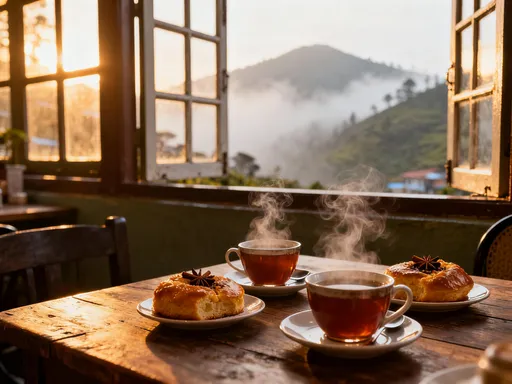
From there, walk ten minutes to a historic bakery near the cathedral. Arrive by 8:30 to secure a still-warm krapfen or a slice of apple strudel. Enjoy it with a melange — the Austrian version of a cappuccino — at a nearby café. Afterward, head to a specialty deli for a mid-morning snack. Order a small board of cured meats and cheese, perhaps with a side of pickled vegetables, and savor it slowly.
By noon, visit one of the hidden grocery gems in the Altstadt. Let the owner guide you to pantry staples like herbal teas, organic jams, or handmade pasta. Many of these shops offer gift wrapping, making them ideal for souvenirs. In the early afternoon, stop by a chocolatier for a tasting and a small box of pralines. If you’re still hungry, a simple lunch of open-faced sandwiches at a family-run deli will keep you going.
Keep in mind practical details: most markets and small shops close by 6:00 p.m., and many are closed on Sundays. While larger stores accept credit cards, smaller vendors often prefer cash, so carry some euros in small denominations. Don’t be afraid to point or use simple phrases — Germans are generally patient with language efforts. And always say “danke” — gratitude opens more doors than fluency.
By the end of the day, your bag will be full, but so will your heart. You’ll have tasted Salzburg not as a spectator, but as a participant. This is not tourism measured in photos, but in flavors remembered — the salt of a smoked sausage, the sweetness of a fresh berry, the warmth of bread shared.
Salzburg’s soul isn’t just in its spires or symphonies — it’s on the plate, in the market basket, and shared over a loaf of warm bread. By exploring its food-centered shopping spots, you don’t just visit — you connect. This is travel that feeds more than curiosity. It feeds memory.