You Won’t Believe What These Walls Have Seen – Sibiu’s Landmarks Speak
Walking through Sibiu feels like stepping into a living storybook. The cobblestone streets whisper history, and the buildings? They don’t just stand there — they talk. From fortified churches to rooftops with eyes, every landmark holds a secret. I didn’t expect to feel so connected to a city’s soul, but here, architecture isn’t just stone and wood. It’s memory carved in façades, resilience in every beam. This is more than sightseeing — it’s time travel with your feet on the ground.
The Heartbeat of Old Town: Brukenthal Palace & the Grand Square
Sibiu’s Piața Mare, or Grand Square, is the city’s historic and emotional core. Laid out in the 14th century, this expansive plaza has served as a marketplace, a gathering place for town councils, and a stage for public celebrations. Surrounded by colorful, two- and three-story buildings with Germanic architectural influences, the square pulses with life. At its center stands the Brukenthal Palace, a masterpiece of Baroque design and one of the most significant cultural landmarks in Romania. Completed in the late 18th century under the direction of Samuel von Brukenthal, the Habsburg governor of Transylvania, the palace now houses the Brukenthal National Museum, which includes an impressive collection of European art, rare books, and period furnishings.
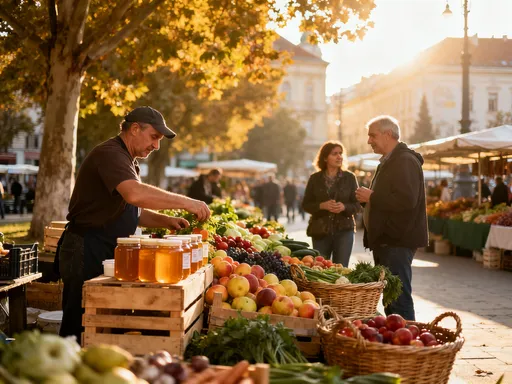
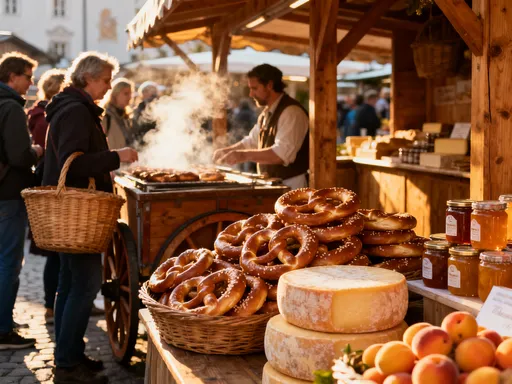
The architecture of the Grand Square reflects centuries of cultural exchange. The pastel-hued facades, ornate doorways, and wrought-iron signs evoke a Central European charm, a legacy of the city’s Saxon heritage. Yet today, the square is far from a static monument. It is a living space where locals sip coffee at outdoor cafés, children chase pigeons, and horse-drawn carriages clip-clop across the cobblestones during weekend tours. The scent of fresh bread drifts from traditional bakeries, while seasonal markets fill the air with the aroma of roasted chestnuts and mulled wine. This seamless blend of history and daily life is what makes Sibiu so special — a city that honors its past without being trapped by it.
Preservation efforts have ensured that renovations respect original materials and design. Strict urban planning regulations govern façade colors, window styles, and signage, maintaining visual harmony. At the same time, modern life thrives within this historic shell. The Grand Square hosts concerts, art exhibitions, and cultural festivals, including Sibiu’s renowned International Theatre Festival, which draws performers and visitors from across Europe. This balance between authenticity and adaptability is a model for other historic cities navigating the challenges of urban renewal.
Houses That Watch You Back: The Famous “Eyes” of Sibiu’s Roofs
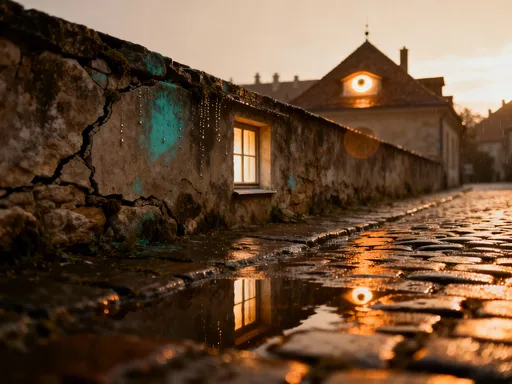
One of Sibiu’s most enchanting architectural quirks is its “eyes” — small, oval attic windows that dot the rooftops of the old town. These whimsical features, nestled under red-tiled roofs, resemble watchful eyes peering down from above. While charming in appearance, they were born of practical necessity. During the 18th and 19th centuries, Saxon homeowners built their attics with wooden shingles that were highly flammable. To prevent moisture buildup and reduce fire risk, they installed these small openings for ventilation. Over time, the shape and positioning gave rise to the affectionate nickname “the eyes of Sibiu.”
Today, these eyes have become a powerful symbol of the city’s identity. Locals joke that the houses are always watching, ensuring no mischief goes unnoticed. This blend of humor and heritage has been embraced in tourism campaigns, souvenirs, and even city branding. The eyes appear on postcards, restaurant menus, and public art installations, reinforcing a sense of civic pride. More importantly, their preservation is taken seriously. Restoration projects ensure that new roofing work maintains the traditional design, using skilled craftsmanship to replicate the original wooden frames and shingle patterns.
The cultural significance of the “eyes” extends beyond aesthetics. They represent a philosophy of thoughtful adaptation — honoring function while embracing charm. In a world where historic architecture is often replaced by generic modern structures, Sibiu’s commitment to retaining these small details sends a powerful message. It shows that a city can modernize without losing its soul. Walking beneath these watchful rooftops, one can’t help but feel a quiet companionship, as if the city itself is greeting you, remembering your footsteps, and inviting you to look closer.
Lutheran Cathedral of Saint Mary: A Fortress of Faith and History
Rising above the northern edge of the old town, the Lutheran Cathedral of Saint Mary is a testament to both spiritual devotion and architectural resilience. Construction began in the 14th century, during the height of Saxon settlement in Transylvania, and continued in phases over several hundred years. Built in the Gothic style, the cathedral features pointed arches, ribbed vaults, and a towering spire that once served as a watchtower. Its thick stone walls and elevated position were not only symbolic of faith but also practical — designed to withstand sieges and protect the community during times of conflict.
The cathedral’s interior is a study in solemn beauty. Sunlight filters through stained-glass windows, casting kaleidoscopic patterns on the stone floor. Rows of wooden pews face an ornate altar, while centuries-old frescoes, though partially faded, still convey biblical narratives with striking clarity. One of the cathedral’s most treasured features is its library, housed in an adjacent building, which contains over 160,000 volumes, including rare theological manuscripts and historical documents dating back to the Reformation. These texts offer invaluable insights into the intellectual and religious life of Transylvanian Saxons.
Climbing the narrow staircase to the tower rewards visitors with one of the most breathtaking views in Sibiu. From the top, the city unfolds in a patchwork of red roofs, winding streets, and distant mountain silhouettes. On clear days, the Southern Carpathians rise on the horizon like a protective barrier. This vantage point is more than scenic — it is historical. Centuries ago, watchmen stationed here would have scanned the landscape for approaching threats, ringing the alarm bell at the first sign of danger. Today, the same view invites reflection on how faith, community, and vigilance have shaped this city’s enduring spirit.
The Council Tower: Power, Punishment, and Perspective
Standing at the entrance to the Grand Square, the Council Tower is one of Sibiu’s oldest and most imposing structures. Originally built in the 13th century as part of the city’s defensive walls, it later became the seat of civic authority. For centuries, it housed the city council, courtrooms, and even a prison. Its lower levels contained dark, damp dungeons where accused criminals awaited trial — some never leaving alive. The tower’s history is a reminder that justice in medieval times was often swift, severe, and deeply intertwined with power.
Visitors today can climb the steep, winding staircase to the top, where a panoramic view awaits. The ascent is narrow and dimly lit, evoking the somber atmosphere of its past. Yet, emerging into the open air at the summit transforms the experience. The entire city layout becomes visible — the concentric rings of the upper and lower towns, the network of fortified walls, and the strategic placement of gates and towers. This perspective offers more than just a photo opportunity; it provides insight into how Sibiu was designed for defense and community cohesion.
The Council Tower’s evolution from a symbol of judicial authority to a public viewpoint mirrors Sibiu’s broader transformation. Once a place of fear and punishment, it is now a place of learning and connection. Interpretive panels along the climb explain the tower’s history, including the types of crimes prosecuted and the social hierarchy of medieval Sibiu. Families, students, and tourists ascend daily, not to face judgment, but to gain understanding. In this way, the tower has been reclaimed — not as a monument to power, but as a bridge between past and present.
Liar’s Bridge & the Promenade: Where Stories Are Tested
Spanning a deep gap between two fortified walls, the Liar’s Bridge is one of Sibiu’s most photographed and talked-about landmarks. This covered wooden footbridge, part of the city’s 16th-century defense system, connects the upper town to the lower town. Its name comes from a local legend: it was said that if a person told a lie while standing on the bridge, the wooden planks would creak loudly, exposing the falsehood. While the acoustic phenomenon is likely due to the bridge’s age and construction, the story endures as a playful nod to honesty and community trust.
Beyond its folklore, the Liar’s Bridge serves as a gateway to the Promenade, a scenic walkway built along the remains of Sibiu’s medieval fortifications. Once a military rampart, this elevated path now offers shaded strolls, garden views, and quiet benches shaded by chestnut trees. In spring, blooming flowers line the walk; in autumn, golden leaves drift onto the stone paths. The transformation of a defensive structure into a public park reflects Sibiu’s commitment to repurposing history for communal well-being.
The Promenade is more than just a pleasant walk — it’s a living museum of military architecture. Remnants of bastions, gunpowder storage rooms, and watchtowers are preserved and labeled, allowing visitors to trace the city’s defensive evolution. School groups often visit for history lessons, while locals use the path for morning walks or evening relaxation. This blend of education and everyday life ensures that history is not confined to books or museums, but woven into the rhythm of the city.
Beyond the Center: Hidden Gems in the Suburbs
While the old town captures most visitors’ attention, Sibiu’s suburbs hold their own quiet treasures. Just a short walk from the historic center, the Orthodox Cathedral of Saint Nicholas stands as a testament to the city’s multicultural past. Built in the 18th century, its blue domes and intricate iconography contrast with the Germanic architecture of the upper town, reflecting the presence of Romanian, Greek, and Armenian communities. Though smaller in scale than some of Europe’s grand cathedrals, its interior radiates warmth and devotion, with flickering candles and hand-painted icons that have survived generations.
Another hidden gem is the Sub Arini Park, once the site of a 19th-century fortress gate. Today, it is a lush green space where families gather for picnics, children play, and seniors sit on benches reading newspapers. At its entrance, the restored stone archway serves as a reminder of the city’s expanding boundaries and changing needs. Nearby, former military barracks have been converted into art studios, craft workshops, and cozy cafés, demonstrating how historic buildings can adapt to modern uses without losing their character.
These suburban spaces reveal a different side of Sibiu — one that is less polished but equally authentic. They show how a city can grow without erasing its layers. Adaptive reuse projects, supported by municipal grants and EU funding, ensure that old structures remain functional and relevant. A former schoolhouse becomes a design museum; a 19th-century warehouse hosts a contemporary art gallery. Each transformation honors the past while embracing the future, proving that heritage and innovation are not opposites, but partners.
Why These Buildings Matter: Preserving Identity in Modern Europe
Sibiu’s success in preserving its architectural heritage while remaining a vibrant, livable city offers valuable lessons for urban planners and communities across Europe. Unlike some historic towns that become frozen museum pieces, Sibiu has managed to balance conservation with evolution. This achievement is not accidental. It is the result of decades of dedicated effort — from local authorities, heritage organizations, and, most importantly, residents who see these buildings not as relics, but as part of their daily lives.
European Union funding has played a crucial role, supporting restoration projects, infrastructure upgrades, and cultural initiatives. However, money alone cannot save a city’s soul. What truly makes the difference is community involvement. Local residents participate in preservation committees, volunteer for clean-up days, and support businesses that respect historic character. This grassroots commitment ensures that conservation is not imposed from above, but grows from within.
Moreover, Sibiu demonstrates that authenticity attracts people. Since being named a European Capital of Culture in 2007, the city has seen a steady increase in tourism, cultural investment, and international recognition. Yet, it has avoided the pitfalls of over-commercialization. There are no neon signs, no chain hotels in the old town, no Disneyland-style attractions. Instead, visitors come to wander, to listen, to feel the weight of centuries in the stones beneath their feet.
These buildings matter because they are more than structures — they are storytellers. They speak of resilience during invasions, of craftsmanship passed through generations, of communities that valued both defense and beauty. They remind us that identity is not built in a day, but layer by layer, stone by stone. In an age of rapid change, Sibiu stands as a quiet example of how to move forward without forgetting where you came from.
To the traveler, Sibiu offers more than a checklist of sights. It offers a conversation with time. So come not just to see the “eyes” on the roofs or climb the Council Tower. Come to listen. Stand in the Grand Square at dawn, when the city is still and the light touches the Brukenthal Palace in gold. Walk the Promenade as the bells toll from Saint Mary’s. Let the walls tell you their stories. Because in Sibiu, every brick has a voice — and if you’re still enough, you just might hear it.