Hiking Through Red Rocks and Finding Hidden Gems Beyond the Trail
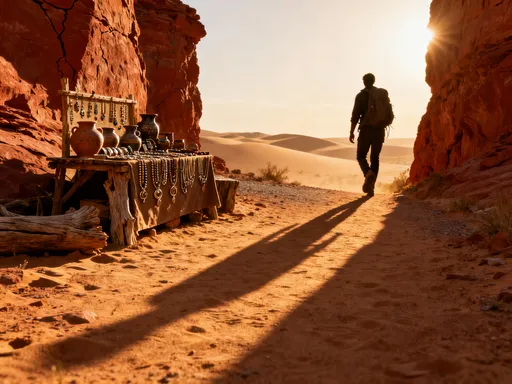
You know that feeling when you think a national park is just about trails and views—then you stumble upon something totally unexpected? I went to Arches National Park for the hikes, but left obsessed with the little shopping spots tucked just outside the gates. Turns out, the adventure doesn’t end where the trail does. From handcrafted souvenirs to local stories woven into every item, the real magic often lies just off the beaten path. This quiet revelation—that travel is as much about connection as it is about scenery—transforms a simple trip into something lasting. The red rocks may dominate the landscape, but the human touch just beyond the park boundary adds depth, meaning, and warmth to the journey.
Why Arches National Park Is More Than Just Hiking
Arches National Park, located in the southeastern corner of Utah, is globally celebrated for its otherworldly geology. With over 2,000 documented natural stone arches carved by wind and water over millions of years, it stands as one of the most visually striking desert landscapes in North America. Iconic hikes like the Delicate Arch Trail, the Devils Garden Primitive Loop, and the Windows Section draw visitors from around the world, each path offering panoramic views of red rock spires, balanced formations, and vast canyon vistas. The park’s trails are well-maintained, clearly marked, and designed to immerse hikers in the raw beauty of the Colorado Plateau.
Yet, while the hiking experience is undeniably powerful, reducing Arches to a checklist of trails and photo opportunities overlooks a deeper dimension of the visit. The surrounding region, particularly the town of Moab, functions as a cultural and experiential extension of the park itself. Moab is not merely a place to refuel or rest—it is an integral part of the journey. Nestled along the banks of the Colorado River and surrounded by high desert mesas, Moab has long served as a gateway for outdoor enthusiasts. Its history as a mining and ranching community blends seamlessly with its modern identity as a hub for adventure tourism, conservation, and local artistry.
What makes Moab special is its authenticity. Unlike commercialized tourist towns that rely on mass-produced souvenirs and chain restaurants, Moab retains a grounded, community-oriented spirit. Many of the businesses are locally owned, often by people who have lived in the area for generations or who moved there specifically to be close to the land. Their connection to the landscape is personal, not performative. This authenticity radiates through the town’s storefronts, galleries, and cafes, offering travelers a chance to engage with the region beyond its geological wonders.
Moreover, the proximity of Moab to Arches creates a natural rhythm for the visitor’s day. Hikers often begin early in the park, catching sunrise at Delicate Arch or completing a mid-morning loop before the desert heat intensifies. By late morning or early afternoon, they return to town—thirsty, tired, and emotionally full. This is when Moab reveals its quieter magic. A stop at a local coffee shop, a browse through a curated gift boutique, or a conversation with a shop owner can feel like a continuation of the trail, where the energy of the wilderness flows into human expression. The transition from trail to town becomes part of the experience, not a departure from it.
How Hiking Shapes Your Perspective (And Spending)
Spending hours on the trails of Arches does more than build physical endurance—it reshapes the way you see and value things. The desert environment, with its stark beauty and subtle details, encourages a slower, more attentive form of observation. As you walk across sun-baked sandstone, your eyes begin to notice textures, patterns, and colors that might go unnoticed in a faster-paced setting. The striations in a rock wall, the way light shifts across a canyon at different times of day, or the resilience of desert plants clinging to cracks in the stone—all of these details heighten your sensory awareness.
This heightened perception carries over when you step into a shop. Instead of seeing souvenirs as mere trinkets, you start to appreciate the craftsmanship behind them. A piece of Native American jewelry, for example, is no longer just a shiny object; it becomes a reflection of cultural heritage, geological history, and artistic tradition. The silver may echo the color of desert moonlight, the turquoise could mirror the sky above Canyonlands, and the hand-stamped designs might resemble the patterns found in ancient petroglyphs. What once might have been an impulse buy now feels like a meaningful connection to place.
Additionally, hiking fosters a sense of mindfulness that influences spending habits. After a long trek, there’s a natural inclination to be more intentional about choices. You’ve just invested time, energy, and focus into experiencing the land—why rush into a purchase that doesn’t resonate? This post-hike clarity often leads to more thoughtful decisions. Rather than grabbing a generic magnet or T-shirt, travelers are drawn to items that feel authentic, durable, and representative of the region. The act of shopping becomes an extension of the journey, not a distraction from it.
There’s also an emotional component to this shift. Completing a challenging hike brings a sense of accomplishment and openness. You feel more present, more receptive to stories and interactions. A conversation with a shop owner about how a particular piece was made, or learning that a portion of the sale supports local conservation efforts, can deepen the value of the item. It’s no longer just a purchase—it’s a memory in the making, a tangible link between your experience on the trail and the people who live in the region year-round.
Where to Shop: Local Stores with Soul
If you’re looking for authentic shopping experiences near Arches, the key is to avoid the generic gift shops clustered near the park entrance and instead explore the heart of Moab. The most rewarding stores are those that feel like community spaces—places where locals go, not just tourists passing through. These shops often carry a curated selection of goods, emphasizing quality, sustainability, and regional significance.
One such destination is a small boutique specializing in Native American art and jewelry. Run by a family with deep ties to the Navajo and Ute nations, the store features handcrafted silverwork, turquoise inlay pieces, and traditional beadwork. Each item comes with a story—often shared by the owner—who explains the symbolism behind certain designs or the origin of the stones used. These conversations transform a simple transaction into a cultural exchange, offering insight into the indigenous relationship with the land that surrounds Arches.
Another standout is a locally owned outdoor gear and bookshop that caters to hikers, climbers, and nature enthusiasts. While it sells functional items like maps, water filters, and hiking poles, its true value lies in its collection of regional literature. Books on desert ecology, geology, and Native history are displayed alongside trail guides and photography collections. The staff, many of whom are avid hikers themselves, are eager to recommend lesser-known trails or share personal anecdotes about seasonal changes in the park. Purchasing a guidebook here feels more like an investment in future adventures than a souvenir.
Some stores go a step further by integrating conservation into their business model. A growing number of retailers in Moab partner with local land trusts or national park support organizations, donating a portion of sales to trail maintenance, wildlife protection, or educational programs. These partnerships are usually displayed clearly—through signage, receipts, or staff conversations—allowing customers to see the direct impact of their purchase. Knowing that your spending contributes to the preservation of the landscape you’ve just explored adds a layer of purpose to the experience.
What to Look For: Meaningful Mementos
In a world of mass production, the most satisfying souvenirs are those that feel unique, personal, and connected to place. When shopping near Arches National Park, the goal should not be to collect as many items as possible, but to find one or two pieces that carry the spirit of the journey. These are the objects you’ll still cherish years later, not because of their monetary value, but because of the memories they evoke.
Handcrafted jewelry is a top choice for many visitors. Look for pieces made with natural turquoise, red coral, or stones sourced from the Southwest. Silverwork with hand-stamped patterns or etched designs often reflects elements of the landscape—waves, mountains, sunbursts—creating a visual link between the item and the terrain. When possible, ask about the artist: Where are they from? How long have they been working in this tradition? These details enrich the item’s significance and support the continuation of cultural artistry.
Pottery is another excellent option, particularly pieces made with local clay and traditional firing techniques. Some potters in the region use natural pigments and open-fire methods that result in one-of-a-kind finishes. A small bowl or mug, for example, might have a crackled glaze that mimics the texture of dried mud flats or a color gradient reminiscent of desert sunsets. These imperfections are not flaws—they are signatures of the handmade process and the environment that inspired it.
For those who value experiences over objects, consider purchasing a signed trail map, a journal filled with local hiking tips, or a photograph taken by a regional artist. Some galleries in Moab feature limited-edition prints of Arches and Canyonlands, captured during different seasons and lighting conditions. A photo of Delicate Arch at golden hour, for instance, becomes more than decor—it becomes a reminder of the patience, effort, and awe that defined your visit.
When to Visit Shops: Timing Matters
Just as timing enhances the hiking experience—sunrise at Delicate Arch, for example, offers cooler temperatures and softer light—visiting shops at the right time can transform a routine stop into a memorable interaction. Mornings are generally the best time to explore Moab’s retail scene. Many shops open early, catering to hikers and climbers who start their day before dawn. By arriving between 8:00 and 10:00 a.m., you avoid the midday crowds and have a better chance of speaking with owners or artists who are still fresh and engaged.
Weekdays offer a quieter, more relaxed atmosphere than weekends. While weekends bring a surge of visitors, especially during peak seasons, weekdays tend to be calmer, allowing for more personal service and deeper conversations. If you’re interested in meeting local artisans, consider visiting during the spring or fall shoulder seasons. These periods—March to May and September to November—see fewer tourists, and many artists take advantage of the milder weather to work in their studios or visit shops in person.
Another advantage of visiting during off-peak times is the opportunity to attend small community events. Moab hosts occasional artisan markets, gallery walks, and cultural festivals that showcase local talent. These events are not heavily advertised but are well-attended by residents and in-the-know travelers. They provide a chance to meet multiple artists in one setting, see demonstrations of traditional techniques, and purchase directly from the makers. Even if you don’t buy anything, the experience of witnessing creativity in action adds richness to your trip.
Tips for a Balanced Experience
To fully enjoy the synergy between hiking and shopping, it’s important to maintain balance. The trail should remain the centerpiece of your visit—the source of inspiration, physical challenge, and emotional connection. Let the rhythm of the hike guide your day. Begin with a morning trek, allow time to rest and reflect, and then let your curiosity lead you into town. This sequence ensures that your shopping experience feels like a natural extension of the journey, not a commercial afterthought.
Setting a loose budget can help maintain intentionality. Decide in advance how much you’re comfortable spending, and prioritize quality over quantity. It’s better to leave with one meaningful piece than a bag full of forgettable items. Stay curious—ask questions, read labels, and engage with shop owners. Their stories often reveal insights that aren’t found in guidebooks. And don’t be afraid to walk away if something doesn’t feel right. Authenticity cannot be rushed, and the best finds often come to those who are patient.
Eco-conscious habits matter, too. Many shops in Moab emphasize sustainability, using recycled packaging, offering refillable water stations, or supporting local conservation. Bring reusable bags, decline excess wrapping, and choose products with minimal environmental impact. These small choices align with the values of responsible travel and help preserve the beauty of the region for future visitors.
Most importantly, allow yourself to move slowly. The desert teaches patience—the slow erosion of rock, the gradual blooming of cacti, the quiet persistence of life in arid conditions. Let that same rhythm shape your journey. There’s no need to rush from trail to shop to restaurant. Savor each moment. Sit on a bench outside a coffee shop and watch the sunlight shift across the cliffs. Let the experience unfold naturally.
Why This Combo Sticks With You
The reason this combination of hiking and thoughtful shopping resonates so deeply is because it engages multiple dimensions of travel: physical, emotional, intellectual, and cultural. A hike through Arches challenges the body and expands the spirit. Standing beneath a towering arch, dwarfed by time and nature, you gain perspective. You feel both small and connected—a part of something vast and enduring.
Then, in the quiet aftermath of that experience, a visit to a local shop offers a human counterpoint. You meet someone who has chosen to live close to this landscape, who channels its beauty into art, who speaks of the seasons and the rocks with reverence. That connection—between land and maker, between visitor and resident—creates a full-circle moment. Nature inspires creativity, and creativity deepens your appreciation of nature.
This is the kind of travel that stays with you. Years later, you may forget the exact name of a trail or the number of arches you saw. But you’ll remember the weight of a silver pendant in your hand, the warmth of a conversation with an artist, the way a piece of pottery caught the light in your kitchen back home. These are not just souvenirs—they are anchors for memory, vessels for story.
And in a world that often feels fast and fleeting, that kind of lasting impression is rare. It reminds us that travel is not just about seeing new places, but about forming connections—between people, places, and moments. The red rocks of Arches will always be there, shaped by forces beyond human control. But the human stories woven around them? Those are the hidden gems we carry home.