You Won’t Believe What I Found Shopping Slowly in Novi Sad
Shopping in Novi Sad isn’t about rushing through malls or hunting for souvenirs. It’s about wandering sunlit streets, stumbling upon family-run stalls, and sipping coffee while watching artisans weave history into every product. I spent a week exploring the city at a slow pace, and what I discovered went far beyond stores—it was culture, connection, and authenticity. If you’re looking for a travel experience that feels real, this is where it begins.
The Rhythm of Slow Travel in Novi Sad
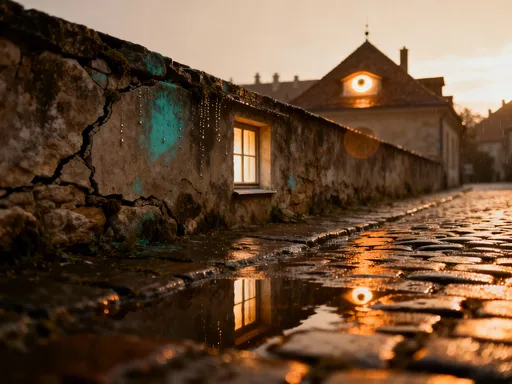
Novi Sad, nestled along the gentle curves of the Danube River in northern Serbia, moves to a rhythm that resists haste. There are no blaring horns, no frantic crowds pushing toward the next attraction. Instead, life unfolds at a pace that invites you to pause—to sit on a bench beneath a linden tree, to listen to the distant chime of church bells from the Catholic cathedral, to watch elderly men play chess near the riverbank as if time has granted them special permission to linger. This is the essence of slow travel, and Novi Sad embodies it naturally. The city’s compact center, where most shopping and daily life converge, is entirely walkable. Cobblestone lanes meander between pastel-colored Austro-Hungarian buildings, and the air carries the mingled scents of fresh bread, roasted coffee, and blooming linden flowers in early summer.
Slow travel is not merely about moving at a leisurely pace; it is about presence. It means allowing yourself to be drawn into a moment rather than rushing toward the next. In Novi Sad, this mindset transforms shopping from a transactional chore into a sensory and cultural journey. When you walk without an agenda, you begin to notice details: the way a vendor folds linen scarves with care, the hand-carved sign above a tiny bookstore, the quiet pride in a potter’s voice as she explains her firing technique. These are not performances for tourists—they are fragments of everyday life, unfolding just as they have for generations.
The city’s layout supports this kind of immersion. Unlike sprawling capitals where destinations are linked by metro lines and taxis, Novi Sad rewards those who explore on foot. The absence of overwhelming tourist infrastructure means you are more likely to encounter locals going about their routines—mothers with strollers, students sipping espresso after class, artisans setting up for the afternoon market. There is no need to “see everything” in a day. Instead, the invitation is to see one thing deeply. And when shopping becomes an act of attention rather than acquisition, it gains meaning far beyond the items you carry home.
Starting in Liberty Square: The Heartbeat of Local Commerce
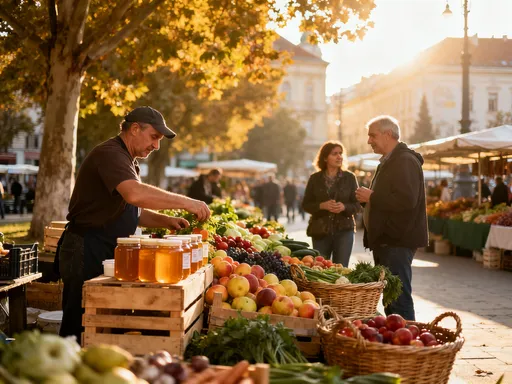
No visit to Novi Sad feels complete without time spent in Trg Slobode, or Liberty Square, the city’s vibrant and historic center. Each morning, as golden light spills over the rooftops of the Serbian National Theatre and gilds the façade of the Name of Mary Church, vendors begin to arrive with wooden crates and canvas sacks. By mid-morning, the square hums with activity. Stalls bloom like wildflowers across the open space, offering everything from just-picked strawberries to jars of wildflower honey harvested from the hills of Fruška Gora. This is not a market designed for tourists; it is a living marketplace where locals come to shop, chat, and start their day.
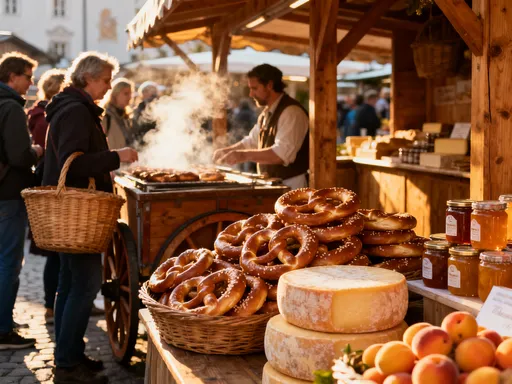
The seasonal farmers’ market is a feast for the senses. Baskets overflow with deep purple plums, golden apricots, and tomatoes still warm from the sun. Nearby, an elderly woman arranges wheels of artisanal cheese wrapped in cloth, while a man in a straw hat offers samples of homemade rakija made from quince. The air is rich with the scent of roasted walnuts and warm burek fresh from a nearby bakery stall. Children dart between stands, clutching paper cones of candied almonds, while their grandparents haggle gently in Serbian, their voices rising and falling like a familiar melody.
What makes this experience so powerful is the human connection. Vendors do not simply hand over goods in exchange for cash; they offer stories. A farmer from the village of Sremski Karlovci explains how his family has grown organic apples for over fifty years. A beekeeper from the outskirts of the city describes the wild thyme and linden blossoms that give her honey its unique flavor. These conversations, brief as they may be, transform a simple purchase into a moment of shared understanding. You are not just buying honey—you are taking home a taste of the land, a memory of the person who tended the hives, and a story worth retelling.
Hidden Courtyards and Urban Boutiques
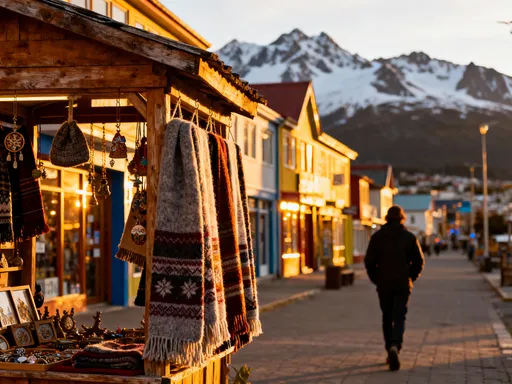
Away from the bustle of Liberty Square, Novi Sad reveals another layer of shopping delight: its network of intimate streets and hidden courtyards where small, independent boutiques thrive. Zmaj Jovina Street, often called the city’s cultural spine, is lined with bookshops, art galleries, and ateliers where local designers showcase their work. A few steps down Dunavska Street, you might stumble upon a tiny shop with a hand-painted sign that reads “Handmade Wool & Tradition.” Inside, shelves are lined with soft, hand-knitted shawls in earthy tones—deep browns, forest greens, and warm rusts—each one bearing the subtle imperfections that mark it as truly handmade.
These urban boutiques are not boutiques in the commercial sense. They are extensions of the artisans’ lives and values. Many are run by women who learned their craft from mothers and grandmothers, preserving techniques that might otherwise fade. One such shop, tucked behind an unassuming doorway on Gospodarska Street, specializes in hand-painted ceramics. The owner, a retired art teacher, spends her mornings in a small studio at the back, painting delicate floral patterns inspired by traditional Vojvodina folk designs. Each plate, mug, and bowl is fired in a kiln no larger than a wardrobe, and every piece carries the warmth of human touch.
What sets these goods apart is their origin. A woolen hat may come from sheep raised in the high pastures of Fruška Gora, sheared in spring and spun by hand. A jar of natural skincare balm might contain calendula grown in a community garden and infused in sunflower oil by a women’s cooperative near the Danube. These are not abstract supply chains; they are visible, traceable, rooted in place. When you buy such an item, you are not just supporting a business—you are sustaining a tradition, honoring a craft, and connecting with a region’s ecological and cultural heritage.
The Art of Craft Markets and Seasonal Fairs
While everyday shopping in Novi Sad offers quiet charm, the city truly comes alive during its seasonal craft markets and fairs. These events transform public spaces into immersive experiences where shopping, music, and community converge. The most beloved of these is the annual Christmas Market held in December, when Liberty Square becomes a winter wonderland of wooden huts, twinkling lights, and the rich aroma of mulled wine and roasted chestnuts. Families gather around fire pits, children ride carousels draped in snow, and carolers in traditional costumes sing folk songs that echo across the square.
But the spirit of the craft market is not confined to winter. During the summer months, the Štrand Beach area hosts the Štrand Summer Fair, a lively gathering of artisans, food vendors, and musicians. Here, under striped awnings and shaded by tall poplars, you can find handcrafted leather bags, embroidered table linens, and blown-glass ornaments that catch the sunlight like jewels. Local musicians play accordion and violin, their melodies drifting over the Danube as people sip cold beer and sample grilled fish from the river.
What makes these fairs special is not just the quality of the goods, but the atmosphere they create. There is no pressure to buy quickly or move on. Instead, visitors are encouraged to linger—to sip a warm glass of rakija, to watch a potter demonstrate her wheel-throwing technique, to chat with a woodcarver about the symbolism in his folk-inspired carvings. These markets are not retail spaces; they are social spaces, where commerce is woven into the fabric of celebration. They remind us that shopping, at its best, is not a solitary act but a shared experience—one that strengthens community and deepens our sense of belonging.
Beyond Souvenirs: Collecting Memories Through Objects
In a world of mass production, it is easy to treat souvenirs as disposable tokens—cheap magnets, generic t-shirts, plastic trinkets that gather dust on a shelf. But in Novi Sad, shopping offers a different possibility: the chance to collect not things, but memories. Every meaningful purchase becomes a vessel for a moment, a conversation, a feeling. A hand-thrown ceramic mug from a studio visit carries the memory of watching clay spin into form. A vintage Serbian poetry book found in a secondhand shop on Kralja Petra I Street holds the quiet thrill of discovery, the scent of old paper, and the curiosity of words you cannot yet read but feel drawn to.
These objects are not merely decorative; they are relational. They connect you to the person who made them, the place they came from, and the moment you chose them. Unlike factory-made souvenirs that all look the same, handmade items bear the marks of individuality—the slight wobble of a hand-painted line, the variation in wool texture, the unique grain of a wooden spoon. These imperfections are not flaws; they are signatures of authenticity. They tell you that a real person, with hands and heart, shaped this object just for you.
Shifting your mindset from shopping as consumption to shopping as collecting stories can transform your entire travel experience. Instead of asking “What should I buy?” you begin to ask “What moved me? What do I want to remember?” The answer might be a jar of honey from the beekeeper who smiled as she told you about her hives. It might be a linen napkin embroidered with a folk motif that reminded you of your grandmother’s tablecloth. These are not souvenirs in the traditional sense—they are heirlooms in the making, quiet treasures that grow more meaningful with time.
Practical Tips for a Mindful Shopping Journey
To fully embrace the slow shopping experience in Novi Sad, a few practical considerations can make a big difference. First, plan your market visits for weekday mornings, particularly Tuesday through Thursday. This is when the farmers’ market at Liberty Square is at its most authentic, with fewer tourists and more locals stocking up for the week. Arrive between 9:00 and 11:00 a.m. to catch the freshest produce and the most relaxed atmosphere. If you prefer craft fairs, weekends are ideal, especially during seasonal events like the Christmas Market or the summer festivals along the Danube.
Cash remains essential in many small shops and market stalls, so carry enough dinar in smaller bills. While some vendors accept cards, especially in established boutiques, cash is still the preferred method for smaller transactions. Keep your money in a secure crossbody bag, and consider bringing a small cloth tote for your purchases—many local artisans do not use plastic bags, aligning with the city’s growing emphasis on sustainability.
Equally important is the rhythm of your day. Pair your shopping with moments of rest. After browsing the stalls, settle into a café like Štrand Cafe or Dva Jelena, order a strong Serbian coffee, and watch the world go by. Take a short walk along the Danube Promenade, where benches invite you to pause and reflect. These breaks are not distractions; they are part of the experience, allowing you to absorb what you’ve seen and prepare for what’s next.
When engaging with artisans and small business owners, approach with respect and curiosity. A simple “Hvala” (thank you) goes a long way. Ask questions if language allows—about materials, techniques, or the story behind a product. Most are happy to share, not because they are selling, but because they are proud of their work. Avoid treating these interactions as photo opportunities; instead, be present. A genuine connection, even a brief one, enriches both parties and honors the spirit of slow travel.
Why This Kind of Travel Stays With You
In the end, what lingers long after you leave Novi Sad is not the list of things you bought, but the feeling of having been truly present. Slow shopping—mindful, intentional, rooted in human connection—offers a deeper form of travel satisfaction. It allows you to experience a place not as a spectator, but as a participant. You are not merely observing culture; you are touching it, tasting it, carrying a piece of it home with you.
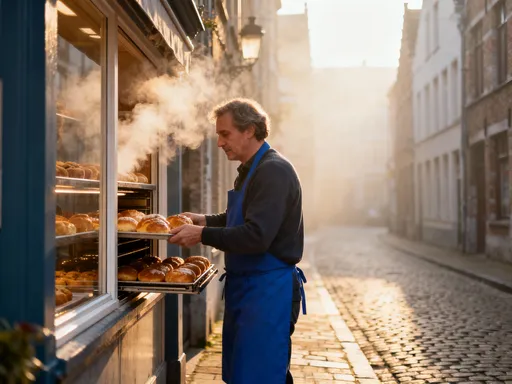
Novi Sad does not perform authenticity for visitors. There are no staged folk dances in tourist traps, no overpriced “local experiences” designed for Instagram. Instead, authenticity unfolds naturally—in the way a baker greets regulars by name, in the pride of a craftswoman who signs her pottery with a tiny symbol, in the unhurried pace of a city that values presence over productivity. This is what makes slow shopping so powerful: it aligns with the city’s true rhythm, allowing you to step into its life rather than merely pass through it.
As you walk away from a market stall with a handwoven basket or a jar of golden honey, you are not just carrying a souvenir. You are carrying a story, a connection, a moment of shared humanity. And when you return home, place that object on your shelf or table, it will not be a reminder of a place you visited—but of a way of being you discovered. In a world that moves too fast, Novi Sad offers a quiet invitation: to slow down, to look closer, to let a city reveal itself not in grand gestures, but in the small, beautiful details of everyday life. Answer that invitation, and you may find, as I did, that the simplest purchases become the most meaningful souvenirs of all.