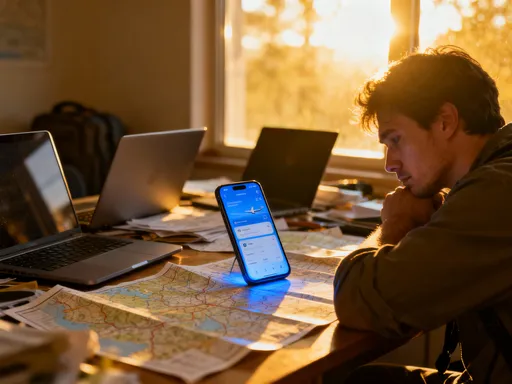
Why are you still wasting vacation time on planning when apps can do it in minutes?
Imagine this: you’ve finally carved out precious days for a getaway, but instead of dreaming about sunsets or city strolls, you’re stuck juggling flights, hotels, and itineraries. Hours slip away in tabs and spreadsheets. What if you could reclaim that time? With the right travel planning app, you’re not just organizing a trip—you’re giving yourself the real gift: more moments that matter. That extra hour sipping coffee with your daughter before the airport, the quiet morning walk you didn’t think you’d have, the laughter over dinner without worrying about the next reservation—those are the memories that last. And yes, the tech in your pocket can actually help you get there.
The Hidden Cost of Manual Travel Planning
Let’s be honest—how many of us have spent more time planning a trip than actually enjoying it? We’ve all been there: sticky notes covering the fridge, browser tabs multiplying like rabbits, and a spreadsheet that starts simple but ends up looking like a maze no one can follow. You sit down after the kids are in bed, determined to ‘just finalize the hotel,’ and suddenly it’s 1 a.m., and you’re comparing room views in a city you’ve never visited. Sound familiar?
This isn’t just about being busy. It’s about how much of your mental energy gets drained before the trip even begins. The constant back-and-forth, the fear of missing out on a better flight deal, the stress of coordinating pick-up times with rental cars—it all adds up. And the worst part? By the time you leave, you’re already exhausted. One mom I know—let’s call her Lisa—spent 12 hours planning a three-day weekend getaway. She mapped every meal, every museum stop, every nap time. When they finally arrived, she collapsed on the hotel bed and admitted, 'I feel like I already took the vacation… and I didn’t even enjoy it.'
That’s the hidden cost of manual planning: it steals your joy before you’ve even packed your suitcase. It turns something exciting into a chore. And the irony is, we do this to ourselves thinking we’re being responsible, thorough, organized. But in reality, we’re sacrificing our peace of mind for the illusion of control. The truth is, you don’t need to do it all alone. You don’t need to be a travel project manager to have a beautiful trip. There’s a better way—and it starts with letting go of the old methods that no longer serve you.
How Travel Apps Turn Chaos into Calm
Now picture this: instead of chaos, you open one app and see everything—flights, hotels, car rentals, dinner reservations—all in one clean, easy-to-read timeline. No more frantic Googling at 6 a.m. to confirm your shuttle time. No more calling the hotel because you lost the confirmation email. Everything is right there, automatically updated, and accessible from your phone, tablet, or laptop. That’s what a good travel planning app does. It’s like having a calm, organized friend who’s always one step ahead.
These apps work quietly in the background, syncing your calendar, sending gentle reminders, and even suggesting nearby restaurants based on your arrival time. For example, imagine you’re a solo traveler heading to Lisbon for a week. You book your flight, and the app automatically adds it to your itinerary. Then you pick a hotel, and it plots the walking route from the airport. You search for a cooking class, and it checks your schedule to make sure there’s enough time to get there. No more guesswork. No more stress.
The real magic is in how it reduces your mental load. You’re not constantly asking yourself, 'What’s next?' or 'Did I forget something?' That nagging voice in your head finally quiets down. And when you’re not juggling logistics, you’re free to actually enjoy the excitement of traveling. You can focus on the little things—like how the light hits the cobblestone streets in the morning, or the smell of fresh pastries from a corner bakery. That’s what travel should feel like: joyful, curious, present. And with the right tool, it can be.
Smart Itineraries That Fit Your Life
Here’s the thing—not every traveler wants the same experience. Some people love a jam-packed schedule, ticking off every museum and landmark. Others, like me, would rather spend an afternoon in a quiet park with a book and a thermos of tea. The beauty of modern travel apps is that they don’t force you into one mold. They adapt to you.
Think about it: if you’re traveling with young kids, your day looks very different from a solo backpacker’s. You need time for naps, snack breaks, and spontaneous playground stops. A good app understands that. It lets you build in buffers between activities, so you’re not rushing from point A to point B like you’re in a race. You can drag and drop events, adjust times with a tap, and even set reminders for diaper changes or bedtime routines. It’s not about filling every minute—it’s about making the minutes count.
And for those who love to wander? Some apps now offer 'flexible day' modes, where you choose a few must-see spots, and the rest is left open. The app still tracks your location and suggests nearby cafes, galleries, or walking paths based on your interests. It’s like having a local friend whispering, 'Hey, this little bookstore around the corner is amazing—want to check it out?' You keep the structure you need without losing the freedom to explore.
The best part? These itineraries learn from you. If you consistently skip morning activities, the app might start suggesting later starts. If you always choose vegetarian restaurants, it’ll highlight plant-based options. It’s not rigid. It’s responsive. And that makes all the difference when you’re trying to create a trip that truly feels like yours.
Time Saved Is Time Gained—for Yourself and Your Loved Ones
Let’s talk about what really matters: time with the people you love. Because at the end of the day, that’s why we travel, isn’t it? Not just to see new places, but to connect, to laugh, to make memories together. And when you’re not buried in logistics, you’re more present. You’re not distracted by your phone, double-checking check-in times. You’re actually *there*.
I remember talking to a woman named Sarah who used a travel app for the first time on a family trip to the coast. She was a working mom, used to being 'on' all the time. But this time, she said something that stuck with me: 'For the first time in years, I felt like I was really vacationing with my kids—not just managing them.' The app handled the bookings, sent reminders, and even alerted her when the beachside restaurant she’d reserved had a delay. Because of that, she gained back about two hours a day. Two hours she spent building sandcastles, reading stories under an umbrella, or just sitting quietly watching her kids splash in the waves.
That’s the real gift of these tools—not just efficiency, but presence. When you’re not mentally overloaded, you’re more open to spontaneous moments. You say yes to the ice cream truck even though it wasn’t on the schedule. You linger at a farmer’s market because the flowers are beautiful. You take a wrong turn and end up discovering a hidden garden. Those unplanned moments? They’re often the ones you remember most.
And for women who carry so much of the mental load at home, this shift is powerful. You’re not just saving time—you’re reclaiming energy. You’re giving yourself permission to rest, to enjoy, to breathe. And that makes the whole trip better for everyone.
Syncing Across Devices and People
Travel is rarely a solo act. Whether you’re going with your partner, your kids, or a group of friends, everyone needs to be on the same page—literally. And that’s where real-time syncing makes all the difference. No more shouting across the hotel room, 'Did you get the museum ticket confirmation?' No more frantic texting, 'What time is dinner again?'
A good travel app lets you share your itinerary with just a tap. Your partner can see flight details on their phone. Your teenager can check what time the boat tour leaves. Grandma can pull up the restaurant address on her tablet. And if anything changes—a flight delay, a rescheduled tour—everyone gets updated instantly. No more playing phone tag. No more confusion.
I remember a family I read about who used a shared travel app during a multi-generational trip to Italy. Three generations, seven people, six different schedules. But because they all had access to the same plan, they could coordinate without stress. The teens could plan their scooter rental around the family lunch. The grandparents could rest in the afternoon while others explored. And when the youngest got sick and they had to cancel a day trip, updating the plan took seconds—and everyone knew right away.
That kind of peace of mind is priceless. It’s not just about convenience; it’s about connection. When logistics aren’t a source of tension, relationships get to breathe. You’re not snapping at each other over missed appointments. You’re not resentful because one person is doing all the planning. Instead, you’re all in it together, relaxed and ready to enjoy the moment.
Learning as You Go: Apps That Get Smarter with You
One of the most surprising things about the best travel apps? They don’t just help you plan one trip—they help you become a better traveler over time. How? Through quiet, behind-the-scenes learning. The more you use them, the more they understand your preferences.
Did you always choose hotels with free breakfast? It remembers. Do you prefer morning flights over red-eyes? It notes that. Are you always searching for pet-friendly accommodations? It starts highlighting them automatically. This isn’t magic—it’s machine learning working gently to serve you better. And the result is a travel experience that feels more personal every time.
Think of it like a favorite notebook that fills itself. You don’t have to re-enter your preferences for every trip. The app already knows you like quiet rooms away from elevators. It remembers your frequent flyer number. It suggests destinations based on places you’ve loved before. Over time, planning gets faster, easier, more intuitive.
And here’s the deeper benefit: it supports your growth. Maybe last year you were all about big cities and museums. This year, you’re craving nature and slow travel. The app adapts. It suggests hiking trails, cabin stays, and wellness retreats. It reflects who you are *now*, not who you were years ago. That’s what makes it more than a tool—it becomes a companion on your journey, helping you evolve in how you experience the world.
Making Every Trip a Step Toward a More Balanced Life
When we talk about travel apps, we’re not just talking about convenience. We’re talking about something bigger: how small shifts in our daily tools can lead to real changes in our quality of life. Every minute saved on planning is a minute you can spend reading to your child, calling a friend, or just sitting quietly with your thoughts. Every decision made easier is one less weight on your shoulders.
And over time, that adds up. You start to feel more in control, not because you’re doing more, but because you’re doing less—of the things that drain you. You’re freeing up mental space for what truly matters: connection, rest, joy, discovery. That’s the quiet power of technology when it’s designed with real life in mind.
So the next time you’re dreaming of a getaway, don’t let the planning scare you off. You don’t have to choose between a well-organized trip and a peaceful mind. You can have both. Let the app handle the details. You focus on the feeling of the sun on your face, the sound of your loved ones laughing, the simple pleasure of being somewhere new.
Because in the end, the best vacations aren’t the ones with the most checkmarks on an itinerary. They’re the ones where you feel truly present, truly free. And with a little help from the right tool, that kind of trip is closer than you think.