You Won’t Believe What I Found Shopping in Ushuaia
Nestled at the southern edge of the world, Ushuaia isn’t just about glaciers and adventure—it’s a shopping gem hiding in plain sight. I went expecting only outdoor gear and souvenirs, but stumbled upon handcrafted treasures, local flavors, and stores with stories behind every product. From cozy woolens warmed by Patagonian winds to artisanal goods made by locals who’ve lived here for generations, the experience was richer than I ever imagined. This small city, often seen as a gateway to Antarctica or a base for trekking expeditions, reveals another side when you wander its streets with curiosity. It is a place where every purchase carries meaning, every shopkeeper shares pride in their craft, and every item reflects the quiet resilience of life at the end of the Earth.
First Impressions: Stepping into Ushuaia’s Unique Vibe
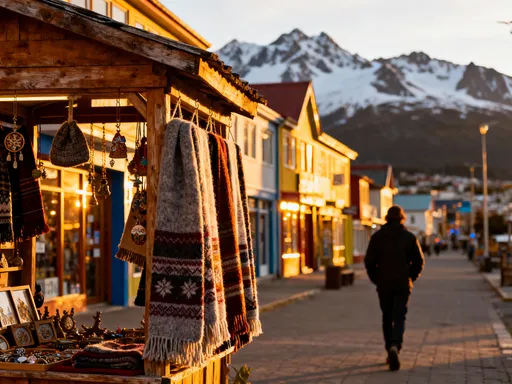
Arriving in Ushuaia feels like stepping into a postcard framed by jagged peaks and the silvery shimmer of the Beagle Channel. The air is crisp, carrying a clean, alpine freshness that wakes the senses. Colorful wooden buildings cling to the hillsides, painted in warm reds, yellows, and blues, standing in bold contrast against the cool gray skies and snow-dusted mountains. It’s a town that seems both remote and alive, where nature dominates the landscape but human warmth pulses through its streets. As the southernmost city in the world, Ushuaia has long been known as a launch point for Antarctic expeditions and a haven for hikers and wildlife lovers. Few travelers, however, arrive with shopping in mind.
My own expectations were modest—perhaps a few postcards, a windproof hat, or a locally branded jacket to commemorate the trip. I imagined rows of tourist shops selling mass-produced trinkets, the kind found in adventure destinations around the globe. But within minutes of stepping off the bus and walking toward the city center, I sensed something different. There was no chain retail presence, no neon signs, no plastic souvenirs glowing under fluorescent lights. Instead, shop windows displayed hand-knit garments, polished wooden carvings, and shelves lined with jars of golden honey and dark, rich chocolates. The rhythm of commerce here felt slower, more intentional.
What unfolded over the next few days was not a shopping spree, but a quiet discovery. Ushuaia does not shout its retail charms; it reveals them gradually, like layers of a story unfolding with each conversation, each doorway crossed. Shopkeepers greeted visitors with genuine interest, not just sales pitches. Many spoke of their families’ ties to the region, of traditions passed down through decades in a place where survival has always required creativity and resilience. This personal connection transformed shopping from a transaction into an experience—one rooted in place, in people, and in the unique spirit of a community shaped by isolation and natural beauty.
Why Ushuaia’s Shopping Stands Out
What makes shopping in Ushuaia so distinct is not the variety of goods, but their authenticity. Unlike tourist hubs where imported souvenirs dominate, Ushuaia’s retail culture is built on local production. The city’s geographic remoteness means that importing goods is costly and logistically complex. As a result, locally made items are not just preferred—they are essential. This necessity has given rise to a vibrant community of artisans, farmers, and small business owners who turn regional resources into beautiful, functional products.
Every item found in Ushuaia’s shops reflects the environment and culture of Patagonia. The wool used in sweaters and scarves comes from sheep and guanacos, animals well-adapted to the harsh southern climate. Wooden crafts are carved from native lenga and coihue trees, woods known for their strength and grain. Even the food products—cheeses, preserves, and spirits—draw flavor from the region’s clean air, pure water, and short but intense growing season. This deep connection between product and place gives Ushuaia’s shopping experience a coherence and integrity that is rare in the modern travel world.
Moreover, the emphasis is on craftsmanship, not convenience. Many goods are made by hand, often in small workshops or family kitchens. This means no two items are exactly alike. A knitted beanie may have subtle variations in stitch pattern; a jar of honey might carry the unique floral notes of a particular valley. These imperfections are not flaws—they are signatures of authenticity. In a world increasingly dominated by mass production, Ushuaia offers a refreshing alternative: shopping that feels personal, sustainable, and deeply human.
Supporting these local makers is not just a pleasant choice—it’s a meaningful one. Each purchase helps sustain livelihoods in a region where economic opportunities are limited. It also preserves cultural traditions that might otherwise fade in the face of globalization. Whether it’s a Mapuche-inspired textile design or a wooden box carved in the style of early settler craftsmanship, these items carry stories worth keeping alive.
Main Street Gems: Avenida San Martín’s Hidden Charms
The heart of Ushuaia’s shopping scene beats along Avenida San Martín, the city’s main thoroughfare. This pedestrian-friendly street, lined with low-rise buildings and dotted with cafés and galleries, offers a relaxed pace perfect for browsing. Unlike the crowded commercial strips of larger cities, San Martín feels intimate and inviting. Storefronts are modest in size but rich in character, each one curated with care.
Walking down the avenue, the senses come alive. The scent of leather drifts from a small workshop where a craftsman shapes belts and gloves using traditional tools. Nearby, a boutique displays rows of hand-knit garments in earthy tones—deep greens, warm browns, and soft creams—each piece labeled with the name of the knitter and the community they live in. In another shop, glass cases hold silver jewelry inspired by indigenous motifs, with pendants shaped like condors, mountains, and ancient symbols.
One of the most memorable experiences was watching a woodcarver at work in an open-front studio. Using simple chisels and sandpaper, he shaped a small figurine of a Magellanic woodpecker from a piece of lenga wood. When I asked how long it took, he smiled and said, “The hands know the way. The time doesn’t matter.” That moment captured the spirit of Ushuaia’s retail culture: patient, skilled, and deeply connected to the natural world. Many shops encourage this kind of interaction, inviting visitors not just to buy, but to observe, ask questions, and connect.
What stands out on Avenida San Martín is the absence of pressure. There are no loud sales tactics, no pushy staff. Instead, shopkeepers often share stories—about the origins of a wool blend, the history of a craft technique, or the challenges of running a small business in such a remote location. These conversations transform shopping from a passive act into a learning experience, one that deepens appreciation for what is being purchased.
Must-Visit Artisan Markets: Where Culture Meets Commerce
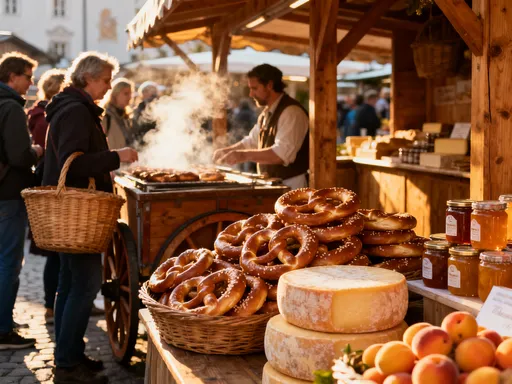
While storefronts offer charm, Ushuaia’s artisan markets provide the fullest expression of its creative spirit. The most well-known is the Municipal Craft Fair, held in a covered pavilion near the city center. Open year-round but especially lively in summer, the market brings together dozens of vendors from Ushuaia and surrounding rural areas. Each stall is a window into a different craft tradition, from textile weaving to leatherwork to culinary arts.
One of the most striking aspects of the market is the diversity of cultural influences. Many vendors are of Yámana or Selk’nam descent, or carry Mapuche heritage, and their work reflects centuries-old design principles. Textiles feature geometric patterns that once conveyed tribal identity; silverwork includes symbols representing the sun, water, and animal spirits. These are not tourist gimmicks—they are living traditions, adapted for contemporary life but rooted in deep history.
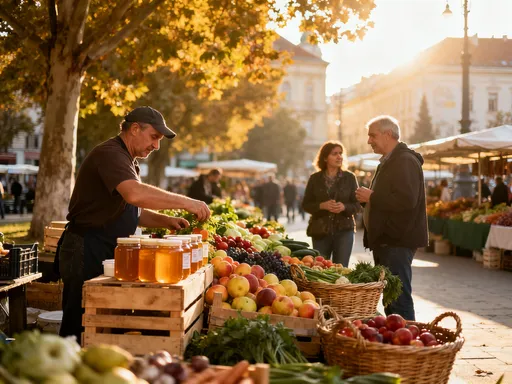
The market is also a feast for the senses. The air carries the smoky aroma of grilled lamb from nearby food stands, where visitors can sample local dishes like reineta fish or cordero al palo (lamb roasted on a spit). Occasionally, a musician plays a traditional wind instrument, adding a melodic layer to the buzz of conversation. Children run between stalls, clutching bags of handmade cookies, while elders sit on benches, knitting or mending gloves.
What makes the Municipal Craft Fair special is its authenticity. Unlike pop-up markets that cater solely to cruise ship passengers, this one serves both tourists and locals. Prices are fair, bargaining is not expected, and the emphasis is on quality and storytelling. Many vendors display photos of their families, their workshops, or the landscapes that inspire their work. Buying a handwoven shawl here isn’t just about acquiring a souvenir—it’s about supporting a grandmother who learned to weave from her mother, or a young artist preserving a vanishing craft.
Seasonal markets near the port and in residential neighborhoods offer similar experiences, often with a more intimate feel. Some operate only on weekends or during festivals, creating a sense of occasion. These smaller gatherings allow for deeper conversations and a chance to see work in progress—whether it’s a potter shaping clay or a chocolatier tempering dark chocolate infused with native berries.
Local Flavors: Shopping for Taste
For many visitors, the most memorable souvenirs from Ushuaia are edible. The region’s cool climate, clean air, and rich soil create ideal conditions for unique agricultural products. Shopping for food here is not about convenience—it’s about discovery. Specialty stores and gourmet boutiques offer a curated selection of regional delicacies, many of which cannot be found elsewhere.
One standout is Patagonian sheep’s milk cheese. Made in small dairies on the outskirts of the city, these cheeses range from soft and creamy to firm and aged, with flavor notes shaped by the wild herbs the animals graze on. Many shops allow visitors to sample before buying, pairing slices with local quince paste or wild berry jam. Another prized product is fireweed honey, a golden, floral honey produced by bees that feed on the nectar of fireweed plants blooming in alpine meadows. Its delicate sweetness carries a hint of spice, unlike any commercial honey.
Chocolate lovers will find plenty to savor. Ushuaia’s chocolatiers use high-quality imported cocoa but infuse it with local flavors—dried calafate berries, lenga smoked salt, or a touch of Antarctic thyme. Some shops even offer tastings, guiding customers through a flight of chocolates with varying cacao percentages and fillings. These treats make ideal gifts, not just for their taste, but for their connection to place.
Other edible treasures include artisanal preserves made from native fruits like murta and arrayán, small-batch jams that capture the brief Patagonian summer. There are also bottles of lenga-smoked spirits and non-alcoholic herbal infusions made from mountain herbs. What ties all these products together is their emphasis on purity and seasonality. They are made in small batches, without artificial additives, and often labeled with the producer’s name and location.
Shopping for local flavors is also an act of cultural preservation. Many of these food traditions are passed down through families, and purchasing them helps keep small-scale production viable. It also encourages sustainable agriculture in a fragile ecosystem. When you buy a jar of honey or a wedge of cheese, you’re not just treating your palate—you’re supporting a way of life that values quality, tradition, and environmental stewardship.
Smart Shopping Tips: How to Navigate Ushuaia Like a Pro
To make the most of shopping in Ushuaia, a few practical tips can enhance the experience. First, timing matters. The city sees its peak tourism season from November to March, when cruise ships arrive regularly and the weather is mildest. During these months, shops and markets are fully stocked and bustling, but also more crowded. For a quieter experience, consider visiting in the shoulder seasons—October or April—when local life moves at its natural pace.
Another key consideration is payment. While most established stores accept credit cards, smaller vendors, especially in markets, often prefer cash. It’s wise to carry Argentine pesos, as foreign cards may not work at all points of sale. ATMs are available in the city center, but it’s best to withdraw early in the day to avoid running out of cash. U.S. dollars are sometimes accepted, but change is usually given in pesos, and the exchange rate may not be favorable.
Bargaining is not customary in Ushuaia. Prices are generally fair, reflecting the true cost of handmade production in a remote region. Haggling may even be seen as disrespectful, given the time and effort that go into crafting each item. Instead of negotiating, show appreciation by asking questions, complimenting the work, and taking time to understand the story behind the product.
When shopping, look for signs of authenticity. Genuine handmade wool items will have slight irregularities in stitching and may be labeled with the artisan’s name. Wood carvings should feel solid, with natural grain and hand-finished surfaces. Avoid anything that looks mass-produced or has synthetic materials. If in doubt, ask the vendor about the making process—locals are usually proud to share details.
Finally, be mindful of seasonal variations. Some shops and markets operate on reduced hours or close entirely during the winter months, when tourism slows. Cruise ship days bring extra vendors to the port area, but also larger crowds. For a more authentic experience, explore on weekdays when locals are out and about, and consider visiting neighborhood shops away from the main tourist corridors.
Beyond Souvenirs: What Makes These Purchases Meaningful
As I packed my suitcase to leave Ushuaia, I looked at the items I had collected—a hand-knitted beanie, a small wooden pendant shaped like a southern cross, a jar of fireweed honey, and a bar of calafate chocolate. These were not extravagant purchases, but each one carried weight. They were not just mementos of a place, but connections to the people who made them, to the land that shaped their creation, and to a way of life that values patience, care, and authenticity.
Shopping in Ushuaia is not about consumption. It is about participation. Every purchase supports a family, sustains a tradition, and helps preserve a culture that thrives at the edge of the world. In a global economy where so much is mass-produced and disposable, Ushuaia offers an alternative: a model of commerce rooted in community, craftsmanship, and respect for nature.
These small objects now sit on a shelf in my home, not as decorations, but as reminders. They remind me of the woodcarver who spoke of time as irrelevant, of the knitter who smiled when I admired her stitches, of the vendor who offered a taste of honey with quiet pride. They remind me that travel is not just about seeing new places, but about connecting with the people who live there, and carrying a piece of their world forward.
So the next time you find yourself in Ushuaia, slow down. Step off the main path. Talk to the makers, touch the wool, taste the honey, listen to the stories. Let shopping become a journey in itself—one that leads not to more things, but to deeper understanding. Because what you’ll find in Ushuaia isn’t just what you can buy. It’s what you can take home in your heart.